Is there actually good nightlife in North Carolina’s capital?
You are likely searching for night clubs Raleigh because you are tired of wandering into empty bars or, worse, spending your night in a place that feels more like a suburban living room than an actual destination. If you want the definitive answer: skip the generic downtown spots and head straight for Glenwood South if you want high-energy dance floors, or look toward the Warehouse District if you prefer a more curated, craft-focused late-night environment.
Many people assume that because Raleigh is the hub of the Research Triangle, the nightlife is strictly for college students or buttoned-up professionals. This misunderstanding leads people to believe that the city lacks a genuine club culture. In reality, the scene here is fragmented, meaning you have to know exactly where the music matches your mood. If you approach the night without a plan, you will end up in a place that doesn’t fit your vibe.
Common myths about the local nightlife scene
Most articles discussing nightlife in this city get it completely wrong by treating every venue as if it provides the same experience. You will often see lists that group dive bars, jazz lounges, and high-volume dance clubs together as if they belong in the same category. This is misleading. A dive bar serving cheap pitchers of domestic beer serves a different purpose than a place with bottle service and a dedicated DJ booth. When you read generic listicles, they fail to account for the specific personality of each venue.
Another common mistake is the assumption that downtown Raleigh is a monolith. In reality, the area is split into distinct zones. Glenwood South is the epicenter of the typical high-energy club experience, while the areas surrounding Fayetteville Street offer a more polished, upscale atmosphere. If you walk into a place expecting a nightclub experience in a venue that is actually an early-evening cocktail bar, you are setting yourself up for a disappointing night. Understanding the distinction between these zones is essential before you head out.
How to evaluate a venue before you commit
Before you invest your time and energy into a night out, you should look for specific indicators of a quality venue. Start by checking the programming for the night. A real club has a commitment to sound and talent. If a venue cannot tell you who is on the decks or what the genre of the night is, it is likely just a bar that happens to have a small dance floor. You want places that put effort into their sound systems and lighting, as these elements define the transition from a bar to a club.
Another factor to consider is the crowd control and atmosphere management. If you are interested in exploring how these venues operate on a larger scale, you might find a guide to better nightlife strategies here. Quality establishments in Raleigh often have a clear door policy and a consistent vibe. When a venue is trying to be everything to everyone, it usually ends up being nothing to anyone. Look for places that specialize in a specific type of music or a specific type of drinking experience, as these are the ones that actually deliver on the promise of a great night out.
The different styles of clubs you will encounter
The variety of night clubs Raleigh offers can be broadly categorized into three types: the high-energy dance club, the upscale cocktail lounge, and the hybrid craft beer venue. The high-energy clubs are defined by heavy bass, professional lighting rigs, and a staff dedicated to moving volume. These are your standard ‘clubbing’ destinations where the experience is purely about the music and the dance floor. If you want to sweat, scream, and dance until the early hours, this is where you belong.
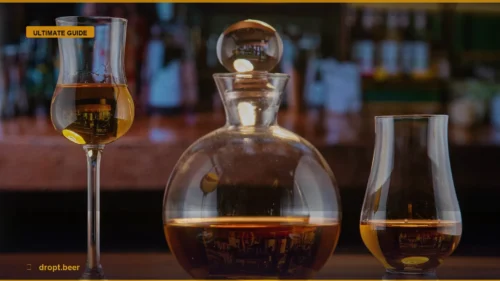
Upscale cocktail lounges, on the other hand, prioritize the craft of the drink. These places are for those who want the club atmosphere—loud music, stylish crowds—but with a higher standard of service and beverage quality. You will find higher-end spirits, better glassware, and a focus on presentation. These spots are often harder to get into on a Friday night, but they provide a more sophisticated environment for those who prefer quality over pure intensity.
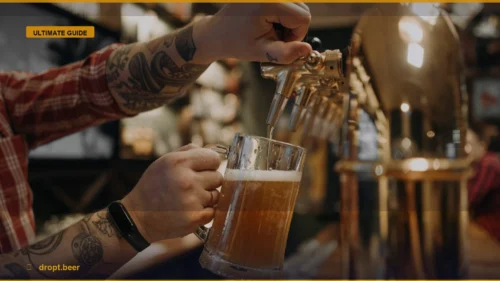
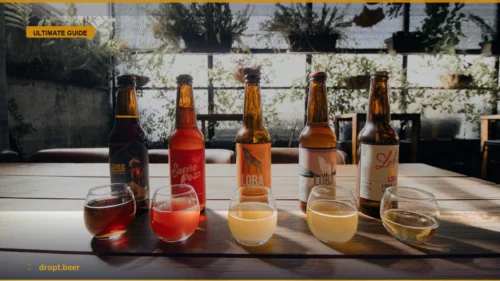
Finally, there is a unique category of hybrid craft beer venues that operate as clubs late at night. Given that this is a city that loves its local breweries, it is no surprise that some of the best nightlife happens in spaces that transition from taprooms during the day to high-energy social hubs at night. These venues often host live music or local DJs and offer a more relaxed, approachable environment than the traditional bottle-service clubs. If you are someone who values a good stout or IPA as much as a late-night beat, these are the hidden gems of the local scene.
The Verdict: Where to spend your night
After surveying the landscape, the verdict is clear. If you want the most reliable, high-octane experience, your winner is the Glenwood South corridor. It is the only place in the city where you can hop between multiple venues that are legitimately designed for late-night clubbing. For those who prioritize quality drinks and a slightly more discerning crowd, focus your efforts on the Warehouse District. If you want to support local craft culture while enjoying a club vibe, look for the hybrid brewery-clubs that bridge the gap between day and night.
Stop trying to find a one-size-fits-all solution for night clubs Raleigh. Instead, pick your priority: raw energy, refined atmosphere, or craft culture. By choosing a venue that aligns with your specific goal, you stop guessing and start having a better night out. The best experience is not found by accident, but by knowing exactly what you want from your evening and heading straight to the district that delivers it.