What Bartenders Actually Recommend During Happy Hour
If you’re looking for the inside scoop on what bartenders themselves order when happy hour rolls around, the answer is surprisingly straightforward: they’re often opting for drinks that are easy to make, require minimal fuss, and offer a good balance of quality and value. Forget complex cocktails with obscure ingredients; think well-made classics, reliable beers, and simple, spirit-forward options. Bartenders know the rhythm of the bar, the ebb and flow of service, and what they can enjoy without tying up their own precious time or breaking the bank.
This isn’t about what’s trendy or what requires the most skill to prepare. It’s about efficiency, enjoyment, and smart choices in a professional environment. When the pressure is on, or even when it’s not, a bartender’s personal happy hour order is a window into their practical preferences.
The Bartender’s Happy Hour Dilemma: Efficiency and Enjoyment
Bartenders spend their shifts crafting drinks for others, often with precision and flair. When their own shift ends, or during a rare lull, their priorities shift. The primary driver for their personal happy hour selection is efficiency. A drink that takes less than a minute to assemble allows them to sit down, relax, and actually enjoy their break, rather than waiting for a complicated order to be fulfilled.
Think about it: a gin and tonic, a vodka soda, or a simple whiskey neat. These drinks require only a few seconds to pour. The ingredients are readily available, and the execution is foolproof. This allows the bartender to engage in conversation, clear their head, or simply savor a moment of quiet before the next rush. It’s about getting maximum enjoyment with minimum disruption.
Beyond speed, there’s also the element of cost-effectiveness. While some bartenders might have access to premium spirits, many will still gravitate towards well-priced options during happy hour. They understand the value propositions of the bar they work at. If a particular beer is on special, or if a standard pour of a decent, unpretentious spirit is offered at a discount, that’s often the go-to. It’s not about being cheap; it’s about recognizing a good deal and enjoying a familiar, satisfying drink without overspending.
Common Bartender Recommendations and Why
When asked directly, bartenders will often point to a few categories of drinks that consistently make their personal happy hour list.
Classic, Simple Cocktails
These are the cornerstones of any well-run bar. Drinks like the Old Fashioned, Manhattan, Martini, Negroni, Gin & Tonic, and Vodka Soda are perennial favorites. Why? Because they are spirit-forward, require few ingredients, and are relatively quick to prepare. A bartender knows the right proportions and can execute them flawlessly, often with their eyes closed. They appreciate the balance and the nuanced flavors that these simple combinations offer, without the need for muddling, shaking, or elaborate garnishes.
For instance, a well-made Old Fashioned showcases the character of the whiskey. A perfectly balanced Martini highlights the quality of the gin or vodka and vermouth. These aren’t just drinks; they are tests of a bartender’s understanding of flavor and technique. When ordering for themselves, they often prefer to highlight a spirit or a classic combination that they know is done well at their establishment.
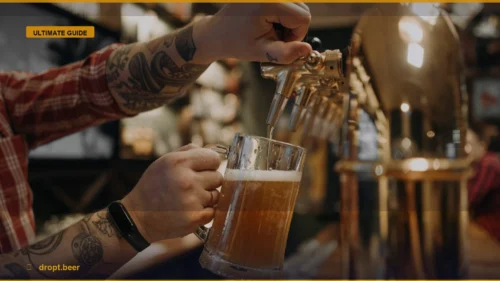
Draft Beer (Especially Local or Well-Priced Options)
Beer is often the most accessible and quickest option. Bartenders are frequently connoisseurs of beer, appreciating the craft and variety available. During happy hour, they’ll often lean towards beers that are on special, local brews they have a connection with, or reliable standards that are easy to pour. A crisp lager, a refreshing pale ale, or a robust stout can all be satisfying choices.
The ease of a draft pour is undeniable. It requires minimal interaction and provides immediate refreshment. Many bartenders have a deep knowledge of the beers on tap, not just for serving customers, but for their own enjoyment. They might choose a beer that complements their mood or one that they feel is particularly well-represented by the brewery’s current offering.
Wine by the Glass (The Reliable Pour)
For those who prefer wine, a simple glass of house red or white is a common choice. Bartenders typically have a good palate for wine and know which bottles are being poured by the glass. They’ll opt for something that is consistently good and easy to drink. It’s less about discovering a rare vintage and more about enjoying a pleasant, straightforward wine that pairs well with a casual setting.
The selection is often guided by what the bar offers as its house pour – usually a wine chosen for its broad appeal and consistent quality. It’s an easy, unintrusive choice that allows for conversation and relaxation.
Spirit Neat or on the Rocks
Sometimes, the most satisfying drink is simply the spirit itself. A shot of good whiskey, a pour of tequila, or a neat gin can be a perfect way for a bartender to unwind. They have the knowledge to appreciate the nuances of different spirits and often have favorites they enjoy purely. This is perhaps the most direct way to enjoy the flavor profile of a spirit without any dilution or alteration.
This choice also speaks to trust. A bartender ordering a spirit neat is often implicitly trusting in the quality of the spirit being served. It’s a direct endorsement of what’s in the bottle.
What Other Articles Get Wrong About Bartender Recommendations
Many articles on this topic fall into a trap of overcomplication or misinterpretation. They suggest that bartenders are always seeking out the most esoteric, challenging, or expensive drinks. This is largely untrue. The reality is far more practical.
Myth 1: Bartenders always order the most complex cocktails. In reality, while they appreciate complex drinks, their own happy hour order is usually the opposite. They’ve spent their shift making them; their downtime is for simplicity. They might order a well-made classic, but rarely something that requires extensive prep or multiple steps when they’re off duty or on break.
Myth 2: Bartenders only drink premium spirits. While many have refined palates, happy hour is often about value. They’ll enjoy a premium spirit, but they’re just as likely to choose a well-regarded house pour or a spirit that’s part of a happy hour special. They understand the economics of the bar.
Myth 3: Bartenders are constantly scouting for new trends. While staying current is part of the job, their personal relaxation time isn’t always about experimentation. They might opt for a familiar favorite that guarantees satisfaction over something novel that might miss the mark.
Myth 4: Bartenders don’t drink during their shifts. This is obviously false for happy hour recommendations. However, even during shifts, a quick, simple drink like a soda water with lime, or a small beer, can be a way to stay refreshed and grounded. Their choices are always mindful of their responsibilities.
Choosing Your Own Happy Hour Order
Understanding what bartenders recommend during happy hour can help you make smarter choices. If you’re in a new bar, especially one with a good reputation for its cocktails or craft beer selection, consider asking your bartender what they’d recommend for them on their break. You might be surprised by the straightforward answer.
Think about the environment. If it’s a busy spot, a quick, easy drink is often appreciated by the staff. If you’re at a place known for its specific spirit or beer selection, sample that. For example, if you’re checking out bars in a lively area like those near Wynyard, you might find a local brewery’s tap or a well-chosen house spirit is the perfect way to unwind. Exploring the local scene often means finding these accessible gems.
Ultimately, the best happy hour drink for you is one that you enjoy, fits your budget, and is prepared efficiently. Don’t feel pressured to order something complicated or expensive. The bartender’s recommendation is rooted in practicality and personal enjoyment, and that’s a philosophy anyone can adopt.
The Verdict: Practicality and Proven Enjoyment
The definitive answer to what bartenders actually recommend during happy hour is this: they recommend drinks that are quick, easy to make, and reliably satisfying. This often translates to well-executed classics like gin and tonics or Old Fashioneds, good draft beers, simple wines by the glass, or spirits served neat. It’s a choice driven by the desire for personal relaxation and efficiency, rather than a need to impress or experiment.
For the discerning drinker, this means embracing simplicity. Don’t overthink it. Ask for a house special, a classic, or a bartender’s personal go-to within these practical categories. You’ll likely get a great drink, support the bar’s efficient service, and potentially discover a new favorite that’s both delicious and sensible. For those interested in the business side of drinks, understanding these preferences can even inform marketing strategies. Effective beer marketing often hinges on understanding consumer behavior, and bartender preferences are a key indicator.