Thoughtful drinking isn’t about snobbery; it’s about intentionality. It means understanding what’s in your glass, appreciating the craft behind it, and making informed choices that elevate your experience. In a rapidly evolving beverage landscape, this guide helps you cut through the noise to find genuine quality, whether it’s a meticulously brewed IPA, a perfectly balanced cocktail, or a truly authentic bar.
I firmly believe we’re living in the most exciting—and often most confusing—time for drinkers. For decades, the mainstream dictated our choices, pushing mass-produced swill and sugary concoctions. But that era’s fading. What most people miss is that the true revolution isn’t just about more options; it’s about a fundamental shift in how we approach what we pour, mix, and sip. It’s about thoughtful drinking, a philosophy that prioritizes quality, provenance, and experience over mindless consumption.
In my years covering this industry, I’ve watched a wave of discerning drinkers emerge. They’re asking tougher questions, demanding transparency, and actively seeking out beverages that tell a story. This isn’t just a fleeting trend; it’s a cultural realignment. Consumers are increasingly willing to pay more for high-quality products, focusing on craftsmanship, flavor complexity, and brand story. A Bacardi survey in 2023 found that 41% of U.S. drinkers aged 21-44 planned to "seek more premium spirits" in 2024, a clear indicator of this enduring shift. That’s why now, more than ever, you need a guide to navigate this vibrant, sometimes overwhelming, world.
Beyond the Label: Demanding Authenticity in Every Drop
The first step toward thoughtful drinking is to look beyond the flashy marketing. Every bottle, every can, every pour has a story, a lineage. Knowing the difference between a spirit crafted with care and one rushed through production is crucial. Take the classic debate: Cognac versus whisky. They’re often lumped together, but they’re worlds apart in their production, raw materials, and flavor profiles. Understanding these distinctions helps you appreciate what you’re actually drinking. We break down exactly which spirit belongs in your glass, and why.
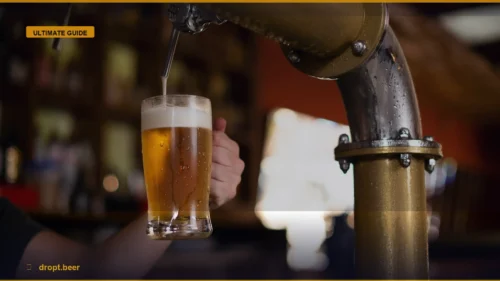
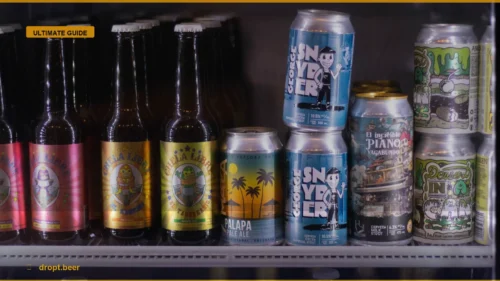
This isn’t just about spirits. It’s about beer, too. The global craft beer market, valued at USD 86 billion in 2024, is forecast to reach USD 169.17 billion by 2034, growing at a compound annual growth rate (CAGR) of 7% from 2025 to 2034. This growth is fueled by consumers seeking unique, authentic beer experiences, and smaller breweries focusing on taste and traditional methods. What most people miss is that "craft" isn’t just a buzzword; it’s a commitment to quality ingredients, innovative recipes, and often, a connection to local communities. The North American craft beer market alone was estimated at USD 38.08 billion in 2024 and is projected to grow to USD 136.85 billion by 2035.
The Right Spot: Identifying Quality Venues
You can have the best beverage in the world, but if the setting is wrong, the experience falters. Finding a truly great bar—one that respects the liquid as much as you do—is an art in itself. In my opinion, far too many establishments prioritize aesthetics or fleeting trends over substance. They’re tourist traps, plain and simple, designed to separate you from your cash with subpar offerings.
Think about it: you wouldn’t settle for a mediocre meal, so why settle for a mediocre drink? This is particularly true in places renowned for tourism. If you’re chasing a genuine drinking experience in a place like Waikiki, you need to know how to avoid the tourist traps and find real drinks. It’s about spotting the venues that prioritize quality ingredients, skilled bartenders, and a curated selection.
The same goes for bustling metropolitan areas. New York City, for instance, has an overwhelming number of bars, but only a select few truly champion craft beer with a discerning eye. That’s why the only guide to craft beer bars in New York you actually need focuses on identifying those pro-level venues. The "theatre of the bar" is making a comeback, with consumers seeking immersive and experiential drinks, often incorporating heightened drama and flair in presentation. This trend is a clear indicator that the venue’s commitment to the overall experience is as important as the drinks themselves.
Mastering the Mix: Elevating Your Cocktails and Pairings
For those who enjoy a mixed drink, thoughtful drinking means understanding that a spirit is not just a base to be drowned. It’s an ingredient with its own character, demanding respect and intelligent pairing. I’ve seen too many good rums ruined by syrupy cola. You’re not tasting the rum then; you’re tasting sugar. That’s a waste of a good spirit and a missed opportunity for a truly enjoyable drink.
This is why you need to stop mixing rum with cola and learn how to actually pair your rum chasers. The right chaser or mixer should complement, not overpower, the spirit’s complexity. Similarly, white rum often gets a bad rap because it’s so frequently abused in overly sweet, unbalanced cocktails. But a quality white rum, handled correctly, sings. That’s why I’ll tell you to stop ruining white rum: the classic Daiquiri is the only mix you need to truly appreciate its nuances.
The craft cocktail scene is experiencing a dynamic shift, driven by consumer preferences for innovative flavors and mindful consumption. We’re seeing adventurous flavors, often with Asian influences like yuzu and matcha, becoming prevalent on menus. There’s also a strong movement towards minimalist cocktails, where fewer ingredients are used, and the focus shifts to technique and one or two key flavors, allowing the spirit to shine.
The Economics of Excellence: Why Quality Pays Off
Some argue that thoughtful drinking is an expensive hobby. I disagree. It’s an investment. An investment in better taste, better experiences, and often, better health. When you choose quality over quantity, you’re not just buying a drink; you’re buying into a philosophy of craftsmanship and a commitment to genuine flavor.
The global premium spirits market was valued at USD 253.77 billion in 2025 and is projected to reach USD 546.67 billion by 2033, growing at a CAGR of 10.3% from 2026 to 2033. This growth isn’t accidental; it’s a direct response to consumer demand. People are drinking less frequently, but when they do, they want their drink to be an experience. This "less but better" movement aligns with broader shifts in consumer behavior across beverages. This also extends to sustainability, with over 39% of premium brands transitioning to eco-responsible packaging, reflecting a 44% rise in consumer preference for environmentally friendly options.
What’s more, younger generations are leading this charge. A report from Curren Goodden Associates (CGA) indicates that 54% of 18-34-year-olds are likely to choose a premium drink, compared to just 35% of those over 55. This demographic is actively seeking out unique and artisanal varieties, and they’re willing to pay more for brands that share their ideals and expectations for "better."
Your Palate, Your Guide: Developing a Discerning Taste
Ultimately, thoughtful drinking is a personal journey. It’s about educating your palate, trusting your instincts, and continually exploring. Don’t let anyone tell you what you "should" like. Experiment. Try new things. But do so with an open mind and a critical eye.
Here’s what matters: Pay attention. Really taste what’s in your glass. What are the aromas? How does it feel in your mouth? What’s the finish like? Keep a mental note, or even a physical one. Compare and contrast. Visit local breweries and distilleries; talk to the people who make these incredible beverages. Ask questions. The more you engage, the more refined your palate becomes, and the more satisfying your drinking experiences will be.
The rise of low- and no-alcohol options is another facet of this mindful consumption trend, with bars increasingly offering sophisticated alternatives that provide a full sensory experience without the buzz. This isn’t about abstinence; it’s about choice and savoring every sip, aligning with the growing segment of the population that prioritizes health and well-being.
Frequently Asked Questions
What does "thoughtful drinking" actually mean?
Thoughtful drinking is about being intentional and discerning with your beverage choices. It means prioritizing quality, craftsmanship, and the overall experience over simply consuming alcohol. This involves understanding the origins of your drink, appreciating its flavors, and choosing venues that share a similar commitment to excellence, rather than just chasing a buzz. It’s an active engagement with what’s in your glass.
How can I identify a quality craft beer or premium spirit?
Look for transparency from the producer regarding ingredients, brewing/distilling methods, and aging processes. Research the brand’s reputation and read reviews from trusted sources. Often, smaller, independent producers focus more on quality and unique flavor profiles. Pay attention to the aroma, appearance, and taste complexity. A good indicator is a beverage that offers depth and character, rather than just a single overpowering note or excessive sweetness.
Are premium beverages always more expensive?
Not necessarily. While premium options often come with a higher price tag due to superior ingredients, craftsmanship, or aging, the value lies in the experience. Thoughtful drinking encourages "less but better" consumption, meaning you might drink less frequently but enjoy higher quality when you do. This can balance out the cost over time, offering more satisfaction per sip than cheaper, mass-produced alternatives. It’s about an investment in enjoyment, not just a purchase.
What are some current trends in thoughtful drinking?
Current trends include a strong focus on premiumization across spirits and craft beer, with consumers seeking unique flavors and authentic brand stories. Mindful consumption is also key, leading to a rise in sophisticated low- and no-alcohol options. There’s a growing demand for sustainability and transparency in production, from eco-friendly packaging to locally sourced ingredients. Additionally, experiential drinking, where the venue and presentation enhance the overall enjoyment, is gaining significant traction.