Finding the pulse of the city
You are standing on a rain-slicked street in Youngstorget, the sound of muffled bass vibrating through the soles of your boots, wondering which doorway leads to a legendary night and which leads to an overpriced, empty room. If you want the definitive answer for your evening, skip the tourist traps near Karl Johans gate and head straight to Jaeger. For the best night clubs oslo has to offer, Jaeger is the consistent, high-energy gold standard, offering a blend of world-class techno, a localized beer selection, and a crowd that actually wants to dance.
When we talk about the landscape of nightlife in the Norwegian capital, we are really talking about the tension between exclusivity and accessibility. Oslo is a city that functions on a social hierarchy often dictated by the queue outside. You are looking for a place that respects your time, serves decent drinks, and provides an atmosphere that isn’t just a collection of people staring at their phones. Understanding the local scene requires knowing exactly which venues cater to your specific vibe, whether you are seeking high-fidelity sound systems or a more relaxed, pub-turned-club environment.
What other articles get wrong about the Oslo scene
Most travel guides and listicles about the city make the mistake of grouping every venue under the same umbrella. They suggest that all night clubs oslo venues are interchangeable, often recommending massive, soulless venues that rely on expensive bottle service rather than actual atmosphere. These articles frequently ignore the reality of the Norwegian “dørvakt” or bouncer culture, which is notoriously selective and can turn a night around based entirely on your demeanor at the door.
Another common misconception is that Oslo nightlife is simply too expensive to enjoy. While it is true that a pint of local craft beer will cost significantly more here than in Berlin or Prague, the quality is often substantially higher. Many writers suggest that you need to be on a VIP list to have a good time, but the truth is that the most authentic experiences in Oslo happen in the smaller, subterranean venues where the focus is on the DJ and the dance floor, not the velvet rope. If you try to force a “luxury” experience in a city that prides itself on egalitarian social structures, you will likely end up disappointed and overcharged.
The reality of navigating the night
Before you commit to a venue, you need to understand how the city is organized. Much of the action is clustered around the Youngstorget and Sentrum areas, but the best spots are often tucked away in repurposed industrial spaces. When you are scouting out the top nightlife spots in the capital, you have to be prepared for the weather. The walk between venues can be cold, so dress in layers that allow you to move comfortably once you are inside the humid, packed dance floors.
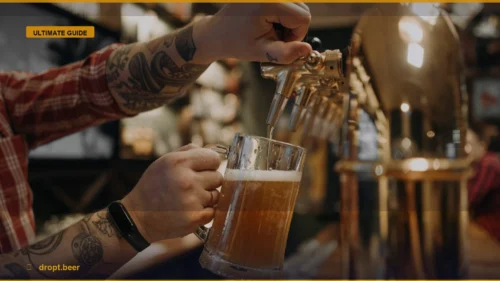
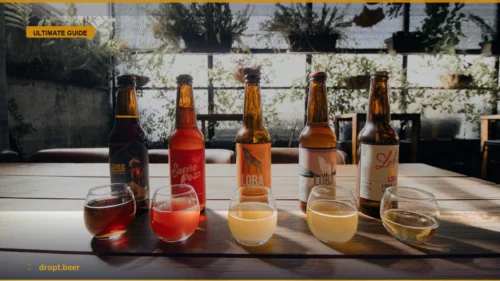
The craft beer culture is deeply integrated into the clubbing experience. Do not expect to find a wide selection of mass-produced lagers in the top-tier clubs. Instead, look for venues that feature local brews from breweries like Amundsen or Grünerløkka Brygghus. A good club in Oslo treats its beer list with the same respect as its DJ lineup. If a venue is serving nothing but macro-lagers and premixed cocktails, it is usually a sign that the management cares more about volume than the actual drinking culture of the city.
The essential styles of Oslo clubs
The variety of clubs in Oslo can be categorized into three distinct buckets. First, you have the “House and Techno institutions,” such as Jaeger, which are built for people who are there for the music. The sound systems are calibrated for long sets, and the lighting is kept minimal to ensure the focus remains on the sonic experience. These venues are typically the most reliable, as they have cultivated a loyal local following that keeps the energy high regardless of the day of the week.
Second, there are the “Social Lounges,” which start as bars and transition into clubs as the night progresses. These are excellent if you want a lower-pressure environment where you can actually talk to the people around you before the volume spikes. Places like Himkok—which is technically a cocktail bar but functions as a social hub—fall into this category. They offer a more refined atmosphere, perfect for those who find the intensity of a pure techno club a bit too much for a casual night out.
Finally, there are the “Mainstream Late-Night Spots.” These are where the larger crowds gather on weekends. They are loud, neon-soaked, and often very crowded. While they are not the best for finding high-quality craft beer, they serve a purpose if your goal is purely to dance to familiar hits in a high-energy environment. Just be prepared for the long lines and the higher entry fees that come with the central location.
The verdict: where to actually go
If you want the best possible experience in night clubs oslo, your choice depends entirely on your priority for the evening. If you are a music enthusiast who wants to lose yourself in a set, Jaeger is your only winner. It is consistent, the beer is great, and the crowd is serious about the music. For the reader who prioritizes craft cocktails and a sophisticated, social atmosphere, Himkok is the definitive choice, providing a world-class drinking experience that easily doubles as a high-end night out.
Avoid the temptation to follow the largest crowd or the venue with the flashiest sign. Oslo is a city that rewards those who go to the places with substance. Whether you spend your night at a high-fidelity basement club or a sophisticated cocktail den, you are participating in a drinking culture that values quality and community above all else. Stick to these recommendations, keep your demeanor calm at the door, and you will find that the nightlife in this city is far better than the surface-level guides would lead you to believe.