What Night Club 101 Events Actually Are – And Why They Work
Night club 101 events are themed party nights designed to draw a specific crowd, boost bar sales, and create buzz that keeps the venue full week after week. The secret to a successful night club 101 event is a clear concept, coordinated promotion, and drink specials that complement the theme.
In other words, if you want a packed dance floor, a buzzed‑up bar, and repeat customers, you need to treat each event like a mini‑festival with a story, a soundtrack, and a menu that makes sense.
Defining Night Club 101 Events
When people talk about “night club events,” they often mean any occasional party. In the 101 sense, the event is a repeatable formula that can be taught to any venue. It starts with a theme – retro ’80s, tropical beach, techno takeover, or even a craft‑beer tasting night – and builds around three pillars: atmosphere, music, and beverage program.
These events are not spontaneous; they are scheduled weeks in advance, marketed through social channels, and supported by staff training. The goal is to create a predictable revenue spike while also building a community around the club’s brand.
How to Build a Night Club 101 Event From Scratch
1. Choose a magnetic theme. The theme must be simple enough to communicate in a single image, but specific enough to attract a niche. For example, a “Neon Jungle” night can be summed up with bright green lighting and animal print dress codes, instantly telling potential guests what to expect.
2. Align the music. Book a DJ or live act that lives and breathes the theme’s genre. If you go retro, a vinyl‑only DJ who spins synth‑pop will lend authenticity. The music should be curated for the entire night, not just the opening hour.
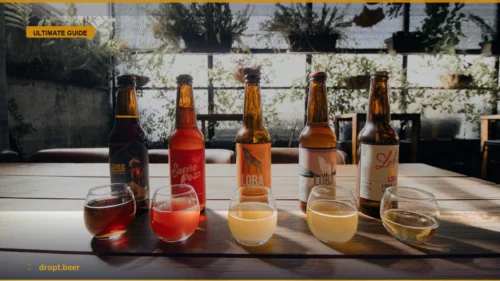
3. Design drink specials that reinforce the vibe. A tropical night might feature a rum‑forward cocktail menu, while a craft‑beer focused night could showcase limited‑edition IPAs and a tasting flight. The drinks become part of the experience, not an afterthought.
4. Promote with visual consistency. Use a single colour palette and graphic style across flyers, Instagram stories, and venue signage. Consistency builds recognition and makes the event feel professional.
5. Train staff on the theme. Bartenders should know the story behind each cocktail, and servers should encourage guests to try the featured drinks. When staff are enthusiastic, that energy spreads to the crowd.
Different Styles of Night Club 101 Events
While the formula stays the same, clubs can pivot the theme to suit their audience:
Music‑centric nights. These focus on a genre – house, drum‑and‑bass, or even a live jazz set. The drink menu is secondary but still tailored (e.g., a “Deep House” night might feature smoky whiskey sours).
Seasonal or holiday events. Think Halloween horror parties, summer poolside tiki nights, or Christmas “Silent Night” gatherings with mulled beer.
Brand‑partner collaborations. Partnering with a local brewery for a “Craft Beer & Beats” night brings new fans into the club and gives the brewery a platform to showcase experimental brews.
Each style follows the same 101 steps but tweaks the emphasis to match the target crowd.
What to Look for When Buying a Night Club 101 Event Package
If you’re a venue owner considering a ready‑made event package from a marketing firm, focus on three things:
Concept depth. Does the package include a full visual identity, music playlist suggestions, and a drink‑menu guide? Shallow concepts will look cheap.
Promotion support. Look for a firm that handles social media ads, influencer outreach, and email blasts. DIY promotion rarely reaches the needed volume.
Performance metrics. The best providers give you a post‑event report – ticket sales, bar revenue, and guest feedback – so you can refine the next iteration.
When you evaluate these criteria, you’ll avoid the trap of buying a generic flyer and expecting miracles.
Common Mistakes Most Guides Miss
Many articles claim that “any theme will work if you just put up a flyer.” That’s wrong. The biggest pitfalls are:
- Overcomplicating the theme. Too many elements confuse guests and dilute the brand message.
- Neglecting the drink program. A great theme fails if the bar can’t deliver drinks that fit the vibe; guests will leave early.
- Under‑promoting. Relying on word‑of‑mouth alone rarely fills a venue beyond the regular crowd.
- Ignoring data. Skipping post‑event analysis means you repeat the same mistakes.
These errors waste money and damage a club’s reputation. A disciplined 101 approach avoids them.
Real‑World Example: A Successful Craft‑Beer Night
One European club partnered with a local microbrewery for a “Brew & Bass” event. They followed the 101 framework: a neon‑blue visual identity, a DJ who blends electronic beats with live hop‑samples, and a three‑course beer tasting menu. Promotion ran on Instagram Stories with a swipe‑up link, and the bar staff wore brewery‑branded shirts.
The night sold out in 48 hours, bar revenue jumped 45 % compared to a regular Friday, and the brewery reported a 30 % lift in sales the following week. The post‑event report highlighted the power of a cohesive theme and targeted promotion.
Where to Find Expert Help
If you need a partner to craft your night club 101 events, check out our deep‑dive guide on optimizing club strategies and drink pairings. It walks you through choosing the right concept, measuring success, and scaling the model across multiple venues.
Verdict: The One Formula That Guarantees Success
For clubs that want repeatable, high‑margin nights, the night club 101 event formula—clear theme, music that matches, and a drink program that amplifies the experience—is the only proven path. Skip the vague “just put up a flyer” advice, invest in a cohesive concept, promote it aggressively, and track the numbers. Do that, and you’ll see packed dance floors, higher bar tabs, and a loyal crowd that returns night after night.