What a Moon Drink Actually Is – and Why It’s Not Just a Fancy Name
Short answer: a moon drink is a low‑alcohol, lightly carbonated beverage that blends beer‑style malt with botanical or fruit flavours, designed to be refreshing in the evening without the buzz of a regular pint. It’s not a lunar‑themed cocktail, a herbal tincture, or a marketing gimmick – it’s a specific style of sessionable brew that breweries across Europe and the US are positioning as the perfect “night‑time sip.”
People often confuse moon drinks with craft hard seltzers, pre‑mixed cocktails, or even non‑alcoholic malt drinks. Those categories have their own production rules, flavour goals, and legal definitions. A moon drink, by contrast, stays rooted in the beer tradition: it uses a base malt, a modest hop presence, and finishes under 2.5 % ABV, with added botanicals that give it a distinct, often floral or citrusy character. Knowing this difference clears up the fog and helps you pick a real moon drink the next time you browse a tap list.
How Moon Drinks Are Made – The Process From Grain to Glass
Even though the final product feels light and airy, the brewing steps are very much like those of a traditional ale. First, a small amount of malted barley (or sometimes wheat) is mashed to extract fermentable sugars. The mash temperature is kept on the lower side (around 62‑65 °C) to produce a body that’s thin rather than creamy. After lautering, the wort is boiled briefly – often just 15‑20 minutes – because brewers want to preserve delicate aromatics that will later be highlighted by botanicals.
During the boil, a modest hop addition (usually 10‑15 IBUs) provides a clean bitterness that balances sweetness without overwhelming the palate. After cooling, the wort is transferred to a fermenter and inoculated with a clean‑fermenting yeast strain, such as an English ale yeast or a neutral American ale yeast. Fermentation is stopped early, either by rapid cooling or by using a low‑attenuation yeast, to leave a touch of residual sugar and keep the alcohol level low.
The defining step comes next: the addition of botanicals, fruit extracts, or spices. This can happen in the fermenter (dry‑hop style) or in a secondary vessel. Common ingredients include elderflower, hibiscus, lemon zest, juniper, and even low‑dose coffee. The goal is to create a perfume‑like scent that makes the drink feel “lunar” – bright, crisp, and a little mysterious. Finally, the beer is carbonated lightly (around 1.5‑2.0 volumes of CO₂) and filtered or left slightly hazy, depending on the brewer’s aesthetic.
Different Styles and Varieties of Moon Drinks
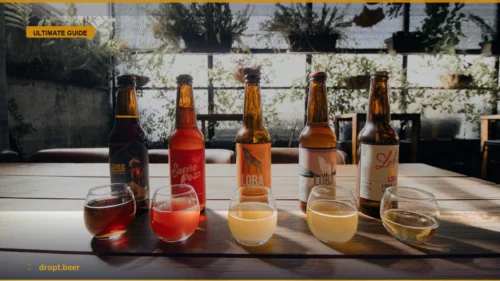
Just as craft beer splintered into IPAs, stouts, and sour ales, moon drinks have begun to diversify. Below are the most common families you’ll encounter:
Floral Moon Ales – These use elderflower, lavender, or chamomile. They’re pale, slightly sweet, and perfect for a summer evening on a balcony.
Citrus‑Forward Moon Sours – A blend of light souring bacteria with orange or grapefruit peel creates a tangy, palate‑cleansing sip. The acidity keeps the low alcohol from tasting watery.
Spiced Moon Lagers – Some breweries experiment with a lager‑style base, adding gentle spice notes like coriander or cardamom. The result is crisp, with a subtle warmth that mimics a night‑time campfire.
Fruit‑Infused Moon Wheat – Wheat malt adds a soft mouthfeel, while raspberry, blueberry, or peach puree supplies natural sweetness and colour. These are often served in a tall glass with a slice of fruit.
Each sub‑style adheres to the core principle of staying under 2.5 % ABV and keeping carbonation modest, but the flavour pathways differ dramatically, giving drinkers a surprisingly wide palette of options.
What to Look for When Buying a Moon Drink
Because the market is still niche, moon drinks can be hidden among “low‑alcohol” or “session” sections. Here’s a quick checklist to ensure you’re actually getting a moon drink and not a mislabeled seltzer:
Label keywords – Look for “moon drink,” “low‑ABV,” “session,” and any mention of botanicals or fruit infusions. A genuine moon drink will usually list malted grain as the first ingredient.
ABV – The legal definition in most European countries caps a moon drink at 2.5 % ABV. Anything higher is probably a light ale, not a moon drink.
Carbonation level – Expect a gentle fizz, not the aggressive bubbles of a hard seltzer. If the can or bottle says “still” or “lightly carbonated,” you’re on the right track.
Flavour description – Authentic moon drinks highlight botanical or fruit notes. Phrases like “elderflower aroma” or “citrus zest finish” are good signs.
When you’re at a bar, ask the bartender to point out the moon drinks on the menu. Many forward‑thinking pubs in London have already embraced the trend. For a curated list of venues that serve quality low‑alcohol options alongside great food, check out our guide to the best London pubs with food and drink. These places often rotate moon drinks seasonally, so you’ll get to taste the freshest batches.
Common Mistakes People Make with Moon Drinks
Even seasoned craft beer fans stumble when trying moon drinks for the first time. Here are the pitfalls most articles overlook:
Treating them like non‑alcoholic drinks – Because the ABV is low, some drinkers think a moon drink can be consumed in large quantities without effect. In reality, drinking three or four in one sitting can still add up to a noticeable buzz.
Choosing based solely on branding – Moon drink packaging often plays up a “space” or “lunar” theme, but the flavour profile is what matters. A flashy label doesn’t guarantee a balanced brew; always read the ingredient list.
Storing them like regular beer – Light‑sensitive botanicals can degrade if the bottle is kept in a bright fridge for months. Store moon drinks in a dark, cool place and consume within a few weeks of purchase for optimal flavour.
Mixing with high‑alcohol cocktails – Some experimenters pour a moon drink into a high‑proof cocktail to “lighten” it. The delicate botanicals get drowned, and the resulting drink loses the very character that defines a moon drink.
Most guides miss these nuances, leaving readers confused or disappointed. By keeping these points in mind, you’ll get the most out of the style.
Verdict: Which Moon Drink Should You Choose?
If your priority is a refreshing, low‑alcohol option that still feels like a crafted beverage, go for a floral moon ale – the elderflower version is a safe entry point because the aroma is gentle yet distinctive. If you prefer a tangy, palate‑cleansing sip, a citrus‑forward moon sour will hit the spot. For those who love a hint of spice and a crisp finish, a spiced moon lager is the winner.
All three styles respect the core definition of a moon drink, but the floral moon ale edges out the rest for most drinkers seeking approachability and a subtle complexity that pairs well with food. It’s versatile enough for a casual night out, a dinner setting, or a quiet evening on the balcony.
In short, a moon drink is a low‑ABV, botanically‑enhanced brew that offers a refined alternative to both hard seltzers and standard session ales. Choose the style that matches your flavour preference, respect the low‑alcohol limits, and store it properly – and you’ll discover a new favourite for those evenings when you want something special without the hangover.