Rome’s Bar Scene: Beyond the Trastevere Trap
You might think finding a great Rome bar is about stumbling into a lively piazza in Trastevere and ordering a Spritz. You’d be wrong. The best bar experiences in Rome aren’t found on every tourist map; they’re tucked away, often unassuming, and prioritize genuine Roman hospitality and quality over Instagrammable aesthetics. Forget the notion that a “good bar” in Rome means a boisterous happy hour. It means a place where the drink is excellent, the atmosphere is authentic, and you feel like a local, even if just for an hour.
Many visitors to Rome arrive with a vague idea of what a Roman bar should be: a place for aperitivo, perhaps a quick espresso. But the reality is far richer and more nuanced. A Roman bar serves many purposes throughout the day and evening, shifting its identity from a morning coffee spot to a lunchtime snack counter, and finally, a place for a relaxed evening drink. Understanding this multifaceted role is key to appreciating the true Rome bar experience. It’s not just about what’s served, but how it’s served, and the unwritten rules of social engagement that govern these spaces.
What Defines a True Rome Bar?
A true Rome bar, or bar as the locals call it, is an institution that defies easy categorization. In the morning, it’s where Romans get their shot of espresso, often standing at the counter for a quick, ritualistic caffeine fix. By lunchtime, it might offer simple sandwiches (tramezzini) or pastries. As evening approaches, it transforms into a place for aperitivo, a pre-dinner drink accompanied by small snacks. However, the concept of a dedicated cocktail bar or craft beer pub, while growing, is a more modern addition to the Roman drinking scene. Traditional bars are about community, routine, and a certain unpretentious elegance.
The key elements of an authentic Rome bar include a well-maintained espresso machine, a counter for standing patrons, and a selection of basic spirits, wines, and sometimes local beers. The service is often brisk but polite, and the atmosphere is typically bustling, especially during peak hours. You won’t find flashy menus or overly complex drink lists in most traditional bars; the focus is on quality ingredients and timeless preparations. It’s a place where relationships are built over repeated visits, and familiarity breeds a sense of belonging.
The Evolution of the Rome Bar Scene
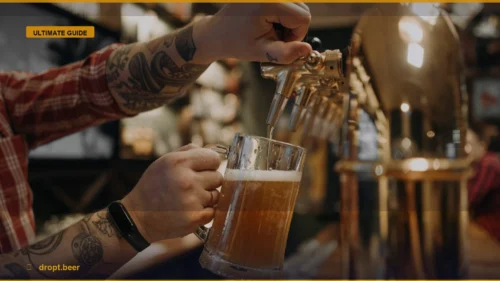
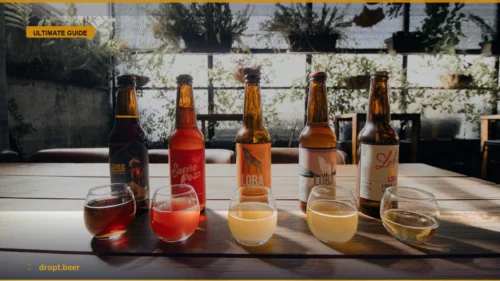
While traditional bars remain prevalent, Rome’s drinking landscape is evolving. In recent years, there’s been a noticeable rise in specialized establishments. Craft beer pubs, for instance, have emerged, offering a wider selection of Italian and international microbrews than ever before. Cocktail bars, too, are gaining traction, often with creative menus and skilled mixologists. These newer venues cater to a different kind of patron, one seeking novelty and specific drink experiences, moving beyond the simple Spritz or Negroni. This diversification offers more choices for visitors, but it also means distinguishing between a traditional Roman bar and a more modern drinking establishment is important for managing expectations.
Common Misconceptions About a Rome Bar
Many articles about Rome’s nightlife lead tourists astray, focusing on superficial aspects or promoting places that prioritize volume over authenticity. Here are some things people commonly believe that are wrong:
- Myth 1: The Best Bars Are Always in Trastevere. While Trastevere has many bars, especially those catering to tourists, many are overpriced and lack genuine Roman character. You’ll find better, more authentic experiences in neighborhoods like Monti, Testaccio, or even quieter parts of the historic center. Trastevere’s popularity has, in some ways, diminished its ability to offer truly local experiences.
- Myth 2: Aperitivo is a Free Dinner. Aperitivo is meant to be a pre-dinner snack, not a substitute for a meal. While some bars offer more substantial buffets, the primary purpose is to stimulate the appetite, not fill you up. Expect small bites like olives, nuts, and perhaps some bruschetta or mini pizzas. Going in expecting a full meal will lead to disappointment.
- Myth 3: You Have to Speak Italian to Order. While it’s always appreciated, most bars in tourist areas and even many local ones will have staff who speak some English. A simple “un caffè, per favore” or “una birra, per favore” will get you by. Don’t let language barriers deter you from enjoying the local scene.
- Myth 4: All Roman Bars Are the Same. This couldn’t be further from the truth. From the old-school establishments where regulars stand at the counter all day to modern, stylish cocktail lounges, the variety is immense. Each bar has its own unique personality and clientele, reflecting the specific neighborhood it inhabits.
- Myth 5: Happy Hour Means Cheap Drinks. While some bars have “happy hour” promotions, it’s not the American concept of significantly discounted drinks. Often, it refers to the aperitivo period where your drink purchase includes access to snacks. The price of the drink itself might not change dramatically.
What to Look For in a Great Rome Bar
When seeking out a truly great Rome bar, keep these pointers in mind:
- Locals First: If a bar is packed with Romans, it’s usually a good sign. They know where the quality is. Observe who is frequenting the establishment; a strong local presence often indicates authenticity.
- Simplicity and Cleanliness: A good bar doesn’t need to be flashy. Look for a clean counter, well-maintained espresso machine, and fresh pastries if it’s morning. The focus should be on the product, not excessive decor.
- Quality of Ingredients: Whether it’s the coffee beans, the spirits, or the aperitivo snacks, quality matters. A truly good bar will pride itself on sourcing good products.
- Atmosphere: Is it lively but not chaotic? Does it feel welcoming? The best bars have a comfortable buzz, allowing for both quiet contemplation and engaging conversation.
- Price: While not the only indicator, unreasonably high prices often suggest a tourist trap. Compare prices with nearby establishments; a coffee should be around €1-1.50 if standing at the bar.
Thinking about the overall experience, consider what kind of personalized touch the bar offers. Just like a well-branded establishment might invest in customized bar glasses to enhance its identity, the best Roman bars have an intangible ‘brand’ built on consistency and character. This often manifests in the regulars, the familiar faces behind the counter, and the unspoken rhythms of daily life that unfold within its walls.
Our Verdict: The Authentic Rome Bar Experience
Ultimately, the best Rome bar isn’t a single establishment but a type of experience. For the purist seeking tradition, the winner is the unassuming, neighborhood bar that transitions seamlessly from morning coffee to evening aperitivo. These are the places where the espresso is perfect, the service is efficient, and you can observe Roman daily life unfolding around you. They might not have a craft beer list or fancy cocktails, but they offer an irreplaceable slice of Roman culture.
For those prioritizing modern craft beverages, the winner is one of Rome’s emerging specialized pubs or cocktail bars, particularly those found outside the immediate tourist hotspots. These establishments are pushing the boundaries of Rome’s drinking culture, offering curated selections and innovative concoctions. They represent the evolving side of the city’s scene, proving that Rome can honor its past while embracing new trends. Whichever you choose, remember that the true essence of a Rome bar lies in its ability to connect you, however briefly, to the rhythm and soul of the Eternal City.