I’ll be blunt about this: too many of us are stuck in a beverage rut, drinking what’s easy or what the big brands tell us to. It’s time to break free. This isn’t about snobbery; it’s about finding genuinely good drinks, from a local lager in Tonga to a proper sherry for your cooking. Consumers today are actively seeking authenticity, quality, and unique experiences in their beverages, driving significant shifts across craft beer, spirits, cider, and cocktails. This guide cuts through the marketing fluff to show you how to find drinks that truly matter.
Right, let’s get down to brass tacks. I’ve always said, if you’re going to put something in your glass, it ought to be worth it. Not just some fizzy, flavourless concoction churned out by a corporate behemoth, but something with character, with a story, with a bit of bloody soul. Because, let’s be honest, for too long, we’ve been letting the marketing departments dictate what we drink. Big glossy ads, celebrity endorsements, the whole song and dance about ‘premium’ when it’s anything but. And where has that left us? Often, with a glass full of mediocrity, chasing trends that fizzle out faster than a cheap lager.
But something’s shifting. I’ve seen it, you’ve seen it. People are wising up. They’re asking tougher questions, demanding more. They want to know where their drink comes from, who made it, and if it’s actually any good. This isn’t just some fleeting fad, don’t let anyone tell you otherwise. This is a fundamental change in how we approach our pints, our pours, our drams. It’s about thoughtful drinking, about genuine exploration, and about cutting through the absolute noise to find the good stuff.
Why now? Well, the world’s gotten smaller, hasn’t it? We travel more, we taste more, and our palates are getting educated. Social media, for all its faults, has put the spotlight on tiny producers doing incredible things, bypassing the old gatekeepers. People want experiences, not just products. They want to feel connected to what they’re consuming, to the hands that made it, to the place it came from. And frankly, the big players are struggling to keep up. Take the U.S. craft spirits market, for instance; it’s projected to grow by an astounding USD 50.89 billion between 2023 and 2028, driven largely by millennials and women looking for inventive flavours and artisanal blends. That’s not a niche anymore; that’s a movement.
So, if you’re still reaching for the same old bottle, listening to the same old spiel, consider this your wake-up call. There’s a whole world of incredible beverages out there, just waiting to be discovered. It’s time to ditch the dull and drink better.
The Craft Reckoning: Beyond the Big Brews
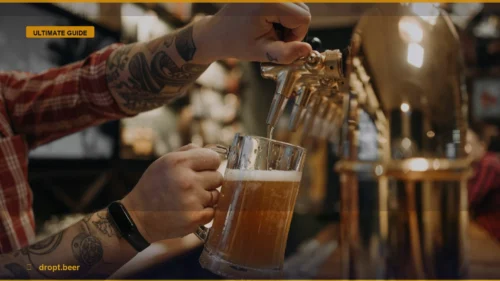
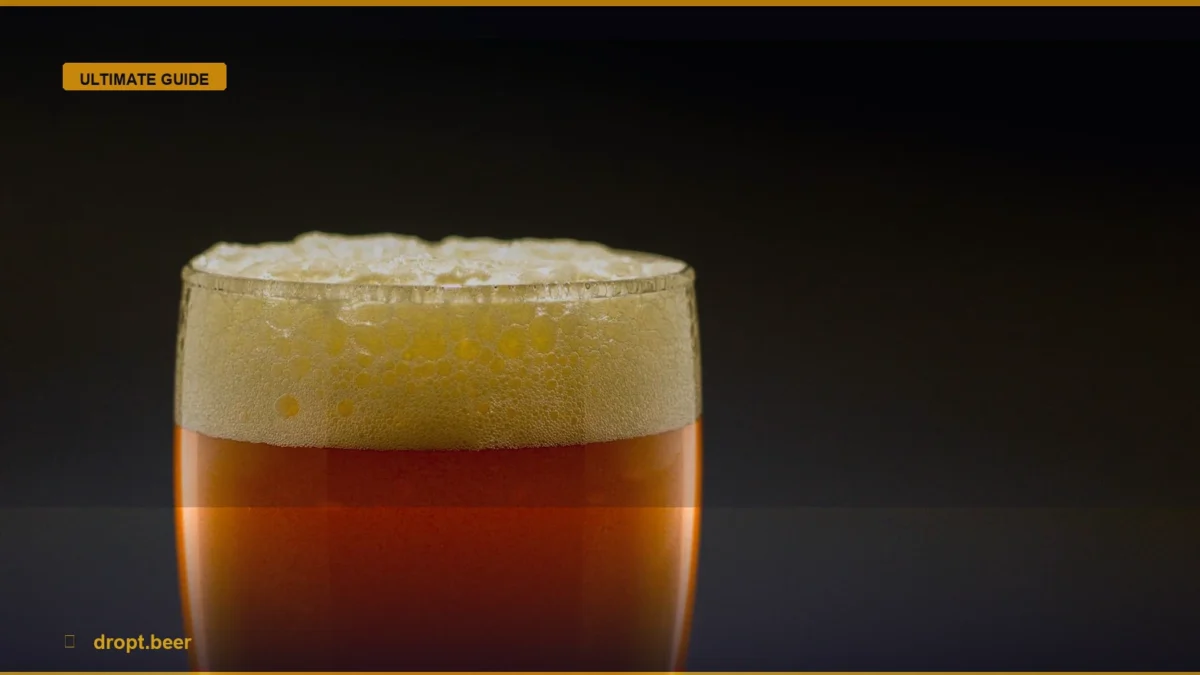
For years, ‘beer’ in many places meant one of two things: a bland, mass-produced lager or, if you were lucky, a slightly less bland import. But I’ll be blunt about this, those days are thankfully behind us. The craft beer revolution, for all its occasional over-the-top IPAs, has forced everyone to raise their game. People want flavour, they want variety, and they want to support the bloke down the road brewing with passion, not just profit.
The numbers don’t lie, even with some recent headwinds. While the U.S. craft brewing industry saw a 3.9% decrease in production volume in 2024 from the previous year, with more breweries closing than opening for the first time since 2005, the retail dollar value still rose by 3% to an estimated $28.8 billion. What does that tell you? It tells you that consumers are willing to pay for quality, for an experience, even if they’re drinking a bit less overall. It’s about value, not just volume. This shift is fueling what we call ‘beer tourism,’ a global market valued at USD 11.63 billion in 2024 and projected to hit USD 22.56 billion by 2030. People are travelling to find these unique brews, visiting breweries, and soaking up the local culture. It’s an immersive experience, a proper journey.
Think about Hanoi’s evolving craft beer scene. It’s not just about a cold lager on a plastic stool anymore. You’ve got brewers experimenting with local ingredients, pushing boundaries, creating jasmine-infused ales and coffee-forward stouts. That’s real craft, that’s what makes it exciting. And it’s not just the big cities getting in on the act. Even in places like Tonga, where the quest for a cold one might seem simpler, there’s an appreciation for local flavour. Forget the craft taprooms for a moment and understand that sometimes, the perfect cold beer is the local lager that tells a story of its place. The point is, whether it’s a bustling urban brewery or a remote island’s staple, people are seeking out the authentic taste of a place, not just a generic brew.
Cider’s Comeback: It’s Not Just for Kids Anymore
For too long, cider got a raw deal. Stuck in a corner, seen as overly sweet, or worse, just ‘tipsy apple juice’. I’ve always said, that’s a load of rubbish. Proper cider, the stuff made with real apples, fermented dry, with complexity and nuance—that’s a serious drink. And finally, people are starting to realise it.
The global cider market is experiencing robust growth, estimated at USD 14.18 billion in 2025 and projected to reach USD 16.58 billion by 2030. That’s not a segment in decline, is it? This expansion is fueled by innovation in flavors, sustainable packaging, and a strong emphasis on regional authenticity. Consumers are increasingly looking for healthier, lower-alcohol options, and dry cider fits that bill perfectly. Regional brands, those focused on the orchard and the harvest, are leading the charge, carving out significant market share.
Don’t let anyone tell you cider isn’t a sophisticated choice. It pairs beautifully with food, offers a fantastic gluten-free alternative, and boasts a spectrum of flavours that puts many wines to shame. It’s about moving beyond the sugar bombs and discovering the real, orchard-focused ciders. These are drinks with heritage, with terroir, and with a refreshing honesty that you just don’t get from mass-produced fizzy pop. The future of cider is dry, complex, and absolutely delicious.
Mixing It Up: The Rise of the Thoughtful Cocktail
Walk into a good bar these days, and you’ll notice a shift. It’s not just about throwing a few spirits together and calling it a ‘special’. Bartenders, bless ’em, are becoming more like chefs, sourcing quality ingredients, understanding flavour profiles, and crafting drinks that tell a story. This isn’t just about getting a buzz; it’s about an experience, a moment, a conversation.
The global cocktail market is booming, projected to nearly double from USD 1.08 billion in 2023 to USD 2.16 billion by 2029, growing at a CAGR of 12.28%. What’s driving this? A demand for premiumisation, for elevated craftsmanship, and for genuine connections. We’re seeing a massive trend towards locally sourced ingredients, with bars focusing on flavours relevant to their city or region, reducing their carbon footprint, and offering something truly unique.
Think about the best cocktail bars in Paris’s Latin Quarter. You’re not just getting a drink; you’re getting a curated experience, often with ingredients you’d never expect. These places are cutting through the tourist traps, focusing on quality and a genuine understanding of mixology. And it’s not just about alcohol either. Mindful drinking is becoming mainstream, with a growing emphasis on expanded alcohol-free menus and complex non-alcoholic options crafted with the same care as their boozy counterparts. It’s about the craft, the flavour, the ritual—not just the alcohol content. You’ll find that these thoughtful approaches lead to far more memorable sips.
Sherry’s Secret Life: More Than Just a Cooking Wine
Here’s what matters: Sherry. For too long, it’s been relegated to the back of the cupboard, pulled out only for a Christmas trifle or, worse, thought of as merely ‘cooking wine’. I’ll be blunt about this, that’s a travesty. Sherry is one of the most versatile, complex, and utterly fascinating wines on the planet, and it deserves a spot front and centre, both in your glass and in your kitchen.
The global Sherry market, valued at around USD 2.9 billion in 2024, is expected to climb to almost USD 3.5 billion by 2035. This isn’t dramatic growth, but it’s steady, and it’s driven by a rising demand for premium, authentic drinks with a story. Younger drinkers, in particular, are showing interest in artisanal wines that aren’t mass-produced. Chefs and bartenders are rediscovering its incredible flexibility, using crisp Finos with seafood or dark Olorosos in cocktails. It’s a culinary secret weapon, a proper game-changer.
Don’t let anyone tell you that ‘cooking wine’ is an acceptable substitute for real sherry. It isn’t. You wouldn’t use ‘cooking beer’ in your stew, would you? A good dry Fino or Manzanilla sherry elevates dishes in a way no salted, dubious ‘cooking wine’ ever could. It adds depth, acidity, and a nutty complexity that transforms sauces, stews, and even desserts. Its use in the food service sector is a key growth driver, with high-end restaurants and chefs incorporating it into their menus and pairings. This isn’t just about drinking; it’s about cooking better, eating better, and appreciating the full spectrum of what this magnificent fortified wine offers. You’ll thank me later.
The Power of Place: Why Local Matters More Than Ever
If there’s one overarching truth in this whole beverage landscape, it’s this: place matters. The soil, the climate, the people, the traditions—they all contribute to the unique character of what ends up in your glass. This desire for authenticity, for a connection to the source, is driving so much of what’s exciting in drinks right now. Consumers value transparency and authenticity, favoring products with compelling stories and transparent sourcing practices.
It’s why beer tourism is thriving, with people seeking out local breweries and their unique stories. It’s why cocktail bars are focusing on hyper-local ingredients, and why a good, honest local lager can be just as satisfying as a complex craft IPA. Innova Market Insights’ 2024 trend, ‘Local Goes Global’, perfectly captures this, highlighting how consumers want to explore the world through global cuisines and authentic flavors, while also supporting local production.
This isn’t about being insular; it’s about appreciating global diversity through a local lens. It’s about knowing that the coffee stout you’re drinking in Hanoi uses locally roasted beans, or that the Fino sherry you’re cooking with comes from the sun-drenched vineyards of Jerez. When you choose a local, authentic product, you’re not just buying a drink; you’re buying into a community, a tradition, a piece of someone’s passion. And that, my friends, is a truly satisfying sip.
Frequently Asked Questions
Why are consumers increasingly interested in authentic and local beverages?
Consumers are increasingly seeking authenticity and connection in their purchases. They want products with a clear origin, a compelling story, and transparent production methods, moving away from generic mass-produced options. This trend is driven by a desire for unique experiences, support for local economies, and a growing appreciation for craft and tradition, as highlighted by reports from Innova Market Insights and KPMG.
How is the craft beverage market performing globally in 2024-2025?
While the U.S. craft brewing industry experienced a slight volume decrease in 2024, its retail dollar value still grew by 3% to $28.8 billion, indicating a focus on premiumisation. The global craft spirits market is projected for significant growth, increasing by USD 50.89 billion between 2023 and 2028. The cider market also shows robust growth, valued at USD 14.18 billion in 2025 and projected to reach USD 16.58 billion by 2030.
What’s driving the resurgence of sherry in culinary and cocktail scenes?
Sherry’s resurgence is fueled by its versatility and a renewed appreciation for its complex flavour profiles. Chefs and bartenders are rediscovering how well it pairs with diverse cuisines and how it can elevate cocktails. There’s a growing demand for premium, authentic fortified wines, with younger consumers showing particular interest in drier styles like Fino and Manzanilla.
Why should I consider hard cider beyond sweet options?
Many associate hard cider with overly sweet, simple flavours, but the market is evolving rapidly. Quality, orchard-focused ciders offer a wide range of dry, complex, and nuanced profiles that pair beautifully with food. Driven by consumer demand for healthier, lower-ABV, and authentic beverages, the hard cider market is leaning into flavour innovation and regional authenticity, making it a sophisticated alternative to beer or wine.
Was this article helpful?