Conscious consumption in the beverage world isn’t just a fleeting trend; it’s a fundamental shift towards greater intentionality and elevated experiences. In 2025, consumers are increasingly prioritizing quality over quantity, seeking out premium spirits, sophisticated non-alcoholic options, and personalized hospitality. This movement is driven by a desire for improved mental and physical well-being, financial prudence, and a deeper appreciation for craftsmanship and authentic experiences. From curating a thoughtful home bar to navigating vibrant social scenes with purpose, embracing intentionality allows us to truly savor every sip and moment.
I remember a time, not so long ago, when the default setting for any social gathering was simply “more.” More bottles on the table, more rounds ordered, an unspoken pressure to keep pace. As someone who’s spent years immersed in the intricate world of Belgian ales and the fascinating science of fermentation, I’ve always held that the true joy of a drink — any drink — lies in its nuance, its story, its ability to connect us. But for a while there, it felt like we’d lost our way, chasing volume instead of value.
It’s my strong view that we’re witnessing a beautiful renaissance in how we approach what’s in our glass, and indeed, how we engage with the entire culture of hospitality. This isn’t about abstinence, necessarily; it’s about awareness. It’s about “less but better,” a philosophy that’s finally taking root. Why does this matter now? Well, the numbers tell a compelling story. Nearly half of Americans, 49% to be exact, plan to reduce their alcohol consumption in 2025, a significant 44% increase since 2023. And it’s not just a passing fancy. This shift is deeply rooted in a desire for better mental and physical health, and yes, even smarter financial choices. Having tasted hundreds of these, I can tell you, the options for thoughtful enjoyment have never been more exciting. This is a moment to embrace curiosity, to explore, and to truly master the art of the intentional sip.
The Rise of Mindful Drinking: A Cultural Shift
The “sober curious” movement, or “mindful drinking” as I prefer to call it, isn’t a fringe idea anymore; it’s mainstream. It’s a conscious decision by millions to engage with beverages — alcoholic or not — with greater purpose. In 2024, 34% of Americans identified as mindful drinkers, a noticeable jump from 26% the year prior. It’s a generational wave, too. Gen Z is leading the charge, with 65% planning to drink less in 2025, and a remarkable 39% aiming for an entirely alcohol-free lifestyle for the year. These aren’t just arbitrary choices; they’re driven by very real, very personal motivations.
Think about it: the focus on mental health has never been more pronounced, with 36% of Gen Z citing it as a reason to go alcohol-free in 2024. Physical health — weight management, better sleep, more energy — is another powerful motivator. And let’s not forget the financial aspect. Cutting back on alcohol can free up significant funds, which, in today’s economic climate, is a practical consideration for many. This “less but better” philosophy has profoundly impacted the beverage industry, spurring innovation like never before. We’re seeing an explosion in the non-alcoholic sector, for instance. The global non-alcoholic beverages market was valued at an astonishing USD 1,796.60 billion in 2024 and is projected to reach USD 2614.16 billion by 2032, growing at a compound annual growth rate of 4.80%. It’s a testament to consumer demand for sophisticated alternatives that don’t compromise on flavor or experience. Non-alcoholic beers still lead sales, but it’s the NA spirits and ready-to-drink (RTD) mocktails that are truly surging, showing 70% growth between 2024 and 2025 alone. This isn’t just about simple sodas anymore; it’s about expertly crafted drinks that offer complexity and satisfaction, proving that celebration doesn’t always need alcohol.
Crafting the Conscious Home Bar
For many of us, the home has become our primary entertainment hub. The pandemic certainly accelerated this, but the trend towards a more personalized and well-equipped home bar is here to stay, evolving from a mere luxury to a truly sought-after feature. It’s about creating a space that reflects your palate, your values, and your desire for quality. Gone are the days of dusty, forgotten bottles. We’re talking about a curated collection, a personal sanctuary where every ingredient has a purpose. This is where the small but mighty 50ml vodka nip — often overlooked — truly shines. It’s the secret to curating a world-class home bar without the waste, allowing you to experiment with premium spirits and diverse flavors without committing to a full bottle. Why You Should Stop Ignoring 50ml Vodka Nips, you ask? Because they offer unparalleled flexibility for crafting bespoke cocktails and exploring new brands without breaking the bank. It’s a smart, sustainable approach to building your repertoire.
And what about those moments when you’re seeking complexity without the alcohol? The rise of sophisticated non-alcoholic mixers has been a game-changer. We’re far beyond sugary sodas now. Think shrubs, artisanal tonics, and fresh aromatics that create layers of flavor. If you’re ready to elevate your zero-proof game, Stop Drinking Boredom: How to Master Non-Alcoholic Mixers will show you how to craft truly compelling drinks. These aren’t just substitutes; they are destinations in themselves. When it comes to design, 2025 home bars are all about sleek modern minimalism, dark wood accents, and integrated lighting that sets the mood. We’re even seeing a rise in at-home taprooms, with homeowners installing draught beer systems for that perfect pint. It’s about making your home bar an extension of your personal style — multi-functional, refined, and smart, often incorporating tech for app-controlled lighting and temperature regulation.
Elevating the Experience: From Glass to Gala
The intentionality we bring to our home bars extends seamlessly into how we enjoy beverages in any setting, from a quiet evening with a glass of wine to a grand celebration. It’s about maximizing enjoyment and ensuring every experience is truly memorable. Take wine, for instance. It’s astonishing how many people inadvertently “ruin” a perfectly good bottle simply by serving it incorrectly. Temperature, aeration, glassware — these elements are not just snobbery; they’re fundamental to unlocking a wine’s true character. If you’ve ever wondered why that Anderson Hill Shiraz didn’t quite sing, you might be making some common blunders. Stop Ruining Your Anderson Hill Wine: 4 Common Mistakes to Avoid offers practical advice that can transform your wine-drinking experience. It’s about respect for the craft, and for your palate.
This same principle — that attention to detail elevates everything — is vital when hosting, whether it’s an intimate dinner or a larger event. Planning is paramount. In 2025, luxury event planning emphasizes personalization and immersive guest experiences, moving away from wasteful practices. Guests want to feel seen, to have their preferences considered, and to be engaged. Choosing the right venue, setting the mood, and curating a beverage selection that caters to diverse tastes — including sophisticated non-alcoholic options — makes all the difference. For those looking to create an unforgettable Spanish celebration, “Hosting in Salamanca: A Guide to the City’s Best Private Venues” provides invaluable insights into selecting the perfect backdrop, from historic cellars to modern dining rooms. It’s about crafting an atmosphere where every detail contributes to a cohesive, delightful experience. Even the bar itself has become a central “showstopper” in events, transitioning from a mere service point to a social hub with elaborate designs.
The Future of Hospitality: Immersive & Authentic
Beyond our private spaces, the hospitality industry is rapidly adapting to this craving for intentional, elevated experiences. Bars and venues aren’t just serving drinks; they’re crafting narratives, offering immersive journeys, and providing unparalleled service. Fine dining and culinary experiences in 2025 are blending traditional luxury with innovative concepts, focusing on sustainability, hyper-local sourcing, and storytelling through food. This extends to the bar scene, where demand for immersive cocktail experiences and mixology-driven concepts is only increasing. We’re talking about speakeasy-style bars, flair bartending, and establishments that tell a story with every pour. It’s about a deeper engagement than just a transaction.
Even in high-octane environments, strategy and intentionality reign supreme. Taking on a place like Drai’s Nightclub in Vegas — a whirlwind of energy and excitement — requires a certain approach to truly maximize the experience. It’s not just about showing up; it’s about understanding the nuances of entry, the dress code, and navigating the drink scene like a seasoned pro. “How to Conquer Drai’s Nightclub: A Pro Strategy Guide” is a perfect example of how thoughtful planning enhances even the most spontaneous-seeming nights out. This blend of high-energy and high-touch service, often powered by technology like AI for personalized guest experiences and seamless interactions, is defining the future of hospitality. Consumers, especially Gen Z, value authenticity, sustainability, and experiences over material goods, gravitating towards purpose-driven brands. The premium spirits market itself, valued at USD 172.93 billion in 2024, is projected to grow to USD 349.30 billion by 2032, exhibiting a CAGR of 10.8%. This growth is fueled by consumers’ willingness to pay more for exceptional quality, artisanal craftsmanship, and a compelling brand story — the very essence of intentional consumption.
Practical Steps for Your Intentional Sips
So, how do we translate these sweeping trends into actionable steps for our everyday lives? It’s simpler than you might think, and it starts with a little bit of curiosity and a willingness to explore.
- Question Your “Why”: Before reaching for a drink, pause. Ask yourself: Why am I having this? Is it habit, thirst, celebration, or something else? This simple moment of reflection is the cornerstone of mindful drinking.
- Embrace “Less But Better”: Invest in quality. Whether it’s a single malt Scotch or a beautifully crafted non-alcoholic botanical spirit, choose bottles that offer depth and character. You’ll find greater satisfaction in fewer, more exquisite sips.
- Diversify Your Home Bar: Don’t just stock up on the usual suspects. Explore small-batch spirits, artisanal mixers, and a range of non-alcoholic options. The variety will inspire your creativity and cater to all tastes.
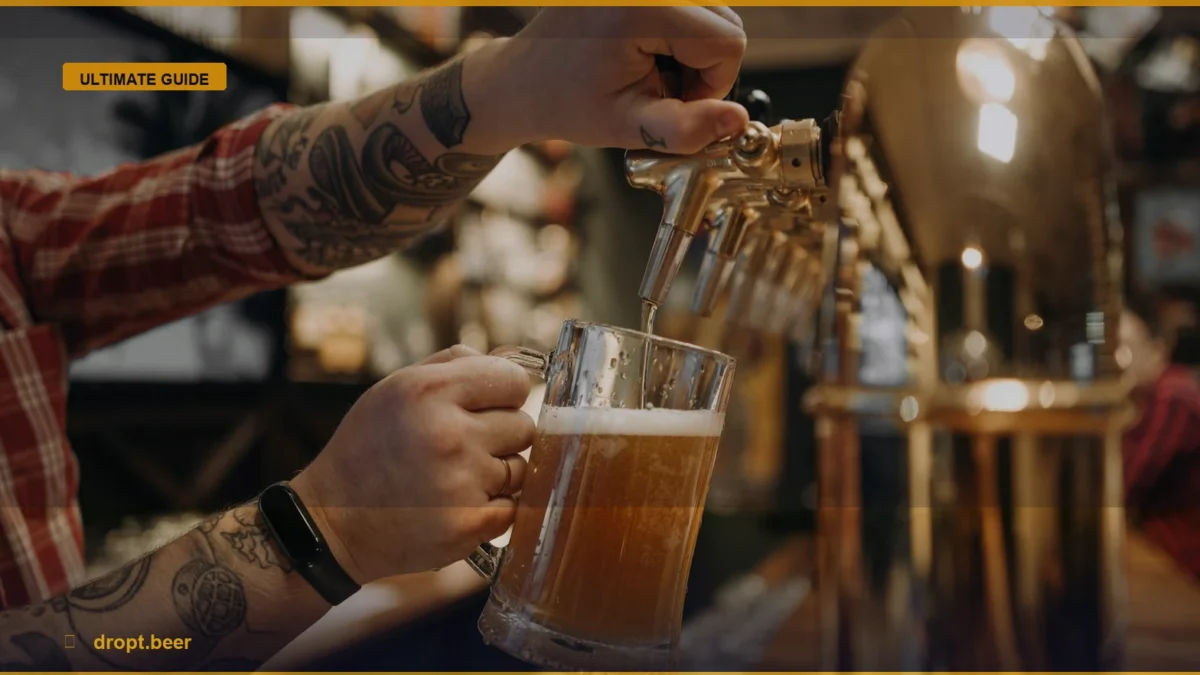
- Master the Basics of Service: Understand how to properly serve wine, build a balanced cocktail, or even pour a perfect pint from a home tap. These small details make a huge difference in enjoyment.
- Seek Out Experiential Venues: When you go out, look for establishments that prioritize craftsmanship, unique experiences, and genuine hospitality. Support places that tell a story and engage your senses beyond just the drink itself.
- Stay Curious: The world of beverages is constantly evolving. Read, taste, experiment. Don’t be afraid to try new things — a new grape varietal, an unusual cocktail ingredient, or a completely novel non-alcoholic creation.
Frequently Asked Questions
What is mindful drinking?
Mindful drinking involves a conscious and intentional approach to alcohol consumption, focusing on awareness of why, what, and how much you’re drinking. It encourages individuals to pay attention to the effects of alcohol and make informed choices, often leading to reduced intake or a preference for non-alcoholic alternatives. It’s about quality over quantity and a deeper appreciation for the beverage experience.
Why are more people choosing non-alcoholic beverages in 2025?
The surge in non-alcoholic beverage popularity in 2025 is driven by increased health consciousness, a desire for improved mental well-being, and financial considerations. Consumers, particularly Gen Z, are seeking sophisticated alternatives that offer complex flavors and social experiences without the intoxicating effects of alcohol. The market has responded with a vast array of high-quality NA beers, wines, spirits, and functional drinks.
How can I make my home bar more “conscious”?
To create a conscious home bar, focus on curation over accumulation. Invest in premium, versatile spirits (consider small bottles for variety), and explore a diverse range of high-quality non-alcoholic mixers. Pay attention to design, incorporating elements like integrated lighting and smart storage. The goal is a functional, beautiful space that encourages thoughtful preparation and enjoyment, reflecting your personal taste and values.
What role does personalization play in modern hospitality?
Personalization is crucial in modern hospitality, especially in 2025. Guests expect tailored experiences, from customized event menus and decor to AI-driven recommendations in hotels. This trend extends to bars and restaurants, where unique cocktail creations and bespoke service elevate the guest’s sense of value and engagement. It’s about creating memorable moments that resonate deeply with individual preferences.
Was this article helpful?