Quick Answer
No, whiskey is consistently stronger than tequila when comparing average alcohol by volume (ABV). While most tequilas sit at 38% to 40% ABV, whiskey frequently ranges from 40% to 60% ABV, especially when accounting for cask-strength bottlings.
- Check the label for the specific ABV percentage rather than relying on the perceived ‘heat’ or burn.
- Look for ‘cask-strength’ labels on whiskey if you are looking for a higher-proof experience.
- Remember that tequila’s ‘bite’ is often due to congeners and agave esters, not higher alcohol content.
Editor’s Note — Rachel Summers, Digital Editor:
I firmly believe that the ‘tequila hits harder’ myth is the most persistent piece of misinformation in modern spirits culture. In my years covering bar trends, I’ve seen countless drinkers mistake a sharp, peppery agave profile for raw potency, leading to some very unfortunate hangovers. What most people miss is that whiskey producers are actively pushing the proof envelope with cask-strength releases, while tequila remains tethered to tradition. Charlie Walsh is the perfect person to clear this up because he understands the nuance of distillation chemistry better than anyone I know. Stop guessing at the bar and check the bottle’s ABV before your next round.
The smell of a freshly opened bottle of cask-strength Islay scotch is unmistakable. It’s peat smoke, iodine, and a sharp, prickling sensation that dances right at the edge of your nostrils before you even pour a drop. Contrast that with a bright, herbaceous blanco tequila, which hits with the scent of roasted agave and wet earth. It’s easy to see why people get confused. One feels like a punch to the senses, while the other feels like a sophisticated, slow-building fire. But does that sensory experience translate to raw alcohol strength?
The truth is, whiskey is almost always stronger than tequila. If you’re looking for the highest alcohol by volume (ABV) in your glass, you’re looking in the wrong place if you’re reaching for the agave shelf. While the folklore of the pub suggests that tequila’s ‘kick’ makes it the more potent spirit, the science of distillation tells a much clearer story.
The Chemistry of the Burn
We often conflate heat with proof. It’s a common mistake. When you sip a tequila, you’re often experiencing a high concentration of congeners—those non-alcohol compounds formed during fermentation and distillation that contribute to the flavor profile. Agave is aggressive. It’s earthy, vegetal, and sometimes downright spicy. That sensory intensity isn’t a measurement of alcohol content; it’s a measurement of character. According to the WSET Level 2 Spirits guidelines, alcohol strength is a static percentage, while ‘burn’ is a physiological reaction to the chemical composition of the liquid.
Whiskey, particularly bourbon or rye, tends to have a more integrated burn. The aging process in charred oak barrels mellows the sharpness of the ethanol, pulling vanilla and caramel notes from the wood. This allows you to drink higher-proof whiskey without feeling the same immediate ‘bite’ you might get from a young, unaged blanco tequila. You’re drinking more alcohol, but it feels smoother going down. That’s the magic of the barrel, not a lack of strength.
Defining the Standards
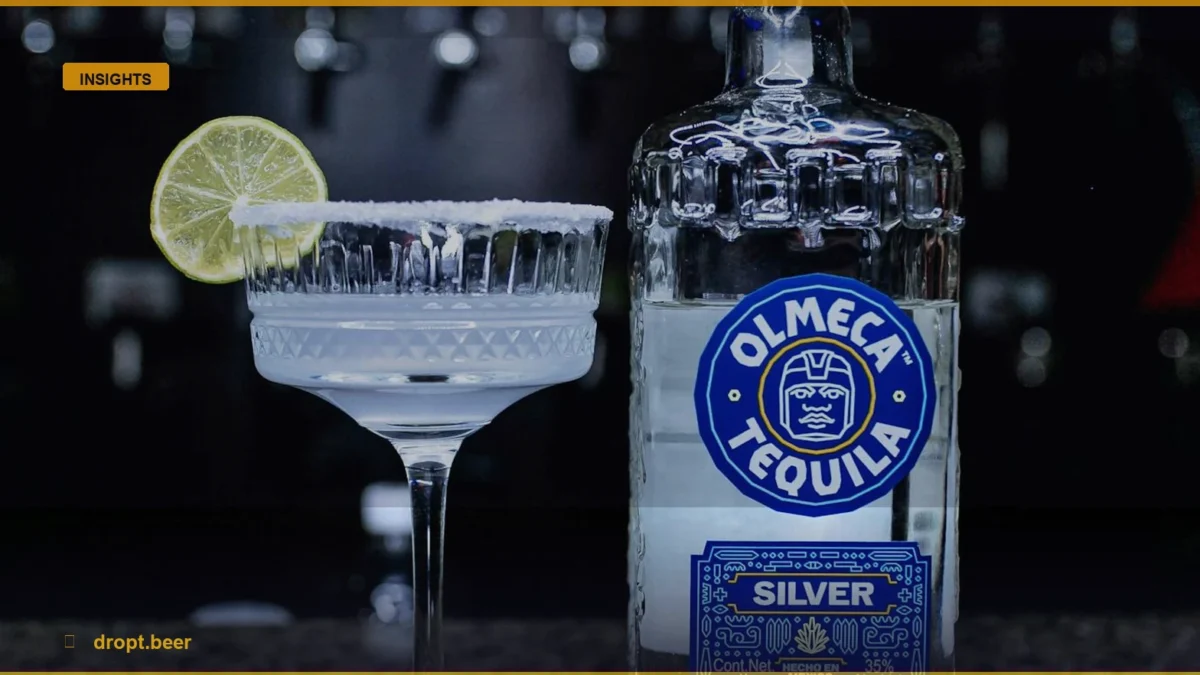
If you head to the liquor store, look at the back label. You’ll notice a pattern. Most standard tequilas, whether they’re silver or reposado, are bottled at 38% to 40% ABV. This is the industry sweet spot. It provides enough dilution to make the spirit approachable while maintaining the integrity of the agave. Mexican regulations ensure a minimum of 35% ABV, but the market rarely pushes past 42% for standard releases.
Whiskey plays by a different set of rules. The BJCP (Beer Judge Certification Program) and global spirits standards generally place most whiskies at a 40% minimum, but the ceiling is virtually non-existent. You’ve got your standard 40% ABV blends, sure. But then you move into the world of American Bourbon or barrel-proof Scotch, where 50%, 55%, or even 60% ABV is common. When you drink a cask-strength whiskey, you’re essentially consuming 50% more alcohol than you would be in a standard 40% tequila pour. The math is simple, even if the flavor profile makes you think otherwise.
The Cask-Strength Factor
I’ve spent plenty of nights in pubs from Dublin to Melbourne, and the conversation always turns to which spirit will ‘get you there’ faster. If you’re chasing proof, you’re chasing the cask. Distilleries like Ardbeg or high-end Kentucky bourbon producers aren’t trying to hide their strength. They’re highlighting it. By pulling the spirit directly from the barrel without adding water, they create a product that is objectively more potent than any standard tequila on the market.
Don’t be fooled by the marketing of ‘small batch’ or ‘artisan’ tequilas claiming higher intensity. Intensity is not strength. If you want a drink that packs a heavier punch, look for the ‘cask strength’ or ‘barrel proof’ designation on a bottle of whiskey. It’s the most honest way to ensure you know exactly what you’re putting in your glass. For everything else, head over to dropt.beer to see how to properly pair these spirits with the right glassware and ice to manage that strength.
Frequently Asked Questions
Why does tequila feel stronger if it has less alcohol?
Tequila often feels ‘hotter’ or stronger due to its chemical composition, specifically high levels of esters and congeners derived from the agave plant. This creates a sharp, peppery sensation on the palate that the brain interprets as high intensity, even when the actual alcohol-by-volume percentage is lower than that of many whiskies.
Is 100% agave tequila higher in alcohol?
Not necessarily. While ‘100% agave’ refers to the quality of the raw material and the lack of added sugars during fermentation, it does not dictate a higher ABV. Most 100% agave tequilas are bottled at the same standard 38% to 40% ABV as other tequilas. The label indicates purity, not potency.
What is cask-strength whiskey?
Cask-strength whiskey is spirit that has been bottled directly from the aging barrel without the addition of water to dilute it. This results in a much higher ABV, often ranging between 50% and 65%, making it significantly stronger than standard-proof spirits that have been watered down to the typical 40%.
Does aging make spirits stronger?
Actually, the opposite is often true. During the aging process, some alcohol evaporates through the barrel—a phenomenon known as the ‘angel’s share’—and the spirit is often diluted with water before bottling to reach a specific flavor profile. Aging is primarily about mellowing the spirit and adding complexity, not increasing its alcohol content.