The world of beverages is evolving, moving beyond mere consumption to a thoughtful, sensory-rich experience. This guide explores how elements like water chemistry, appropriate glassware, and a mindful approach to tasting elevate every sip. We’ll uncover the science and artistry behind truly appreciating your drink, from the foundational minerals in your brewing water to the perfect vessel for its aroma, encouraging a deeper connection with what’s in your glass. This thoughtful engagement reflects a broader trend in beverage culture, where consumers increasingly seek authenticity, quality, and a story behind their choices.
I’ve always held that the most profound pleasures in life often hide in plain sight. For years, I’d sip a beautifully crafted Belgian ale, admiring its complex aroma, the way it danced on my tongue, but I confess, I rarely stopped to consider the invisible architects of that experience. Not until I truly began to listen to the liquid, to consider its journey from source to glass, did I grasp the sheer depth of artistry involved. It’s my strong view that we, as drinkers, owe it to ourselves — and to the dedicated creators — to engage with our beverages on a more meaningful level. This isn’t about snobbery; it’s about curiosity, about unlocking a richer, more rewarding experience.
The beverage world right now, particularly in craft beer and thoughtful wine consumption, reflects this shift. We’re seeing a collective awakening, a move away from passive drinking towards active appreciation. Consumers, especially younger generations, are increasingly seeking out products with a story, with transparent origins, and with a commitment to quality and sustainability. It’s a beautiful thing, this collective thirst for knowledge. The global craft beer market, for instance, was valued at an impressive USD 107.28 billion in 2024, projected to reach USD 242.79 billion by 2033, driven by a preference for unique flavors and local products. This isn’t just about what’s new; it’s about what’s real, what’s authentic, and what offers a genuine moment of connection. It’s why understanding the subtle influences — the water, the vessel, the very order of service — has never been more relevant.
The Unseen Foundation: Water’s Profound Influence
Every brewer will tell you: water isn’t just an ingredient; it’s the canvas. Making up 90-95% of beer, its mineral composition dictates everything from mouthfeel to hop expression and yeast performance. I’ve tasted hundreds of Belgian ales, and the distinct character of the water in different regions always comes through, a subtle signature that makes each brew unique. Think about the soft water of Pilsen, perfect for crisp lagers, or the gypsum-rich water of Burton-on-Trent, ideal for accentuating the bitterness of an IPA.
Understanding water chemistry isn’t just for professional brewers; it’s a crucial piece for anyone wanting to truly appreciate their beer, or even elevate their homebrewing. Minerals like calcium and magnesium, for instance, play a vital role in enzymatic activity during mashing, influencing sugar conversion and ultimately, the beer’s flavor. Sulfate ions can enhance hop bitterness and create a drier finish, while chloride can promote a fuller body and maltier character. The right balance is everything. Brewers today employ sophisticated methods, from filtration to reverse osmosis, to achieve their desired water profile, sometimes even starting with a “blank slate” to precisely build their water for specific styles. Hampton Water, for example, is celebrated for its mineral-rich profile, which can transform a homebrew from average to exceptional. It’s a reminder that the most impactful elements are often the least visible.
The Vessel Matters: Glassware as a Sensory Amplifier
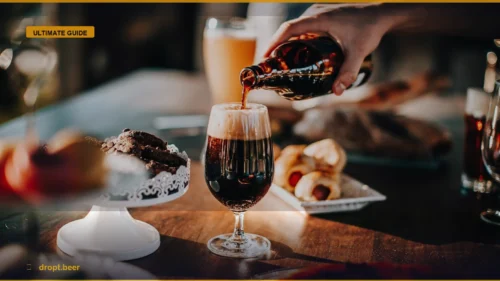
You wouldn’t drink a fine wine from a plastic cup, would you? Of course not. But the truth is, the right glassware extends far beyond mere aesthetics. It’s a powerful tool for sensory amplification, directly impacting how we perceive a beverage’s aroma, flavor, and even its texture. I’m convinced that half the magic of a superb sour beer lies in the way its delicate aromatics are presented.
The design of a glass — its bowl shape, rim diameter, and even stem length — plays a significant role. A wider bowl allows for greater aeration, letting volatile aromatic compounds “bloom,” particularly important for red wines or complex barrel-aged beers. A narrower rim, conversely, concentrates those aromas, directing them more intensely to your olfactory senses. Studies even confirm that glass shape can alter the release and concentration of aromas, influencing not just flavor but also our emotional enjoyment. It’s not just about what’s in the glass, but how the glass itself interacts with the liquid. Upgrading your home bar with engraved beer can glasses, for instance, isn’t just about style; it’s about improving your beer’s aroma and overall presentation. This thoughtful choice enhances the experience, making each sip more intentional.
The Art of Sequence: Structuring Your Sips
Have you ever considered the order in which you introduce different beverages to your palate? It’s not just a matter of personal preference; there’s a method to the madness, especially when hosting or simply enjoying a range of drinks. Our sensory receptors can be overwhelmed, or even “fatigued,” by intense flavors, dulling our ability to appreciate subsequent, more delicate notes. It’s why we take a definitive stance on whether wine or spirits should come first in your evening. Generally, starting lighter and moving heavier, or from less aromatic to more complex, preserves the integrity of your tasting journey.
Think about a crisp, dry sparkling wine as an aperitif. Its acidity cleanses the palate, preparing it for what’s to come. Following that with a robust, tannic red wine might be too jarring. Instead, perhaps a lighter white, then a medium-bodied red. Similarly, high-alcohol spirits can numb the palate, making it harder to appreciate the subtle nuances of a nuanced beer or wine later in the evening. This mindful sequencing allows each beverage to shine in its own right, preventing one from overshadowing another. It’s a simple act of consideration that yields significant rewards in sensory pleasure.
Beyond the Label: Decoding Sensory Cues
Having tasted hundreds of these, I can confidently say that the true magic of a beverage often lies in the interplay of its sensory cues. It’s not just the taste; it’s the color, the aroma, the texture, and even the story behind it. Consumers today are “thirsting for knowledge,” wanting to understand the “why” behind their drink, beyond just the “what”. This pursuit of understanding is what separates a casual sip from a truly thoughtful experience.
Consider the role of aroma. The olfactory system is intrinsically linked to our perception of flavor. A complex bouquet — whether from the esters in a Belgian ale or the fruit notes in a red wine — contributes immensely to the overall experience. This is where ingredients like orris root, often used in fragrances like Avon Attraction For Her, demonstrate how subtle aromatic profiles can elevate an experience, even in a different sensory realm. For beverages, understanding these aromatic nuances allows us to appreciate the brewer’s or vintner’s intent. Moreover, factors like color and even label descriptions can shape our expectations, influencing our perceived taste and satisfaction. It’s a fascinating dance between expectation and reality, where informed curiosity truly enhances the show. Learning to look past the label and understand the tannin, acid, and temperature that define your glass of red wine, for instance, offers practical takeaways for a richer appreciation.
The Rise of Thoughtful Consumption: Wellness, Sustainability, and Authenticity
The beverage industry in 2024-2026 is experiencing a significant pivot towards mindful drinking, driven by a growing consumer focus on health, wellness, and sustainability. It’s not just about what tastes good; it’s about what feels good, and what aligns with our values. This means a surge in low-ABV and non-alcoholic options, which saw a global growth of 9% in 2024 and are projected to surpass ale in 2025 as the second-largest beer segment. Consumers are actively seeking beverages that offer functional benefits — from adaptogens to probiotics — reflecting a desire for drinks that contribute to overall well-being.
Beyond personal wellness, there’s a palpable push for environmental responsibility. Brands that prioritize eco-friendly practices, from sustainable sourcing to reduced water usage and recyclable packaging, are resonating strongly with consumers. This isn’t a passing fad; it’s a fundamental shift in how we approach consumption. The Brewers Association, for example, notes that while craft beer volume saw a slight decrease in 2024, retail dollar sales grew by 3%, reaching $28.8 billion, partly due to enhanced onsite experiences and strategic pricing. This suggests consumers are willing to pay for quality and experience, even if they’re drinking less overall. The focus has shifted from sheer volume to meaningful engagement, celebrating the human stories behind the drinks we love.
Frequently Asked Questions
How does water chemistry specifically affect the flavor of beer?
Water chemistry profoundly impacts beer flavor through its mineral content and pH. For instance, high sulfate levels can accentuate hop bitterness and create a drier finish, ideal for IPAs. Conversely, higher chloride levels can enhance a beer’s mouthfeel and malt sweetness. The water’s pH also influences enzymatic activity during brewing, affecting sugar conversion and the overall flavor profile. Adjusting these elements allows brewers to tailor water to specific beer styles, achieving desired characteristics.
Why is the shape of a glass so important for enjoying a beverage?
The shape of a glass significantly enhances the drinking experience by influencing aroma concentration, flavor perception, and even temperature. A well-designed glass captures and channels volatile aromatic compounds to your nose, intensifying the bouquet. Different shapes direct the liquid to specific parts of your palate, highlighting certain flavor notes. For example, a wide bowl allows aeration for complex wines, while a narrow rim focuses delicate beer aromas. It’s about optimizing the sensory journey.
What does “mindful drinking” mean in today’s beverage culture?
Mindful drinking refers to a conscious and intentional approach to consuming beverages, often prioritizing quality over quantity and focusing on the sensory experience. It encompasses trends like choosing low-ABV or non-alcoholic options, seeking out products with transparent sourcing and sustainable practices, and engaging with the story behind the drink. This shift reflects a broader consumer interest in health, wellness, and making informed choices that align with personal values, fostering a deeper appreciation for each sip.
How do sensory cues, beyond taste, influence our perception of a drink?
Sensory cues like color, aroma, and even the visual presentation of a drink significantly influence our overall perception. Our eyes and nose often “taste” before our tongue does. A beverage’s color can set expectations for its sweetness or richness, while its aroma is intrinsically linked to flavor perception. A pleasant visual, combined with a compelling narrative about the drink’s origin or ingredients, can enhance enjoyment and satisfaction, proving that drinking is a multi-sensory experience.