Quick Answer
\n
Modern drinking is defined by premiumization and intentional consumption rather than volume. To drink thoughtfully, prioritize small-batch producers, understand the provenance of your ingredients, and embrace the growing category of high-quality non-alcoholic alternatives.
\n
- Seek out local independent breweries rather than national macro-brands.
- Learn to identify two specific styles of beer or spirits you love and study their production methods.
- Limit your intake by swapping every second drink for a premium non-alcoholic option.
\n
\n\n
Editor’s Note — Marcus Hale, Editor-in-Chief:
\n
I firmly believe that the most boring person in any bar is the one who orders the same mass-produced lager out of habit. What most people miss is that your glass is an opportunity to support independent craft and explore history, not just a way to catch a buzz. In my years covering this industry, I’ve found that those who treat drinking as a hobby rather than a ritual are the ones who get the most out of it. Sam Elliott knows exactly how to curate a room, and he brings that same sharp eye to this guide. Put this advice into practice at your local taproom this weekend.
\n
\n\n
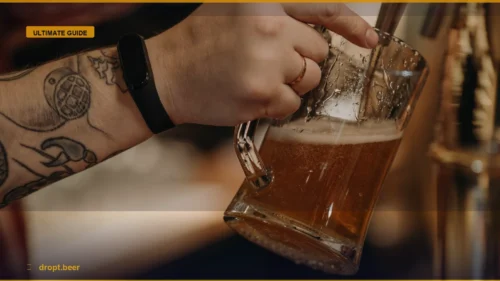
The air in the taproom is thick with the scent of crushed Citra hops and the low, rhythmic hum of a Friday night crowd. You’re leaning against the sticky mahogany of the bar, watching the bartender pull a pint of pale ale with the kind of focus usually reserved for surgeons. It’s not just beer; it’s a moment of craft. You’re here because you want more than a lukewarm pour from a neon-lit tap. You’re here because you’re starting to care about what’s actually in your glass.
Related: The Thoughtful Drinker’s Guide: Breaking Rules
\n\n
The golden age of mindless consumption is over. The new standard isn’t about how much you can drink, but how much you can appreciate. We are moving toward a culture of intentionality, where the story behind the bottle matters as much as the liquid inside. If you want to drink like you actually give a damn, you have to stop following the herd and start following the flavor.
\n\n
The Myth of the “Safe Choice”
\n
Most drinkers cling to the familiar because they’re afraid of wasting money on a pint they might not like. But playing it safe is the fastest way to kill your palate. According to the BJCP (Beer Judge Certification Program) guidelines, understanding the nuances of a style—like the difference between a West Coast IPA’s sharp bitterness and a New England IPA’s soft, juicy mouthfeel—is the first step toward true appreciation. When you stop ordering the “safe” option, you open yourself up to the complexity that brewers work so hard to create.
\n
Take a look at the tap list at a place like Moon Dog in Melbourne. It’s an assault on the senses in the best way possible. They aren’t making beer for the masses; they’re making it for the curious. If you’re sticking to the same macro-lager you’ve had for a decade, you’re ignoring the innovation happening in your own backyard. You need to treat your drinking life like a library—constantly adding new volumes, not just re-reading the same cheap paperback.
\n\n
Understanding Provenance and Process
\n
You don’t need a degree in fermentation science to be a thoughtful drinker, but you do need to ask questions. Where did this grain come from? How long was this spirit aged? The Brewers Association notes that the rise of independent craft breweries has shifted the power back to the consumer, but only if that consumer knows what to look for. Don’t just look for a fancy label. Look for the “Independent Craft” seal or ask the server about the brewery’s sourcing.
\n
When you understand the labor behind the liquid, the experience changes. A cocktail made with a spirit distilled from local agave tastes different than one made with a mass-produced alternative because it carries the DNA of a specific place and time. It’s a sensory map. When you drink, you’re tasting the soil, the water, and the specific choices made by a human being who put their reputation on the line to fill that bottle.
\n\n
The Case for Less, But Better
\n
The “less but better” mantra isn’t just a health kick; it’s a way to maximize your enjoyment. If you know you’re going to have two drinks, why would you waste those slots on something forgettable? The most thoughtful drinkers I know are the ones who are perfectly comfortable nursing a single, exceptional glass of barrel-aged stout for an hour. They aren’t looking for a quick fix.
Related: Drink Better, Not More: The New
\n
This shift toward quality has also paved the way for the non-alcoholic revolution. We aren’t talking about watered-down soda here. We’re talking about sophisticated, botanically driven spirits and craft NA beers that actually stand up to scrutiny. A great drinking culture is inclusive. It allows for the person who isn’t drinking alcohol to have an experience just as elevated as the person drinking a triple-IPA. If your social circle doesn’t support that, it’s time to find a better bar.
\n\n
Building Your Own Personal Canon
\n
You’ll never know what you truly like until you start keeping track. I recommend a simple notebook or a dedicated app. Don’t just rate things on a scale of one to five. Write down the smell—is it pine, citrus, or something earthy? How did it feel in your mouth? By documenting your experiences, you turn a night at the bar into a masterclass. You stop being a passive consumer and become an active participant in your own taste development.
\n
The next time you’re out, ask the bartender for a recommendation based on what you usually drink, but add a caveat: “I want something that challenges that preference.” This is how you find your new favorite style. It’s how you move from being a beginner to an industry veteran. Your glass is a portal to the world—don’t treat it like a chore. Keep exploring, keep questioning, and keep checking back in with us at dropt.beer for the next step in your evolution.
\n\n
Your Next Move
\n
Stop settling for the default tap and start building your own personal flavor profile through deliberate, small-batch exploration.
\n
- \n
- [Immediate — do today]: Visit a local independent bottle shop and buy two single cans of a style you have never tried before.
- [This week]: Visit a brewery or bar known for its rotating tap list and ask the staff to explain the difference between two contrasting beer styles they currently serve.
- [Ongoing habit]: Keep a simple tasting journal to record the producer, style, and one specific sensory note for every new drink you try.
\n
\n
\n
\n
\n\n
\n\n
Frequently Asked Questions
\n
How do I know if a beer is truly “craft”?
\n
Look for the Independent Craft Brewer seal on the packaging. More importantly, verify the ownership. Many brands that appear “craft” are actually owned by massive global conglomerates. Visit the brewery’s website and check their “About” page to see if they are independently owned and operated, which typically indicates a commitment to traditional brewing methods rather than mass-market efficiency.
\n
\n
\n
Is it snobby to ask for a specific glass for my beer?
\n
Not at all. Glassware is designed to direct aroma to your nose, which accounts for the vast majority of what we perceive as flavor. A tulip glass traps the volatile aromatics of a complex IPA or a Belgian ale, while a heavy shaker pint actually dissipates them. Asking for the right glass shows you respect the brewer’s intent.
\n
\n
\n
How can I improve my palate without spending a fortune?
\n
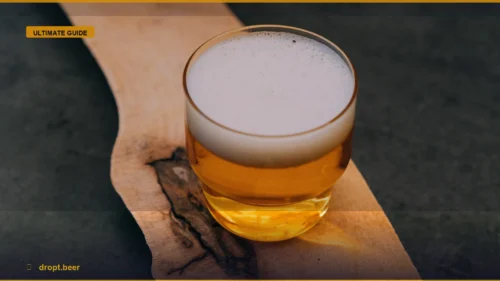
Focus on flights. Most quality bars offer tasting paddles that allow you to sample four or five different styles for the price of one full pint. This provides a side-by-side comparison that is far more educational than drinking a full glass of one thing. Also, try “tasting” your drinks—take smaller sips and hold the liquid in your mouth briefly to identify specific notes.
\n
\n
\n
\n