Quick Answer
A pomegranate mocktail isn’t a consolation prize; it’s a sophisticated, acid-forward drink that commands respect at any bar. The winner for complexity is a shaken pomegranate-lime base topped with high-quality sparkling mineral water and a savory garnish.
- Use 100% pure pomegranate juice to ensure the tannins hold up against dilution.
- Always shake with ice to achieve a professional, chilled mouthfeel before topping.
- Upgrade your garnish to a smoked salt rim or fresh herbs like rosemary to add aroma.
Editor’s Note — Diego Montoya, Beer & Spirits Editor:
I firmly believe that if a non-alcoholic drink doesn’t have the same structural complexity as a great craft beer, it’s just fruit juice for children. What most people miss is that the secret isn’t the base—it’s the interplay between acidity and aromatics. I chose Sam Elliott to write this because he understands that a bar is about the ritual of the glass, not just the ABV. In my years covering global bar culture, I’ve seen too many ‘mocktails’ fall flat; follow Sam’s lead to ensure your next alcohol-free night is actually worth the effort. Go stock your bar with real juice today.
The Art of the Zero-Proof Ritual
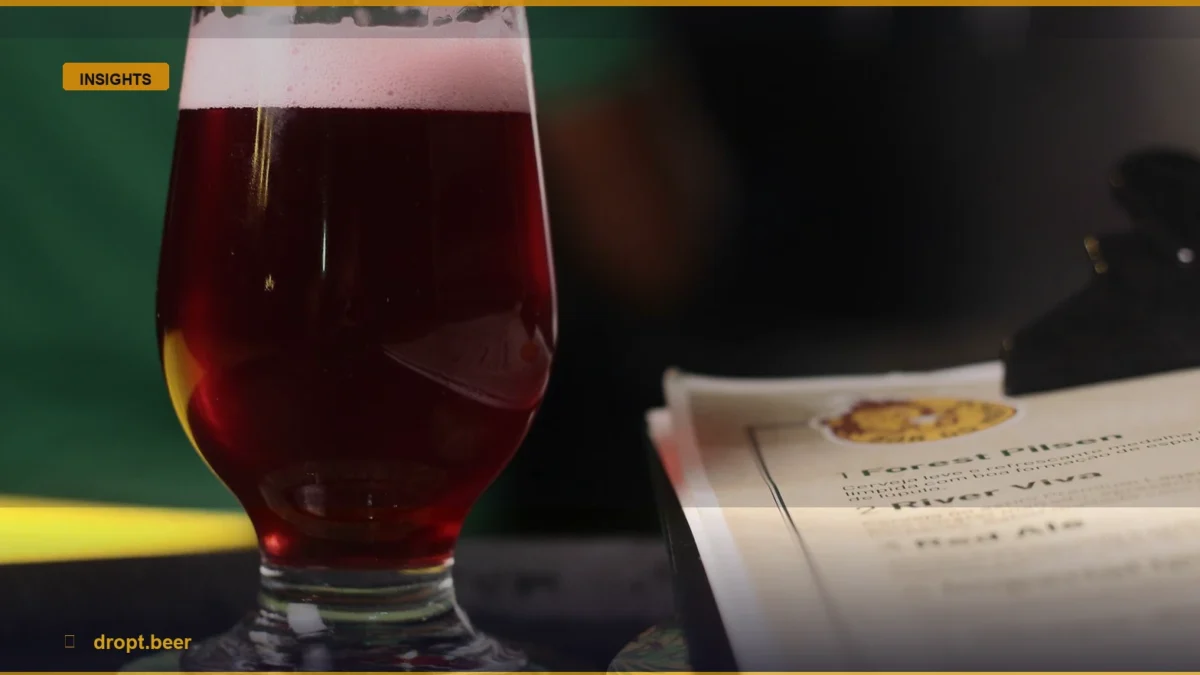
The lights are dimmed low, the soundtrack is that perfect mix of late-night jazz and low-fi beats, and the bartender is busy working a shaker with the kind of focus usually reserved for surgeons. You’re at the bar, but you’re not drinking beer. Maybe you’ve got an early start tomorrow, or perhaps you’re just taking a break from the hops. Whatever the reason, the goal remains the same: you want a drink that feels like an event. That’s where the pomegranate mocktail earns its keep.
Forget the sugary, neon-colored fruit punches of your youth. A truly great pomegranate mocktail is a masterclass in balance, designed for people who actually like the taste of what they’re drinking. It’s an exercise in acidity, texture, and aroma. When done right, it offers a tannic structure that can stand toe-to-toe with a tart Gose or a light-bodied Saison. It doesn’t apologize for being non-alcoholic, and neither should you.
Why Pomegranate Wins the Glass
If you look at the BJCP guidelines for fruit beers, you’ll notice a recurring theme: the fruit must complement, not overwhelm, the base. The same logic applies here. Pomegranate juice is a powerhouse of flavor. It brings a natural astringency and a deep, ruby-red color that looks incredible in a crystal highball. Unlike apple or orange juice, which can feel flat and one-dimensional, pomegranate has enough grit to make your palate pay attention.
According to the Oxford Companion to Beer, tannins—the compounds that give wine and some beers their drying sensation—are essential for a ‘grown-up’ flavor profile. Pomegranate provides this in spades. It’s the closest thing you’ll get to the ‘bite’ of a fermented beverage without a single drop of ethanol. When you combine that with a sharp hit of fresh lime, you’re creating a profile that feels intentional, not like an afterthought.
The Chemistry of the Perfect Pour
You can’t just dump juice into a glass and call it a day. That’s a mistake that turns potential craft into a glorified juice box. You need to treat this like you’re pulling a draft pour. Start with 2 ounces of 100% pure, unsweetened pomegranate juice. Add 1 ounce of fresh-squeezed lime juice—don’t use the bottled stuff, as the preservatives will ruin the brightness—and a half-ounce of agave syrup. The agave isn’t just for sweetness; it’s for body. It helps the drink coat your mouth instead of sliding right off.
Shake it. Seriously, shake it like you’re mixing a classic daiquiri. You want to aerate the liquids and chill them to the point where the glass frosts over. After ten seconds, strain the mixture into a highball glass filled with fresh ice cubes. Top it with 3 ounces of high-quality sparkling mineral water. The bubbles are the final piece of the puzzle, lifting the pomegranate aromatics to your nose before you even take a sip.
Elevating the Experience
If you want to move from ‘mocktail enthusiast’ to ‘bar-stool pro,’ you have to think about the garnish. A sprig of slapped rosemary or a few fresh pomegranate arils aren’t just for the Instagram shot—they provide an aromatic baseline that defines the first impression. I’ve seen bartenders at spots like Melbourne’s best late-night haunts use a rim of smoked sea salt and beetroot powder to add a savory, earthy dimension. It transforms the drink from ‘sweet’ to ‘complex.’
Don’t be afraid to experiment with heat. A thin slice of fresh jalapeño added to the shaker brings an oiliness and spice that completely changes the trajectory of the drink. It forces you to slow down and sip. It turns the act of drinking into an experience, which is exactly why we go to bars in the first place. You’re not just hydrating; you’re engaging with the flavor, the temperature, and the craft. At dropt.beer, we believe that’s the sign of a thoughtful drinker, regardless of what’s in the glass.
Your Next Move
Commit to building one proper, ingredient-focused non-alcoholic drink this weekend to see how much nuance you can actually achieve.
- Immediate — do today: Buy a bottle of 100% pure pomegranate juice and a bag of fresh limes from a local market.
- This week: Purchase a bottle of high-quality mineral water (like Perrier or San Pellegrino) to ensure the carbonation is crisp.
- Ongoing habit: Always keep a small jar of fresh herbs or a simple syrup in your fridge to add depth to your zero-proof experiments.
Frequently Asked Questions
Can I use pomegranate concentrate instead of juice?
Avoid concentrates. They are often boiled down, which kills the bright, acidic notes that make pomegranate interesting. Stick to cold-pressed, 100% pure juice to maintain the flavor profile that allows for a complex, bar-quality mocktail.
How do I make a mocktail feel less like ‘juice’?
The trick is texture and acidity. Use fresh lime juice to cut the sugar, add a small amount of agave or simple syrup for body, and always shake with ice to create proper dilution. Finally, use a savory or herbaceous garnish like rosemary or sea salt to add aromatic complexity.
Should I drink this alongside a beer?
Yes, if you’re pacing yourself. Start with the pomegranate mocktail. Its high acidity will prime your palate, making the malt-forward flavors of a subsequent craft beer feel more pronounced and interesting. Don’t mix them in the same glass, though—that’s a waste of good beer.
What’s the best garnish for pomegranate?
Fresh rosemary is the gold standard because its piney, resinous notes pair perfectly with the tartness of the juice. If you want to lean into the savory side, a smoked sea salt rim is excellent, as the salt enhances the fruit’s natural sweetness while adding a sophisticated, campfire-like aroma.