Quick Answer
Stop searching generic terms and start looking for venues that host dedicated classes or live music nights to ensure the crowd is there for the rhythm, not just the drinks. Prioritize clubs that balance authentic music programming with high-quality cocktail menus.
- Search by specific dance style like ‘salsa’ or ‘bachata’ to filter out generic bars.
- Check social media location tags for current crowd density and dress code.
- Arrive early for the instructional hour to break the ice and gauge the venue’s culture.
Editor’s Note — Priya Nair, Features Editor:
I firmly believe that a Latin club lives or dies by its beverage program, yet most people settle for syrupy, pre-mixed nonsense that ruins the night. If a venue can’t respect a balanced Mojito or a clean Caipirinha, they likely don’t respect the music or the dance floor either. What most people miss is that the bar is the heart of the social ecosystem in these clubs. Lena Müller brings a necessary rigor to this, applying her precision-focused German brewing background to analyze how these venues actually operate. Stop settling for mediocre drinks and start choosing venues that care about their craft.
The smell hits you before the door even opens. It’s a humid mixture of high-proof rum, lime zest, and the faint, unmistakable scent of floor wax and sweat. Inside, the bass doesn’t just play; it vibrates through the floorboards, demanding that you stop thinking and start moving. For the uninitiated, a Latin nightclub is a chaotic blur. For those who know, it’s a highly structured performance art where the beverage in your hand is just as important as the footwork on the floor.
You shouldn’t wander into a Latin club based on a generic search result. Most “nightlife” lists are SEO-driven fluff that prioritizes bottle service over actual dance culture. To find a venue worth your time, you must stop treating these clubs like standard bars and start treating them like the cultural institutions they are. A proper Latin club provides a space where the DJ’s selection of salsa dura or bachata sensuality is matched by a bartender who understands the importance of fresh acidity and balance in a drink.
Looking Beyond the Search Engine
The standard “near me” search is where your night goes to die. If you’re relying on Google Maps star ratings, you’re looking at opinions from people who likely care more about the velvet rope than the clave rhythm. Instead, you need to look for evidence of community. According to the WSET guidelines for hospitality, a high-quality venue is defined by its consistency and the staff’s engagement with the product. If a club doesn’t list its resident DJs or upcoming live bands, it’s not a Latin club; it’s a nightclub that occasionally plays reggaeton to fill the room.
Search for specific dance styles. If you want to dance, you want a venue that schedules lessons before the main event. This is your filter. A venue that invests in instructors is a venue that cares about the quality of the floor. When you find a spot that offers a Wednesday night salsa class, you’ve found a venue that is serious about its craft. These are the places that generally treat their bar program with the same level of care.
The Importance of the Bar Program
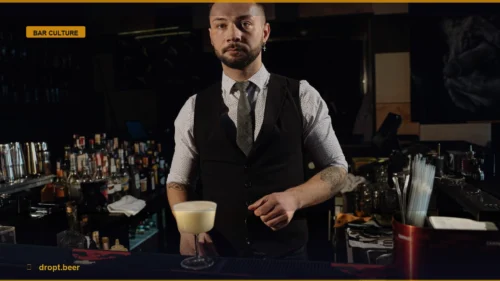
A good Mojito is a test of character for any bartender. It requires fresh mint, real lime juice, and a rum that can hold its own against the citrus. If you walk into a Latin club and see a bartender reaching for a neon-green sour mix, leave immediately. The BJCP guidelines for beer and spirits emphasize the importance of fresh ingredients, and this applies to the high-energy environment of a club just as much as a quiet pub.
I’ve visited venues like La Cosecha in various cities, and the best ones share a common trait: they support local suppliers. They aren’t just pouring bottom-shelf spirits to maximize margins. They’re highlighting local craft beers that pair with the heat of the food and the rhythm of the music. You should be looking for a menu that lists specific rums, tequilas, or at least a rotating tap list of local lagers that offer a clean, crisp finish to cut through the humidity of the dance floor.
Vibe Checks and Digital Intel
Before you commit to a night out, use Instagram location tags. Ignore the professional promotional photos; look for the stories posted by actual patrons in the last 48 hours. Does the crowd look like they’re dancing, or are they standing in a dark corner holding warm beers? A vibrant Latin club is defined by the density of the dance floor, not the bottle service tables.
Pay attention to the sound quality in the background of these videos. If the music sounds distorted or overly compressed, you’re going to have a headache within an hour. You want a venue that understands audio fidelity. The best clubs treat their sound system with as much reverence as a German bierhall treats its glassware—it’s about the experience, and the experience is ruined if the sound is muddy.
The Etiquette of the Floor
Once you’re there, you have to contribute to the culture. If you’re not a seasoned dancer, take the lesson. It’s the fastest way to earn respect from the regulars. It also gives you a chance to see how the staff interacts with the crowd during a lower-pressure period. If the instructors are professional, the bartenders are usually attentive and the security is respectful.
At dropt.beer, we believe that drinking is an active pursuit. It requires curiosity and a willingness to step outside your comfort zone. Whether you’re sipping a crisp lager between sets or enjoying a properly shaken Daiquiri, your choice of venue should be intentional. Find the places that honor the traditions of the music and the craft of the drink, and you’ll find the best night of your week.
Your Next Move
Audit your local nightlife scene by identifying one venue that hosts live music or lessons, then visit during their early-evening instructional block.
- Immediate — do today: Search Instagram for your city’s local salsa or bachata community hashtags to identify the hubs where the real dancers congregate.
- This week: Visit one of these identified venues during a weekday class to observe the bar service and floor energy before committing to a busy Friday night.
- Ongoing habit: Whenever you try a new cocktail at a dance venue, ask the bartender about their rum selection to gauge if they prioritize quality ingredients over convenience.
Frequently Asked Questions
How do I know if a Latin club is actually authentic?
Look for a consistent schedule of dance lessons and live music. Authentic venues prioritize the dance floor culture over bottle service and VIP tables. If the venue hosts regular classes for beginners, it shows a commitment to the community rather than just selling drinks to a transient crowd.
What should I wear to a Latin club?
Aim for ‘smart-casual’ that allows for movement. Avoid restrictive clothing or overly casual gym sneakers. Most clubs have an elevated dress code after 10 PM. Comfort is key because you will be moving, but looking polished is part of the respectful atmosphere that many Latin venues cultivate.
Is it okay to go to a Latin club if I don’t know how to dance?
Absolutely. Most Latin clubs are incredibly welcoming to beginners, especially if you arrive during the early evening lesson. Participating in the lesson is the best way to integrate into the crowd, meet people, and learn the basic steps before the music tempo increases later in the night.
How can I tell if the bar service is good before I buy a drink?
Observe the bartenders during a rush. Are they using fresh ingredients like real lime juice and mint, or reaching for pre-made mixers? A good bartender in a high-energy club will still prioritize balance. If you see high-quality, recognizable spirits on the back bar rather than just ‘well’ brands, that is a strong indicator of a quality-focused program.