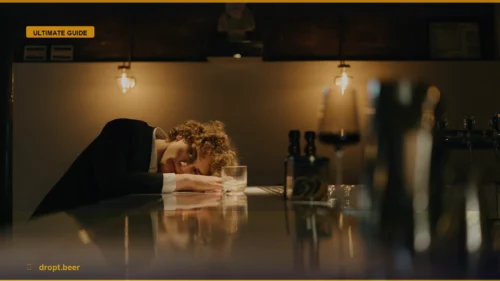
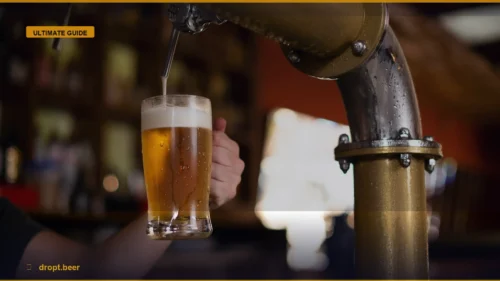
Mindful drinking is a global movement transforming how we engage with beverages, shifting focus from mere consumption to intentional appreciation. Driven by a heightened awareness of health, wellness, and personal values, this trend sees consumers, particularly younger generations like Gen Z, making conscious choices about what, when, and how they drink. This includes embracing a diverse range of non-alcoholic and low-ABV options, prioritizing quality ingredients, understanding caloric content, and seeking out authentic, enriching experiences over excessive indulgence. It’s about savoring flavors, connecting with culture, and making informed decisions that align with a balanced lifestyle, rather than simply abstaining.
The clinking of glasses, the shared laughter, the quiet contemplation over a perfectly brewed cup—drinking, in all its forms, is woven into the very fabric of human culture. But lately, something profound is happening. We’re not just drinking; we’re drinking thoughtfully. This topic is close to my heart because I passionately believe that every sip should be an experience, a deliberate choice that enriches our lives, not detracts from them.
For too long, the narrative around beverages, especially alcoholic ones, has been about quantity or simply chasing a buzz. Yet, a seismic shift is underway, moving us towards what I call the “Mindful Sips” era. It’s a celebration of intentionality, a recognition that what we pour into our glasses can reflect our values, our health, and our desire for genuine connection. This isn’t just a fleeting trend; it’s a fundamental reshaping of our drinking culture, and it’s happening right now, across the globe. We’re seeing consumers — from curious beginners to industry veterans — asking deeper questions about their drinks, seeking out authenticity, and demanding options that align with a more balanced lifestyle.
I find it incredibly exciting to witness this evolution. It’s about appreciating the craft, understanding the ingredients, and recognizing the cultural stories behind each drink. It’s about elevating every moment, whether it’s a quiet evening at home or a vibrant social gathering. And trust me, it opens up a whole new world of delicious possibilities.
The Rise of Intentional Sips: Why Mindful Drinking is Now Mainstream
The shift towards mindful drinking isn’t just buzz; it’s a bona fide revolution. People are genuinely rethinking their relationship with alcohol, driven by a powerful confluence of health awareness, personal wellness, and a desire for more authentic experiences. This isn’t about puritanical abstinence, but about making deliberate, informed choices. Global data paints a clear picture: mindful drinking is no longer a niche concept, but a mainstream movement that’s here to stay, with consumers prioritizing health, wellness, and conscious consumption.
Perhaps no demographic embodies this change more profoundly than Gen Z. They are, without a doubt, the “sober curious” generation, leading the charge away from traditional drinking norms. A recent report by Alcohol Help in June 2025 noted that Gen Zers drink, on average, 20% less than millennials, who also drink less than older generations. Nearly two-thirds of Gen Z non-drinkers have never consumed alcohol, and a significant portion doesn’t plan to ever start. Why the pivot? Many point to a heightened awareness of mental health — 58% of Gen Z cited mental health as a reason to abstain from alcohol in a December 2024 NCSolutions survey — and a desire for meaningful social interactions without the downsides of overindulgence. They’re seeking quality over quantity, authentic connections over forced revelry. It’s a powerful stance, and it’s reshaping the entire beverage industry, pushing brands to innovate and cater to a more discerning palate.
This generational shift has fueled an incredible surge in the no- and low-alcohol (NoLo) market. The global non-alcoholic beverage market is projected to reach an astounding $43 billion by 2030, according to a recent market report. We’re talking about innovation — non-alcoholic spirits, zero-proof cocktails, and alcohol-free wines that deliver complexity and depth, rivaling their alcoholic counterparts. The no- and low-alcohol beer, wine, and spirits market is projected to increase at a 4% compound annual growth rate (CAGR) between 2024 and 2028, with the non-alcoholic market growing even faster at a 7% CAGR during the same period. This isn’t about compromise; it’s about expansion, offering a diverse array of sophisticated options for those who choose to moderate or abstain. It’s a testament to how consumers are demanding better, more thoughtful choices — and the industry is responding with creativity.
Beyond the Buzz: Understanding What’s in Your Glass
True mindful drinking extends far beyond simply choosing a non-alcoholic option; it’s about a deep understanding of what you’re consuming. It’s about becoming a detective, if you will, for your own well-being. This means paying attention to everything from ingredients to caloric content — a topic that, frankly, doesn’t get nearly enough attention. I find it astonishing how many people are unaware of the significant caloric contribution alcohol makes to their diet. Alcohol is calorie-dense, packing in about seven calories per gram, nearly as much as fat, and these are often “empty calories” offering no nutritional benefit.
Consider the humble glass of wine. What is a standard glass of wine? You’re probably pouring too much. The reality is, a standard pour is often smaller than what many of us assume, and those extra milliliters add up, both in terms of alcohol content and calories. A survey of over 2,000 UK adults in 2014 showed that more than 80% underestimated the calories in a large glass of wine, highlighting a widespread knowledge gap. Similarly, when we talk about vodka calories, the truth about your pour can be quite eye-opening. Many assume clear spirits are “skinny,” but depending on mixers and portion sizes, they can contribute significantly to daily caloric intake.
This lack of awareness is precisely why there’s a growing call for clearer labeling on alcoholic beverages. A UCL study found that 46.4% of alcohol consumers would change their drinking habits if calorie labeling were introduced, with “hazardous” drinkers being even more likely to make changes. Imagine the power of knowing exactly what you’re drinking — not to dictate your choices, but to empower them. It’s about taking control, making conscious decisions that align with your health goals, and truly enjoying your drink without unnecessary guilt or surprise. This is where mindful consumption truly shines, transforming a simple beverage into a tool for personal well-being.
A World of Flavors: Cultural Nuances and Elevated Experiences
Mindful drinking isn’t just about what you avoid; it’s profoundly about what you embrace. This means diving deep into the rich tapestry of global drinking cultures, savoring unique flavors, and seeking out truly elevated experiences. I find that this focus on quality and authenticity is one of the most exciting aspects of the thoughtful drinking movement. It’s about respecting the craft, the ingredients, and the traditions that make each drink special.
Take, for instance, the art of pairing. Anyone who’s explored tequila mixers knows that elevating your agave experience is about more than just lime and salt. It’s about understanding the spirit’s nuances, its earthy, peppery, or even floral notes, and finding a partner that complements, rather than overwhelms. This meticulous approach to flavor is mirrored in broader trends, where consumers are increasingly seeking premium-and-above products. Even with a global decline in total beverage alcohol volumes in 2024, premium-and-above volumes (excluding national spirits) grew by 3%, largely driven by beer, demonstrating a clear shift towards “drinking less, but drinking better.”
This pursuit of quality and experience also extends to where we choose to drink. It’s not just about any bar; it’s about finding places that offer genuine character and exceptional offerings. When I think of “destination drinking,” I often think of places like Melbourne. The honest truth about Melbourne pubs, for example, is that spotting a genuine local institution amidst the tourist traps requires a keen eye for authenticity. These are the places where the beer is poured with pride, the atmosphere is electric, and the stories flow as freely as the drinks. It’s about immersive, multi-sensory experiences — a trend that Bacardi’s 2025 Cocktail Trends Report noted with a 150% spike in Google searches for “pop-up bar” and a 54% increase for “immersive bar” in late 2024. Bars are becoming destinations, curated spaces where the beverage is just one part of a larger, memorable moment.
And it’s not just about alcoholic beverages. The same principles of appreciation apply to all sensory experiences. Understanding the complex layers of a fragrance, like Amouage’s Vanilla Barka Amouage, a masterclass in olfactory complexity, teaches us to pay attention, to truly “taste” with our noses. This holistic approach — from the scent of a vanilla pod to the perfect tequila sunrise — enhances our overall enjoyment and deepens our connection to the world around us. It’s about slowing down, engaging our senses, and finding joy in the intricate details.
Crafting Your Own Culture: Practical Steps to Thoughtful Drinking
So, how do we translate this philosophy of mindful sips into our daily lives? It isn’t about rigid rules; it’s about cultivating a more conscious and enjoyable relationship with what we drink. I passionately believe that everyone can craft their own thoughtful drinking culture, one that aligns with their personal values and enhances their well-being. The beauty of this movement is its flexibility — it empowers you to be the expert of your own glass.
First, embrace the incredible diversity of options available today. The no- and low-alcohol sector isn’t just growing; it’s exploding with innovation. You’ll find everything from sophisticated alcohol-free spirits that mimic the complexity of gin or whisky to craft non-alcoholic beers that offer all the flavor without the ABV. Don’t think of these as “alternatives” but as exciting categories in their own right. Experiment with new brands, explore different flavor profiles, and discover how delicious and satisfying a sober sip can be. Many brands are now crafted with the same care and attention to detail as premium alcoholic beverages.
Next, become a label reader. Just as you check the ingredients in your food, start paying attention to what’s in your drinks. Look for lower sugar options, understand the alcohol by volume (ABV), and be mindful of serving sizes. This knowledge is power, allowing you to make choices that support your health goals. Remember, a single gram of alcohol contains seven calories, and these can add up quickly. Being aware helps you enjoy your chosen drink without any unwelcome surprises.
Finally, make every drinking occasion an experience. Whether you’re at home or out with friends, slow down. Savor the aromas, appreciate the flavors, and engage in genuine conversation. Think about the cultural significance of drinking — from ancient rituals fostering community to modern social lubrication. Many cultures, like those in Italy and France, integrate alcohol into meals and social activities in moderation, focusing on enjoyment and connection rather than intoxication. This approach can transform drinking from a habit into a cherished ritual. It’s about creating moments, not just consuming liquids. This intentionality is where the true magic of mindful drinking lies, enriching your life one thoughtful sip at a time.
Frequently Asked Questions
What does “mindful drinking” actually mean?
Mindful drinking means making intentional choices about your alcohol consumption, focusing on quality over quantity and being aware of the effects on your body and mind. It’s about savoring the experience, understanding ingredients, and aligning your drinking habits with your health and wellness goals. This can involve reducing intake, exploring non-alcoholic options, or simply paying closer attention to each sip. It’s a personalized approach to enjoying beverages responsibly.
Why are younger generations drinking less alcohol?
Younger generations, particularly Gen Z, are consuming less alcohol due to increased awareness of health risks, a focus on mental well-being, and a preference for authentic social experiences without alcohol. They are often described as “sober curious” and actively seek out non-alcoholic alternatives and venues. This shift is also influenced by a desire for greater control over their health and a rejection of traditional drinking pressures.
How big is the market for non-alcoholic beverages?
The market for non-alcoholic beverages is experiencing significant growth. The global non-alcoholic beverage market is projected to reach $43 billion by 2030. The no- and low-alcohol beer, wine, and spirits market is expected to increase at a 4% compound annual growth rate (CAGR) between 2024 and 2028, with the non-alcoholic segment growing even faster at a 7% CAGR during the same period. This growth reflects increasing consumer demand for healthier and more diverse drink options.
Do alcoholic drinks contain a lot of calories?
Yes, alcoholic drinks can be quite calorie-dense. Alcohol itself provides about seven calories per gram, which are considered “empty calories” as they offer no nutritional value. The total calorie count in a drink can also increase significantly due to added sugars, mixers, and larger serving sizes. Many consumers underestimate the caloric content of their alcoholic beverages, contributing to a “forgotten cost” of alcohol consumption.
How do cultural traditions influence drinking habits?
Cultural traditions profoundly shape drinking habits, ranging from celebratory toasts in Western societies to communal “nomikai” in Japan. Historically, alcohol has played significant social, political, and religious roles, often fostering community and connection. Some cultures promote moderation by integrating alcohol into meals, while others may normalize heavier consumption. Understanding these cultural nuances helps us appreciate the diverse ways people interact with beverages globally.
Was this article helpful?