Quick Answer
A standard glass of wine is exactly five ounces (150ml). Most home pours and restaurant servings are significantly larger, meaning you are likely drinking 1.5 to 2 servings in a single glass.
- Use a jigger or measuring tool to calibrate your home glassware.
- Check the ABV; high-alcohol wines (15%+) require smaller pours to stay within a standard serving.
- Switch to smaller, properly sized stemware to avoid the urge to ‘fill the bowl.’
Editor’s Note — Priya Nair, Features Editor:
I firmly believe that the ‘standard pour’ is the most misunderstood metric in drinking culture. We treat wine like a bottomless well, ignoring the math that keeps an evening enjoyable rather than regrettable. What most people miss is that wine isn’t just a beverage; it’s a controlled experience, and by over-pouring, you’re killing the aromatics and the balance. Charlie Walsh brings something special here because he treats the humble home pour with the same rigor as a cellar master. Stop guessing at your volumes and start measuring your pours tonight.
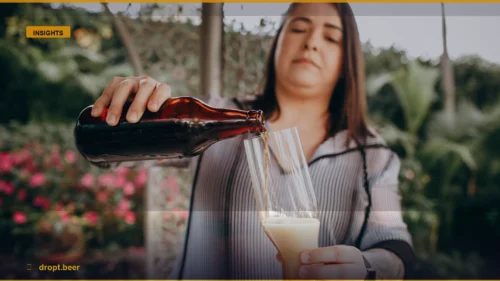
The sound is unmistakable. It’s the sharp, rhythmic glug-glug-glug of a bottle being upturned over a large, balloon-shaped glass. It feels generous. It feels like a Tuesday night treat. But if you’re standing in your kitchen, swirling that glass while you wait for the pasta water to boil, I’m willing to bet you’ve already poured yourself nearly two full servings of wine.
The truth is, our perception of a ‘glass’ has been warped by the size of our modern glassware. We’ve drifted so far from the reality of a standard measure that we’ve lost track of what we’re actually consuming. If you want to drink thoughtfully, you have to start by acknowledging that your favorite oversized stemware is a trap. It encourages you to pour until the wine reaches that aesthetically pleasing ‘widest point’ of the bowl, which usually lands you somewhere between seven and nine ounces. That isn’t a glass. That’s a double.
According to the National Institute on Alcohol Abuse and Alcoholism, a standard drink in the United States contains about 14 grams of pure alcohol. For wine, that translates to five fluid ounces at roughly 12% ABV. The BJCP guidelines and various international standards largely align with this, acknowledging that 150 milliliters (or five ounces) is the baseline for health, moderation, and—more importantly—sensory enjoyment. When you exceed this, you aren’t just increasing your intake; you’re changing the temperature and oxygenation rate of the wine, often to its detriment.
Think about the last time you opened a bottle of high-octane Napa Cabernet. Those bottles often hover around 15% ABV. If you pour a ‘standard’ five-ounce glass, you’re already consuming significantly more ethanol than you would with a crisp, 11% ABV Muscadet. The math is simple, but we rarely apply it. If the wine is stronger, the pour should be smaller. It’s a basic principle of balance that most home drinkers ignore entirely in favor of the ‘fill it to the curve’ method.
There is also the issue of the vessel itself. We have been conditioned by marketing to believe that a larger bowl allows the wine to ‘breathe.’ While aeration is a real thing, it doesn’t require a swimming pool of liquid. Using a massive glass for a daily pour creates a disconnect between the volume of the wine and the size of the container. When you use a smaller, appropriately sized glass, you force yourself to be intentional. You pour less, you sip more deliberately, and you keep the wine at the proper temperature for longer. It prevents that sad, lukewarm finish that happens when you’ve let a massive pour sit for thirty minutes.
If you really want to know what you’re drinking, don’t trust your eye. Trust a measure. Buy a cheap stainless steel jigger—the kind you’d use for cocktails—and actually measure five ounces into your glass. You will be shocked by how little it looks. It’s a humbling exercise, but it’s the only way to reset your internal barometer. Once you see the difference, you won’t go back to guessing. You’ll be able to tell at a glance if a restaurant is serving you a fair pour or a stingy one, and you’ll be able to manage your own cellar with the precision of a professional.
Ultimately, drinking thoughtfully at dropt.beer isn’t about restriction; it’s about awareness. When you control the pour, you control the experience. You stop mindlessly emptying the bottle and start engaging with the nuances of the vintage. Grab a jigger, calibrate your glasses, and treat that five-ounce mark as the gold standard it is.
The Verdict: The 5-Ounce Standard
Our Pick: The 5-Ounce Pour — This is the objective gold standard for health, palate fatigue, and bottle longevity; it ensures you get exactly five servings from a standard 750ml bottle.
The ‘free-pour’ is only a smarter call if you are hosting a large party and want to prioritize hospitality speed over precise alcohol tracking.
| Factor | 5-Ounce Standard | The ‘Free-Pour’ |
|---|---|---|
| Accuracy | High | Non-existent |
| Flavour Intensity | Consistent | Diluted by oxygen exposure |
| Versatility | Works for all ABV | Dangerous with high-ABV |
| Who it suits | Thoughtful drinkers | Casual/unaware drinkers |
Bottom line: If you aren’t measuring your wine, you aren’t actually drinking a glass; you’re just guessing.
Frequently Asked Questions
Does the size of the glass change the serving size?
No. A standard serving of wine is defined by volume and alcohol content, not the capacity of the vessel. Whether you use a tiny vintage glass or a massive modern bowl, five ounces remains the standard. Using a larger glass often tricks the brain into over-pouring to make the glass look ‘full,’ which is why smaller stemware is often better for portion control.
How should I adjust my pour for high-alcohol wines?
If a wine exceeds 14% or 15% ABV, you should reduce your pour volume to roughly four ounces. The goal is to maintain a consistent intake of ethanol. By reducing the volume for high-octane reds, you keep your total alcohol consumption in line with the standard five-ounce serving of a 12% ABV wine, preventing rapid intoxication and palate fatigue.
Why does the restaurant industry pour more than five ounces?
Restaurants often pour six ounces or more to provide a perceived sense of value. In a competitive market, a ‘generous’ pour is a common tool for customer satisfaction. However, this is a marketing choice, not a standard of measurement. Always assume a restaurant pour is likely larger than the health-recommended standard, and adjust your evening intake accordingly.
Is there a benefit to using smaller glasses at home?
Absolutely. Smaller glasses prevent you from over-pouring, keep the wine at a cooler temperature for longer, and concentrate the aromatics. Large glasses often cause wine to warm up and lose its nuance before you can finish it. By using a glass that fits a standard five-ounce pour, you ensure that every sip remains fresh and within your intended consumption limits.