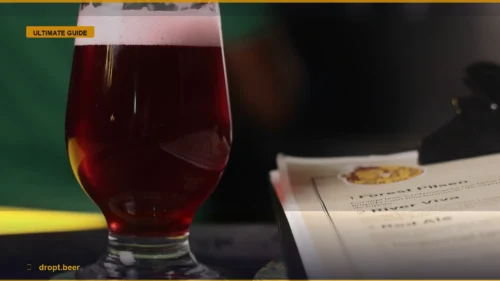
Quick Answer
Stop using pre-made sugary mixers and start building drinks with tannins, acids, and aromatics. A great non-alcoholic drink isn’t a diluted juice; it’s a balanced composition that mimics the mouthfeel and complexity of a cocktail.
- Use loose-leaf tea or shrubs to provide the structural bitterness usually provided by spirits.
- Replace refined syrups with house-made honey, agave, or maple reductions infused with woody spices.
- Always use high-quality glassware—if it looks like a soft drink, you’ll treat it like one.
Editor’s Note — Diego Montoya, Beer & Spirits Editor:
I firmly believe the term “mocktail” is a patronizing relic that insults the intelligence of anyone looking for a complex drink. If you’re not drinking alcohol, you still deserve the fire of ginger, the grip of tannins, and the ritual of a well-prepared glass. What most people miss is that a drink’s soul lies in its texture, not its ABV. I chose Grace Thornton for this piece because she treats non-alcoholic craft with the same technical rigor she brings to low-ABV brewing. Stop settling for sugar-water and start building your own bar program tonight.
The Ritual of the Glass
The sound of ice cubes hitting crystal—a sharp, percussive clatter—is the universal signal that the work day has ended. You reach for a shaker, the cold steel biting into your palm, and for a moment, the world narrows down to the liquid inside. But when you pour that liquid, you don’t have to reach for a bottle of gin or tequila to satisfy the itch for a complex, evening ritual. The best drinks aren’t defined by their alcohol content, but by the thoughtful balance of acid, sugar, and body.
We need to stop treating non-alcoholic drinks as inferior “alternatives.” They are distinct beverages that require their own set of rules. If you approach a non-alcoholic drink with the intent to replace the buzz, you’ll fail; if you approach it with the intent to craft a layered, sensory experience, you’ll find that the absence of ethanol actually allows for more nuance. It’s time to stop drinking sugar bombs and start drinking with intention.
Understanding the Architecture of Flavor
The BJCP guidelines for beer often emphasize balance between malt and hops, but in the world of non-alcoholic mixology, we are looking for the triangle of acidity, sweetness, and bitterness. Without alcohol to act as a solvent for aromatics, we have to work harder to ensure the drink doesn’t fall flat on the palate. That’s where shrubs—vinegar-based fruit syrups—become essential. A quality shrub provides a sharp, acetic tang that cuts through the palate in a way that mimics the heat of high-proof spirits.
According to the Oxford Companion to Beer, carbonation serves to scrub the palate and heighten our perception of aroma. This is why you shouldn’t just grab a soda and call it a day. Think about the structure. A base of cold-brewed sencha tea provides the tannins that your brain expects from a glass of red wine or a spirit-forward cocktail. When you add a splash of house-made ginger-turmeric reduction and top it with a dry, unsweetened sparkling water, you’re hitting the same pleasure centers as a complex craft beer.
The Tools of the Trade
If you’re serious about this, put down the pre-mixed bottles. Most commercial mixers are designed to hide the taste of cheap booze, which means they are almost always cloyingly sweet. To build a professional-grade drink at home, you need to control the ingredients. A simple muddler, a Hawthorne strainer, and a jigger aren’t just for show. They ensure consistency.
Take, for instance, the approach at a place like Seedlip or local boutique bars that have embraced the zero-proof movement. They don’t just dump juice in a cup. They extract oils from citrus peels, they toast spices like cardamom and black peppercorn, and they use weighted glassware to give the drink heft. When you hold a heavy, chilled coupe glass, the experience is inherently more satisfying than sipping from a thin plastic tumbler. It’s a psychological cue that tells your body you’re having a proper drink.
Beyond the Fruit Juice Trap
Most beginners make the mistake of relying on fruit juice as their primary flavor profile. Juice is fine, but it’s one-dimensional. To build something truly sophisticated, incorporate savory elements. A cucumber-basil smash is a classic for a reason, but try adding a pinch of sea salt or a few drops of saline solution. Salt suppresses bitterness and enhances the perception of sweetness and aroma. It’s a trick used by professional bartenders to round out the edges of a drink that feels thin.
Think about the mouthfeel. Alcohol provides viscosity—a certain “weight” that coats the tongue. You can emulate this by using high-quality coconut water, a touch of aquafaba (chickpea water), or even a cold-brewed herbal tea with a higher tannin content. When you shake these ingredients with ice, the air bubbles created by the aquafaba create a silky, frothy head that lingers. It looks, feels, and tastes like a drink that took effort to make. Because it did.
Making it Actionable
Next time you find yourself standing in front of your fridge, look for the components of a cocktail rather than a “mocktail” ingredient. Do you have a sour element? A bitter element? Something aromatic? If you’re pulling from the pantry, look for loose-leaf teas, fresh herbs, and high-quality vinegars. If you want to impress your guests, don’t tell them it’s non-alcoholic until after they’ve had a sip. Let the drink speak for itself. You’ll find that when the expectations of a “boozy” drink are removed, the appreciation for the flavor profile actually increases.
At dropt.beer, we believe that the culture of drinking is about the experience, the community, and the artistry in the glass. Whether you’re cutting back or just curious, keep pushing the boundaries of what you think a beverage can be. The most interesting drinks are the ones that challenge our assumptions, and the best host is the one who puts as much care into their zero-proof menu as they do their cellar list.
Frequently Asked Questions
Why do most non-alcoholic drinks taste too sweet?
Most commercial non-alcoholic drinks are designed to mask the lack of alcohol with high sugar content, which triggers a “soda” response in your brain. To avoid this, move away from pre-made syrups and juices. Start building your own drinks using bittering agents like tea, cinchona bark, or vinegars (shrubs), which provide depth and complexity without the cloying sugar spike.
What is the best way to add “body” to a zero-proof drink?
Alcohol provides a specific viscosity and mouthfeel that is hard to replicate. You can achieve a similar effect by using aquafaba (the liquid from a can of chickpeas) or egg whites, which create a frothy, silky head when shaken. Alternatively, use ingredients with natural tannins, such as strong-brewed black tea or herbal infusions, to give the liquid a “weight” that grips the palate.
Are shrubs really necessary for a good mocktail?
They aren’t strictly mandatory, but they are the fastest way to elevate a drink from “juice in a glass” to a sophisticated cocktail. Shrubs provide a sharp, acidic bite and a complexity of flavor that mimics the burn and structure of spirits. They act as a bridge between the fruit and the mixer, ensuring the drink feels balanced and dry rather than simply sugary.
Does the choice of glass really matter?
Yes. The ritual of drinking is heavily influenced by sensory cues. Using high-quality, weighted glassware signals to your brain that you are consuming a deliberate, crafted beverage rather than a quick refreshment. A heavy coupe or a thick-bottomed rocks glass changes the way you hold the drink, the way you sip, and ultimately, how much you enjoy the complexity of the ingredients inside.