Quick Answer
Shoreditch is a minefield of overpriced cocktails and style-over-substance bars, but you can find elite beer by focusing on venues that prioritize cellar management and rotating guest taps. The Duke of Wellington is your best bet for a classic pint, while The Old Blue Last remains the undisputed king for live music and local craft.
- Prioritize pubs with at least three rotating guest taps to ensure freshness.
- Avoid any venue where the neon signage outshines the beer menu.
- Look for staff who can describe the specific hop profile of their current IPA.
Editor’s Note — Priya Nair, Features Editor:
I firmly believe that the soul of a city is found in its pubs, not its Instagrammable rooftops. What most people miss in Shoreditch is that the ‘cool’ factor is often a smokescreen for stale lines and neglected cellar temperatures. I recommend you steer clear of the hotel bars unless you’re chasing a view, and instead hunt for the venues that take their cleaning protocols as seriously as their music lineups. Charlie Walsh brings a rare, grounded expertise here; he knows that a good pub is defined by the quality of the glass, not the interior design. Go find a proper pint tonight.
The smell hits you before the door even swings fully open: a mixture of floor polish, damp coats, and the unmistakable, slightly sweet tang of a line-cleaned draught system. Outside, Shoreditch is a blur of neon, overpriced streetwear, and people trying far too hard to look like they aren’t trying at all. But inside a proper pub, the world slows down. There’s the low hum of conversation that doesn’t need to compete with a thumping bassline, and the rhythmic *clack-hiss* of a tap being pulled correctly.
Most of what passes for a ‘guide’ to this neighbourhood is absolute rubbish, designed to lure you into places where the beer is an afterthought to the aesthetic. If you want a pint that’s actually worth the twelve quid you’re likely to drop, you need to ignore the velvet ropes and the rooftop queues. You need to look for the places that treat beer with the respect it deserves, rather than as a commodity to be served in a plastic cup.
The Myth of the ‘Trendy’ Tap
There’s a dangerous assumption that a place with a dozen taps and a minimalist logo is automatically serving quality beer. I’ve seen enough ‘craft’ venues in East London with dirty lines to know better. According to the Cask Marque and general industry standards for quality control, the distance between the cellar and the tap is the first place a pint goes to die. If the staff can’t tell you when the keg was tapped or, more importantly, when the lines were last cleaned, walk out. A bar isn’t a science lab, but it should at least be sanitary.
The BJCP guidelines for beer service are clear: temperature, carbonation, and glassware matter. A lot. When you’re in a crowded spot on a Friday night, the biggest enemy is heat. If you see a tap located directly over a heat source—or worse, sitting in a glass-fronted fridge that’s constantly being opened—don’t bother. You’re paying for a product that’s already been compromised.
Seek Out the Curated Selection
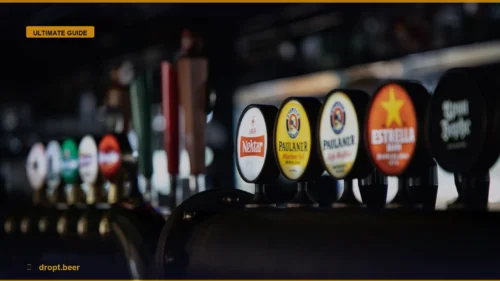
The hallmark of a great Shoreditch pub is a tight, rotating list. I’d rather see four taps that change every week than thirty taps that serve the same generic, macro-owned ‘craft’ brands. You want to see local breweries like Kernel or Five Points represented on the board. These breweries care about their cold chain, and the pubs that stock them usually do, too.
Take The Duke of Wellington. It isn’t trying to win any awards for modern architecture, and that’s precisely why it works. The wood is worn, the brass is tarnished, and the guest tap changes with the seasons. They understand the fundamental truth of hospitality: you don’t go to a pub to be impressed by the decor. You go to feel like you belong, and to drink something that tastes exactly like the brewer intended.
Music and the Pint
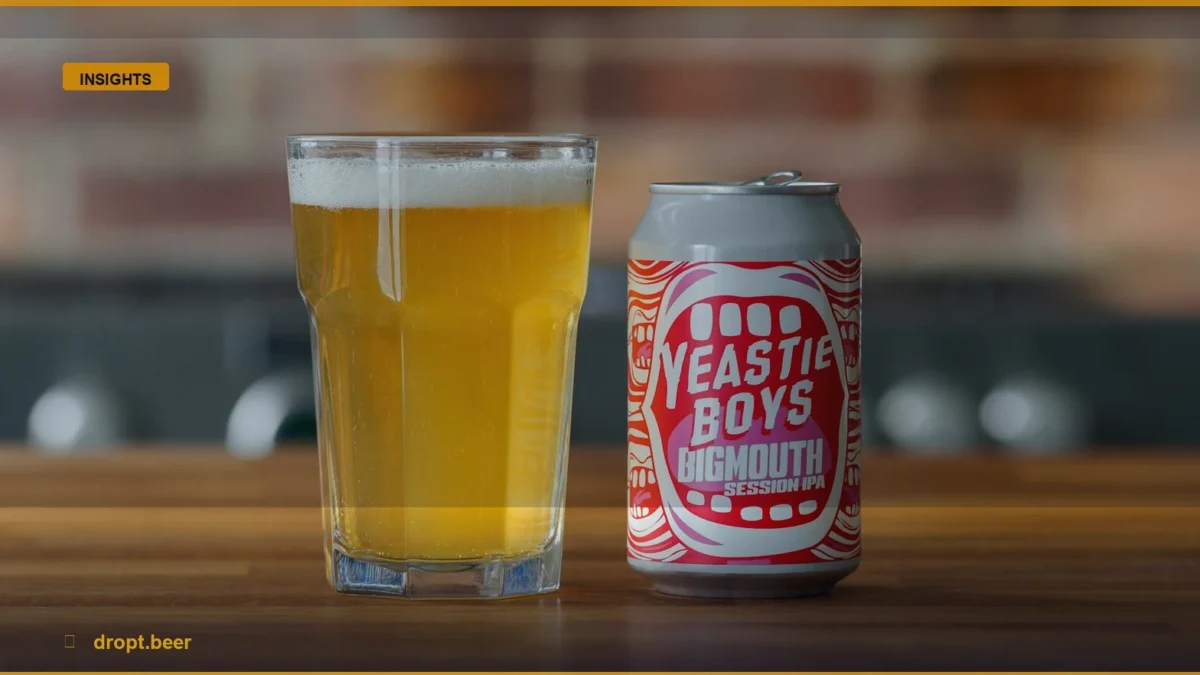
Then there’s The Old Blue Last. It’s loud, it’s sweaty, and it’s arguably the most authentic corner of the area. It’s a music venue first, but they don’t treat the beer like an afterthought. When you’re standing in a room built for sound, you want a sessionable beer—something with enough character to keep you interested but enough restraint that you don’t need a nap halfway through the set. Their focus on British craft reflects a commitment to the local ecosystem, and that matters. It’s a testament to the fact that you don’t need to sacrifice quality for a bit of grit.
When you’re ordering, don’t be afraid to ask the bartender what’s drinking well. It’s a simple question that tells you everything you need to know. If they point to a beer and explain why it’s fresh, you’re in safe hands. If they just point to the most expensive IPA on the board, keep your wallet in your pocket. A good bartender is your best friend in a city as overwhelming as London. Treat them with respect, tip them well, and they’ll make sure your glass is never filled with anything less than perfection.
The Final Verdict
Shoreditch is a neighbourhood of extremes. You have the high-end cocktail bars that make a decent drink but charge you a month’s rent for the privilege, and you have the dive bars that wouldn’t know a clean line if it hit them. But if you walk the line—the middle ground where good beer meets good people—you’ll find the real heart of the district. Stick to the pubs that prioritize their cellar and their community. Keep your eyes peeled for the rotating guest taps. And for heaven’s sake, stop chasing the ‘vibes’ and start chasing the beer. You’ll find plenty of both at the spots we’ve highlighted here at dropt.beer.
Frequently Asked Questions
How can I tell if a pub’s beer lines are dirty?
If your beer has an off-putting sourness, a buttery smell (diacetyl), or tastes like vinegar, the lines are likely dirty. A clean system should deliver a crisp, clean flavor profile consistent with the beer style. If you notice sediment in your glass or an inconsistent head, that’s another red flag that the equipment isn’t being properly maintained.
Is it rude to ask a bartender when a keg was tapped?
Not at all. In any professional environment, asking about the freshness of the product is a mark of a knowledgeable drinker. A good bartender will appreciate that you care about the quality of what you’re drinking. If they seem annoyed or don’t know the answer, it’s a clear sign that the establishment doesn’t prioritize cellar management.
Why does the beer taste different at a rooftop bar?
Rooftop bars are often challenging environments for beer storage. High temperatures, direct sunlight, and long beer lines—often running from a cellar several floors below—can lead to oxidation and temperature fluctuations. These factors kill the carbonation and degrade the hop aromatics, resulting in a flat or ‘cooked’ flavor. Always prioritize venues with climate-controlled, ground-level cellars.