Quick Answer
Forget the neon-colored cocktails and fragile glassware; the best drinks for high-energy events are canned, sessionable, and designed for constant movement. Prioritize crisp lagers, high-quality seltzers, and pre-batched non-alcoholic options that keep guests hydrated without the mid-event crash.
- Stick to cans to avoid broken glass and speed up service.
- Choose low-ABV options to maintain energy levels through the entire event.
- Limit your menu to three reliable options to eliminate decision fatigue.
Editor’s Note — Priya Nair, Features Editor:
I firmly believe that the biggest insult to a great dance floor is a drink that requires more than thirty seconds of attention. If you’re spending your night juggling a shaker or worrying about glassware, you’ve already lost the room. In my years covering international club culture, I’ve seen far too many hosts ruin the momentum by over-complicating the bar. What most people miss is that the beverage should be a support act, not the headliner. Sam Elliott brings a sharp, practical lens to this—he knows exactly how a room feels when the bass hits. Stop overthinking your menu and start focusing on the flow.
The Reality of the Rave Bar
The air in the room is thick, vibrating with a sub-bass that rattles your teeth. Beads of condensation cling to the side of a lukewarm aluminum can in your hand. This isn’t a cocktail lounge where the bartender measures ounces with a silver jigger. It’s a space built for endurance, and the beverage program needs to match the tempo of the floor. When the lights are low and the speakers are pushing air, nobody wants a complex, multi-layered drink that requires a napkin and a coaster. They want something that works.
The secret to keeping energy high isn’t found in a recipe book for high-end mixology. It’s found in the physics of the crowd. A successful drink strategy for high-intensity nightlife is built on three pillars: speed, portability, and sustainability. If you’re hosting, your job is to keep the energy moving. You aren’t there to curate a tasting flight; you’re there to fuel a marathon. Once you treat the beverage as a tool for rhythm rather than a status symbol, you’ll start to see how much better your event runs.
Why Glassware is the Enemy of Momentum
If you look at the guidelines provided by the BJCP or standard hospitality safety protocols, you’ll notice a clear bias toward the right vessel for the right environment. Bringing fragile glassware into a crowded, dimly lit, high-energy environment is a tactical error that borders on negligence. It’s not just about the risk of broken glass underfoot, though that’s bad enough. It’s about the mental load of the drinker. When someone is constantly worried about where to set their glass down or whether it will survive a brush with a passing dancer, they aren’t fully immersed in the experience.
According to the Brewers Association’s data on modern consumer preferences at festivals and large-scale events, drinkers are increasingly gravitating toward canned formats. This isn’t just a trend; it’s a direct response to the need for durability. Cans are lighter, safer, and—if you choose the right ones—better for the beer. They shield the liquid from light and oxygen better than most bottles. By opting for cans, you remove the barrier between the guest and the music. You make the drink an extension of their movement, not an anchor that ties them to a bar table.
The Case for Sessionable Drinking
We’ve all seen it: the guest who hits the high-ABV imperial stout or the double-digit cocktail too early, only to vanish into a corner by midnight. This is a failure of pacing. If you want a party to last, you need to provide fuel that lasts. The goal is to keep the blood-alcohol content steady, not to induce a sugar-and-ethanol coma. Think about session IPAs or clean, dry ciders. These are drinks that offer complexity without the heavy mouthfeel that makes you want to sit down and stop moving.
The Oxford Companion to Beer defines session beers as those that are balanced, flavorful, and low in alcohol, allowing for repeated consumption over a period of hours. This is your blueprint. If you are serving a crowd, aim for a selection that sits comfortably in the 3.5% to 5% ABV range. This allows people to socialize and dance without losing their coordination. If you ignore this and lean into heavy, syrupy options, you’re actively working against the vibe you’re trying to build.
Logistics: Keep It Simple
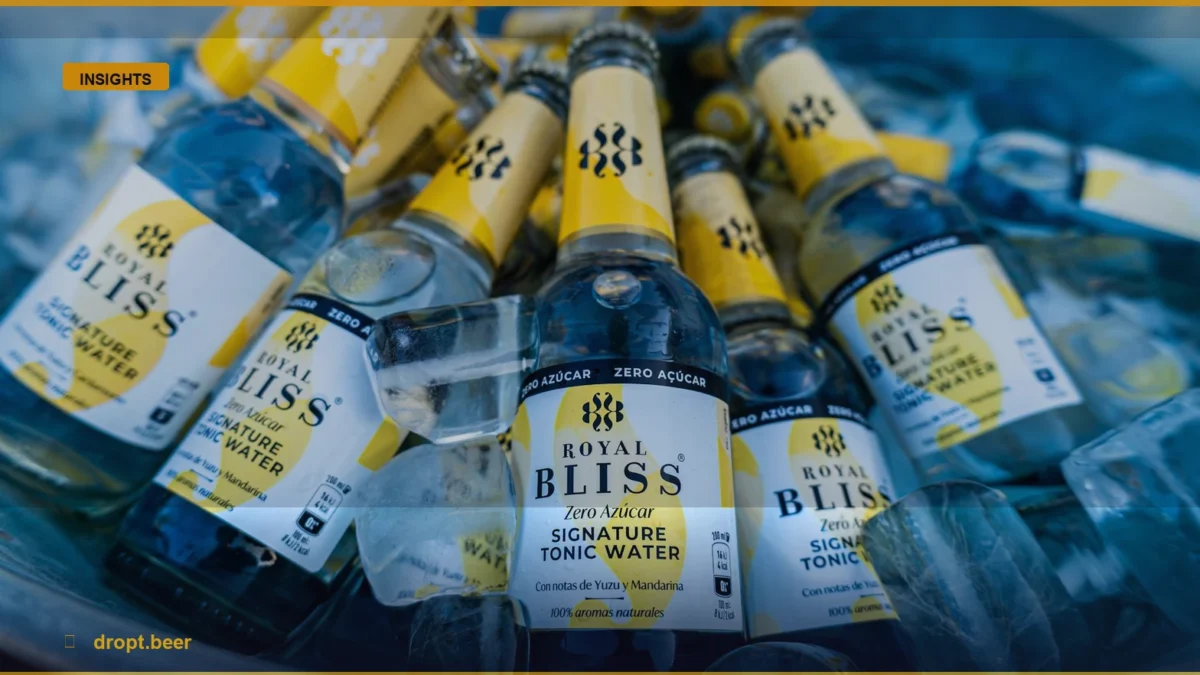
Decision fatigue is real, and it’s the silent killer of bar lines. When a guest walks up to the bar, they shouldn’t be staring at a menu the size of a novel. They should know what they want before they get there. The best bar programs at high-energy venues operate on a “Rule of Three.” One light, crisp lager for the traditionalist. One sessionable, fruit-forward seltzer or cider for the crowd that wants something lighter. One high-quality non-alcoholic option—think a cold-brew coffee or a spiced tonic—for those who want to keep the energy without the buzz.
When you limit the menu, you speed up the service. When you speed up the service, you keep the flow of the room uninterrupted. It’s a simple loop. If you find yourself stocking ten different types of craft beer, you’re making your life harder and slowing down your guests. Keep the inventory tight. Keep the coolers organized. If you’re looking for a template on how to manage this, check out the resources at dropt.beer; we’ve spent plenty of time watching the best in the business streamline their operations to keep the focus where it belongs: on the drink and the moment.
The Temperature Factor
Never underestimate how quickly a room heats up when the crowd is moving. A beer that tastes like heaven at 4°C is going to taste like flat, metallic sadness at 18°C. If you are hosting a high-energy event, your cooling strategy is more important than your beer selection. If you can’t keep the cans cold, don’t bother serving them. It’s better to have fewer options that are perfectly chilled than a massive variety that’s lukewarm.
Invest in good ice, or better yet, a reliable refrigeration setup that can handle the volume of the crowd. If you are running an outdoor event, factor in the sun. If you are indoors, factor in the heat generated by the bodies on the floor and the lighting rigs. A warm drink is a drink that gets left on a ledge, half-finished. That’s wasted product and wasted money. Keep it cold, keep it flowing, and you’ll see the difference in the energy of your crowd.
Frequently Asked Questions
Why are canned drinks better for high-energy parties?
Cans are superior for high-energy environments because they are unbreakable, portable, and protect the liquid from light and oxygen. They allow for faster service, which prevents long lines at the bar and keeps the energy in the room flowing. Most importantly, they eliminate the risk of broken glass, making the dance floor a safer place for everyone involved.
What is the ideal ABV for a rave-friendly menu?
The ideal ABV for a high-energy event is between 3.5% and 5%. Drinks in this range, often called “sessionable,” allow guests to pace themselves throughout a long night without losing coordination or suffering from early exhaustion. High-ABV drinks lead to rapid intoxication and a “crash,” which is exactly what you want to avoid when the goal is endurance and sustained activity.
How many drink options should I offer?
Limit your selection to three distinct options. Offer one crisp, light lager; one sessionable cider or seltzer; and one high-quality non-alcoholic option. This “Rule of Three” reduces decision fatigue for the guest, speeds up the bar line, and simplifies your logistics as a host. Providing too many choices often leads to longer wait times and a disorganized bar experience.
How do I manage drink temperature in a crowded, hot room?
Prioritize active refrigeration or industrial-grade ice storage over variety. A warm drink will almost always be abandoned, leading to waste. Use coolers that can maintain a consistent temperature even when the room is packed and hot. If you cannot keep the drinks cold, do not serve them. It is better to have a limited menu that stays at 4°C than a wide variety of lukewarm beverages that no one wants to finish.