While the 1960s were an era of groundbreaking music and cultural shifts, the notion that psychedelic 60s bands had specific ‘signature drinks’ in the way we think of modern brand endorsements or cocktail pairings is largely a romanticized myth. The reality was far more fluid, with many musicians gravitating towards whatever was readily available, affordable, and potent enough to fuel their artistic endeavors and late-night performances. The true signature drink of the era was often simply a strong, unpretentious beer or a basic mixed drink, reflecting the counter-culture’s rejection of commercialism rather than an embrace of specific branded libations.
Defining the ‘Signature Drink’ of the Psychedelic Era
When we talk about ‘signature drinks’ today, we often picture a meticulously crafted cocktail, a specific brand of spirit, or a drink intrinsically linked to an artist’s public persona. However, applying this modern lens to the psychedelic 60s misses the point of the era’s counter-culture ethos. The focus was on the experience, the music, and the communal atmosphere, not on the specific drink in hand. While bands certainly drank, their choices were more a product of circumstance and personal preference than a deliberate branding exercise.
The 1960s saw a loosening of social norms, and alcohol consumption, while still subject to legal restrictions (like the then-21 drinking age in most states), was often an integral part of concerts, parties, and studio sessions. Yet, the idea of a band declaring a specific drink as ‘theirs’ simply wasn’t prevalent. Musicians were often on tight budgets, especially in their formative years, and accessibility played a far greater role than any desire for a sophisticated tipple. Think less bespoke cocktails and more communal coolers.
Common Misconceptions About Psychedelic 60s Bands and Drinks
Many articles and popular culture portrayals suggest a more intentional pairing between psychedelic bands and specific beverages, often associating them with exotic concoctions or high-end spirits. This romanticized view frequently gets a few things wrong:
- The Myth of the Bespoke Cocktail: The idea that bands had custom cocktails named after them or that they regularly sipped complex mixed drinks is largely unfounded. While some musicians might have had a favorite simple mixed drink (like a gin and tonic), the elaborate cocktail culture we see today wasn’t a central part of the psychedelic scene. The focus was on ease and effect, not intricate preparation.
- Overemphasis on ‘Psychedelic’ Drinks: Some narratives try to link bands to drinks that were visually striking or unusually flavored, implying they somehow mirrored the psychedelic experience. While colorful drinks existed, the primary connection was often more practical than symbolic. For instance, a band might drink cheap wine not because it was ‘trippy,’ but because it was inexpensive and available.
- Ignoring the Practicalities of Touring: For many touring bands, especially in the early and mid-60s, access to a diverse range of alcoholic beverages was limited. They drank what was served backstage, what they could buy at a local liquor store, or what fans offered. Consistency in ‘signature’ drinks would have been nearly impossible given the varied environments they encountered.
- Confusing Personal Preference with Public Persona: A musician might have had a personal favorite drink, but this rarely translated into a public ‘signature’ in the way we understand it now. What they drank privately or casually wasn’t necessarily part of their stage persona or band identity.
The Real Drinks of the Era: Accessibility and Potency Over Poshness
So, if there weren’t signature drinks, what were psychedelic 60s bands actually drinking? The answer is far more grounded in reality:
Beer: The Ubiquitous Choice
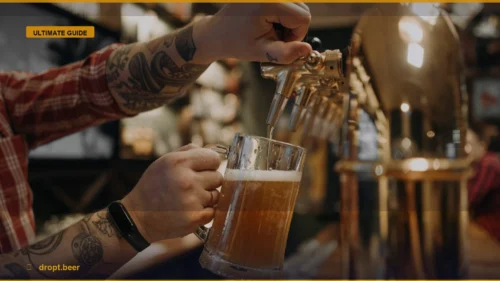
Beer was king. It was affordable, widely available, and offered a consistent, if mild, buzz. American lagers from brands like Budweiser, Schlitz, and Pabst Blue Ribbon were staples. For many musicians, especially those from working-class backgrounds, beer was simply the default alcoholic beverage. It was easy to share, easy to get, and didn’t require any special mixing. The communal aspect of passing around beers backstage or during jam sessions further solidified its place as the era’s unofficial drink.
Whiskey and Simple Mixers: The Workhorse Spirits
Bourbon and Scotch were popular choices, often consumed neat, on the rocks, or with simple mixers like cola or soda water. Whiskey provided a quicker, more potent effect than beer, which was appealing for long nights in the studio or before high-energy performances. Jim Morrison of The Doors, for example, was famously fond of whiskey, though it was more a personal habit than a ‘signature’ of the band itself. These spirits were accessible in most bars and liquor stores across the country.
Wine: The Bohemian Choice
While perhaps less common than beer or whiskey among the rock and roll crowd, wine, particularly inexpensive red wine, held a certain bohemian appeal. It was often associated with intellectualism and artistic circles, resonating with parts of the counter-culture. Janis Joplin, for instance, had a well-documented fondness for Southern Comfort, a whiskey liqueur, which she sometimes referred to as ‘my drink.’ While not a traditional wine, her choice highlights a preference for something a bit outside the norm, but still widely available and distinct.
The Absence of Craft: A Different World of Malt Beverages
It’s important to remember that the craft beer and artisanal cocktail movements as we know them today did not exist in the 1960s. The choices were far more limited, and the focus was on mass-produced options. This lack of variety further precluded the development of intricate ‘signature drinks’ that relied on unique ingredients or complex preparation methods. The drinking culture was simpler, driven by necessity and social lubrication rather than connoisseurship.
The True ‘Signature’ of the Psychedelic 60s: Freedom and Experimentation
Instead of specific branded drinks, the true ‘signature’ of the psychedelic 60s was the spirit of freedom, experimentation, and a rejection of conventionality – a spirit that extended to their consumption habits. While substances like LSD defined the ‘psychedelic’ experience for many, alcohol remained a constant companion, albeit often in a less glorified role.
The drinks were part of the backdrop, facilitating the camaraderie, creativity, and sometimes the chaos that defined the era. From the communal punch bowls at San Francisco acid tests to the endless rounds of beer in London clubs, the beverages served their purpose without needing a fancy label or a complex recipe.
Verdict: It Was About the Vibe, Not the Varnish
For those seeking a definitive ‘signature drink’ for psychedelic 60s bands, the verdict is clear: there wasn’t one in the modern sense. The most accurate answer points to the ubiquitous presence of lager beer and straightforward whiskey drinks. If you’re looking to recreate the ‘vibe’ of the era, grab a classic American lager or pour a simple bourbon on the rocks. The important thing is to focus on the music and the atmosphere of creative freedom, rather than searching for an elusive, specific cocktail.
If your priority is authenticity, stick to the basics. If you’re more interested in a symbolic representation, then any drink that fosters a sense of communal enjoyment and a relaxed, unpretentious attitude fits the bill better than a specific, manufactured ‘signature.’ The real signature was the uninhibited spirit of the times itself.