The Happy Hour Virgin Reality Check
Being a happy hour virgin is essentially an admission that you have spent your adult life working late or staying home, and now you are finally ready to understand why everyone else leaves their desk at 4:30 PM. To be a happy hour virgin is to be a person who views a bar between the hours of 4:00 PM and 7:00 PM not as a chaotic social obligation, but as a strategic economic opportunity to drink better for less money. The entire concept is a simple arbitrage play: bars have high overhead and empty seats during the late afternoon, so they trade lower margins for your presence and the hope that you stay for a second (full-priced) round.
If you have never stepped into a bar during these hours, you are missing out on the best time to experience a venue. The lighting is better, the staff is less stressed, and the regulars haven’t yet reached their tipping point. Whether you are looking for the best watering holes around Wynyard station or just a local spot in your neighborhood, the rules of engagement remain the same. This is not just about cheap booze; it is about learning how to be a person who inhabits a space without being a liability to the bartender.
What Other Guides Get Wrong
Most articles written for the uninitiated are catastrophically bad. They treat the experience like a high-stakes military operation, suggesting that you need to arrive with a pre-written itinerary, a strict budget spreadsheet, or even a specific outfit. They tell you to be polite, which is true, but they overcomplicate the basic transactional nature of buying a drink. They make it sound like you need to be a social butterfly ready to network with everyone in the room. This is nonsense.
Another common mistake in the media is the assumption that every venue offers the same value. They suggest that you should chase the cheapest drink on the menu, regardless of quality. This is the hallmark of a novice. If you go to a place simply because they offer a four-dollar domestic light lager, you are going to have a miserable time regardless of the savings. You are not there to punish yourself; you are there to enjoy a well-poured pint or a cocktail that would otherwise be outside your standard budget. Cheap should never mean undrinkable.
Understanding the Format: What is Happy Hour?
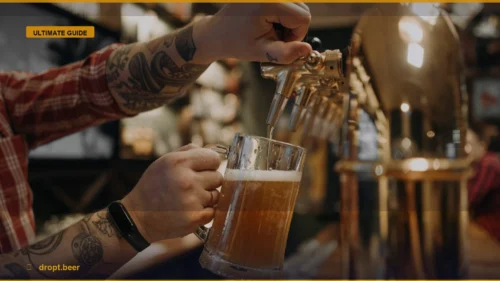
At its core, the tradition is a window of time where bars offer discounted prices on specific items to attract patrons during slow hours. It began in the early 20th century, though its modern iteration has moved away from the neon-lit debauchery of the 1980s and toward a more refined, early-evening culture. Today, it is about accessibility. A bar that charges eighteen dollars for a craft IPA at 9:00 PM on a Friday might offer it for ten dollars at 5:00 PM on a Tuesday. That is the window you are playing for.
The mechanics of how these deals are made are fascinating. Some bars utilize a flat percentage discount across their entire draft list, while others select a “loss leader”—one or two products they sell at near-cost to pull people through the door. If you want to see how these programs are structured from a business perspective, you might look at how the top craft beer marketing experts assist venues in balancing volume with brand prestige. For the customer, the goal is to identify which bars are offering genuine value versus those just dumping their aging kegs.
How to Avoid Common Mistakes
The most egregious error a happy hour virgin can make is forgetting to tip on the full value of the drink. Just because the beer was discounted by forty percent does not mean your tip should be. The bartender worked just as hard to pour that glass as they would have at peak hours. If you tip based on the reduced price, you are signaling that you are an amateur who doesn’t understand the social contract of the pub. Always tip on the pre-discounted amount, or better yet, round up to the nearest ten.
Another mistake is overstaying your welcome. The “happy” in happy hour is finite. If the deal ends at 7:00 PM and you are still sitting there at 8:30 PM with the same empty glass, you are occupying a seat that a paying customer needs. Be mindful of the clock. When the clock strikes the end of the promotion, either order a full-priced round to show the staff you aren’t just a “cheapskate,” or settle your tab and head to dinner. Being a regular who is respected is better than being a visitor who is tolerated.
The Verdict: A Strategy for Every Drinker
If you are still a happy hour virgin, your first move should be to pick a high-quality venue rather than the cheapest one. My definitive recommendation is to seek out a bar that specializes in local craft beer or classic cocktails. Why? Because these places have the most to gain from turning you into a repeat customer. They want to show off their best work when they have the time to talk to you.
If your priority is pure budget, find the “neighborhood dive” where the prices are low all day; don’t bother waiting for a deal. If your priority is quality, find the high-end cocktail bar that does a “pre-dinner” special. That is the sweet spot. You get the same level of service and the same premium ingredients as the late-night crowd, but without the noise, the crushing wait times, or the pretension. Being a happy hour virgin is temporary, but the habit of drinking better for less is a skill that will serve you for the rest of your life.