Quick Answer
Warm rum drinks rely on high-proof, flavorful spirits like Demerara or Jamaican pot-still rums to cut through sweeteners and spices. You should avoid boiling your base liquids, as this destroys delicate aromatics and leaves you with an overly harsh, cooked ethanol finish.
- Use overproof Jamaican rum for a punchy, ester-forward Hot Toddy.
- Always heat your cider or cocoa separately before adding the spirit to preserve the rum’s unique profile.
- Balance your sugar with a touch of salinity—a tiny pinch of sea salt transforms a basic buttered rum.
Editor’s Note — Priya Nair, Features Editor:
I firmly believe that if you aren’t using a high-ester, funky Jamaican rum in your winter warmers, you are wasting your time with sugar water. Most people miss the fact that heat amplifies the spirit’s flaws, so stop reaching for that bottom-shelf spiced bottle you bought in 2019. I recommend seeking out a bottle of Smith & Cross; it provides the backbone necessary to stand up to heavy spices like clove and star anise. Noah Chen brings a refined, historical lens to these drinks that ensures you aren’t just getting hammered—you’re learning the craft. Go raid your spice cabinet and build a drink with intention.
The Architecture of Heat
The smell of allspice berries hitting a warm pot of cider is the definitive signal that the year is winding down. It’s a sharp, clove-heavy aroma that cuts through the stagnant air of a house that’s been sealed shut against the frost for weeks. When you add rum to the mix, you aren’t just adding booze; you’re adding the weight of history, sugar cane, and fermentation funk to a drink that might otherwise be a forgettable cup of juice.
The truth is, most home bartenders treat warm drinks as a dumping ground for the dregs of their liquor cabinet. They take a mediocre, cloyingly sweet spiced rum, dump it into boiling water, and wonder why the end result tastes like a chemical burn. If you want a drink that actually warms you from the inside out, you have to treat the spirit with the same respect you’d give a neat pour of aged whiskey. We are looking for structure, not just a way to tolerate the temperature drop.
Choosing Your Foundation
According to the WSET guidelines for spirits, the maturation of rum in tropical climates accelerates the extraction of wood tannins and esters, which is exactly what we need when we start adding heat and dilution. You need a rum that won’t disappear the second it touches hot liquid. A light, column-distilled blanco is going to be swallowed whole by a hot cider. You need character.
Reach for a Demerara rum or a pot-still Jamaican rum. These spirits have the oily, mouth-coating texture that thrives in a mug. When you use a high-ester rum, the heat of the drink acts as a delivery system for the fruit-forward, funky notes that otherwise remain locked in the glass. Don’t be afraid of the proof, either. A standard 40% ABV spirit will be further diluted by your hot water or tea; look for something closer to 50% or 57% if you want the rum to remain the protagonist of the story.
The Science of Simmering
The biggest mistake you can make is boiling your mixture. The BJCP guidelines for beer and spirits emphasize the importance of retaining volatile aromatics, and heat is their natural enemy. Once you cross the threshold into a rolling boil, you’re stripping away the very qualities you paid for. Your spices will become bitter, and the ethanol will become sharp and aggressive.
Think about it like brewing coffee. You wouldn’t boil your beans. Keep your base—the cider, the cocoa, or the water—at a gentle simmer, just below the point of bubbling. Once you pull the pot off the heat, that is the moment to introduce your rum. Stir it in slowly. By adding the spirit off the heat, you keep the integrity of the sugar cane base intact. You’ll smell the difference immediately. It’s the difference between a nuanced, layered cocktail and a cup of boozy heat.
Building a Better Toddy
The Hot Toddy is often maligned as a drink for the sick or the uninspired, but that’s because most people make it with cheap honey and tap water. Treat it like a proper cocktail. Start with a foundation of high-quality tea—an Earl Grey works wonders with the bergamot playing off the rum’s natural sweetness. Use a demerara syrup instead of raw honey to add a hint of molasses that bridges the gap between the tea and the spirit.
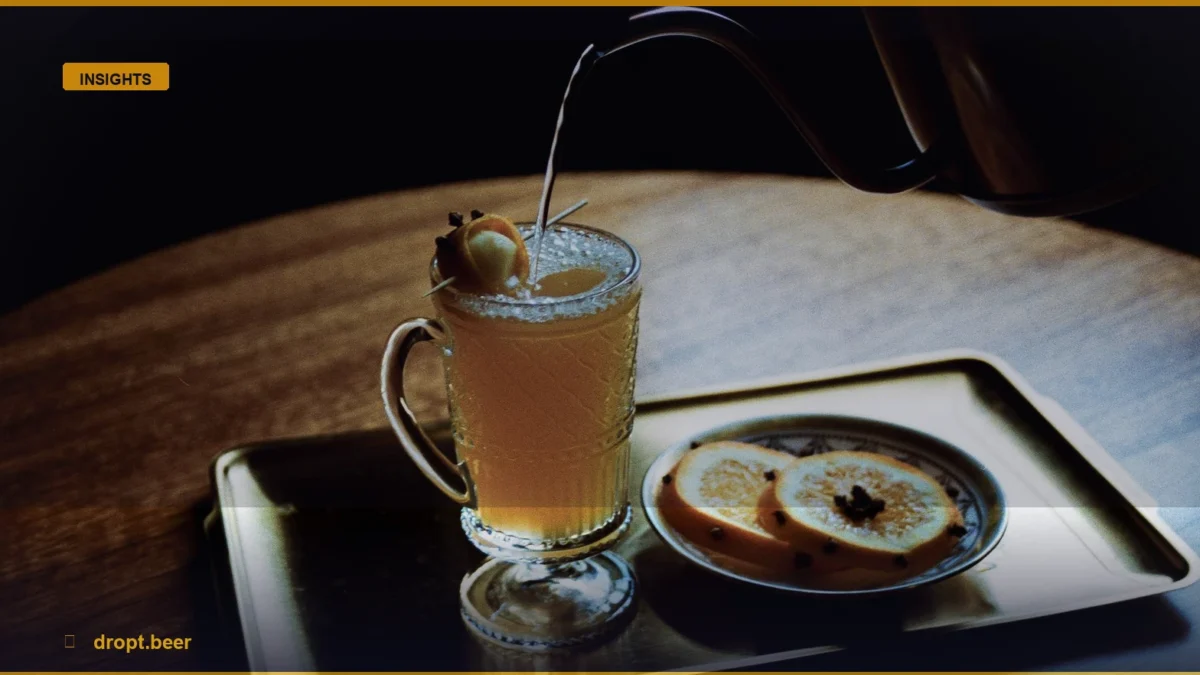
At a bar like The Black Pearl in Melbourne, they understand that a warm drink requires a garnish that isn’t just ornamental. A dehydrated lemon wheel studded with a single clove provides a slow-release aromatic that changes the drink as you sip. It’s a subtle touch, but it tells the drinker that you’ve considered the entire experience. When you’re at home, don’t skip the garnish. It’s the first thing your nose hits, and it sets the tone for the entire mug.
Consistency is Key
If you want to move beyond the basics, look at the classic Hot Buttered Rum. It’s a drink that demands a bit of prep, but it pays off in spades. By creating a compound butter with cinnamon, nutmeg, and a touch of sea salt, you create a fat-washing effect as the butter melts into the rum and hot water. The fat carries the flavor across your palate, making the drink feel rich and decadent without needing an excessive amount of sugar. It’s the perfect way to finish a long day. If you’re serious about your drinking culture, head over to dropt.beer to find our full guide on balancing bitters in hot cocktails, and keep your winter game sharp.
Frequently Asked Questions
Does the type of rum really matter in a hot drink?
Absolutely. Heat amplifies the character of a spirit. If you use a low-quality, mass-produced rum, the heat will highlight its harsh, industrial ethanol notes. A high-quality aged or pot-still rum provides the depth, ester profile, and mouthfeel necessary to balance the spices and sugars in a hot cocktail.
Why does my rum drink taste bitter when I add spices?
You are likely over-steeping or boiling your spices. Tannins from cinnamon and cloves extract quickly in boiling water, turning bitter. Simmer your spices in water or cider for a short period, then strain them out before adding your rum. Never leave the spices in the mug while you drink.
Can I use white rum for warm cocktails?
It’s generally not recommended. Most white rums are designed for light, refreshing, cold cocktails like a Mojito or Daiquiri. They lack the body and complexity to stand up to heat. If you must use a clear rum, choose an overproof white Jamaican rum, which has enough funk and intensity to survive the heat.
What is the best way to sweeten a warm rum drink?
Avoid granulated white sugar, which can leave a thin, sharp sweetness. Use demerara syrup, honey, or maple syrup. These options provide a richer, more nuanced sweetness that complements the molasses notes inherent in dark rums. Always add your sweetener while the base liquid is hot to ensure it dissolves completely.