Quick Answer
Cultivating a discerning palate requires moving past marketing trends to focus on ingredient quality, brewing technique, and sensory evaluation. You become a better drinker by consistently comparing styles and keeping a structured tasting journal.
- Taste two different versions of the same style side-by-side to identify technical flaws.
- Use the BJCP guidelines to learn the vocabulary of common off-flavors and style markers.
- Prioritize independent establishments that provide staff training over places that rely on visual gimmicks.
Editor’s Note — Priya Nair, Features Editor:
I firmly believe that the most dangerous thing you can do for your palate is to blindly trust a “top ten” list. In my years covering the industry, I have seen far too many drinkers prioritize the vibe of a venue over the integrity of the liquid in their glass. What most people miss is that a truly discerning palate isn’t about expensive tastes; it’s about active engagement. Maya Patel brings something special to this conversation because she understands that sensory training should be fun, not a chore. Stop scrolling for your next drink and start tasting with intention today.
The First Sip: Moving Beyond the Hype
The smell hits you before you even lift the glass—a sharp, metallic tang of an over-carbonated lager served in a lukewarm mug. You’re sitting in a crowded bar, surrounded by neon signage and the deafening roar of a playlist designed to make you drink faster, not better. It’s easy to settle. It’s easy to accept that ‘fine’ is the baseline for a night out. But you deserve better than mediocre, and your palate is capable of so much more than just identifying whether a beer is cold or wet.
To become a discerning drinker, you must stop treating alcohol as a commodity and start treating it as a craft. This shift in perspective transforms every pint from a simple thirst-quencher into a data point for your brain. We aren’t aiming for elitism; we are aiming for curiosity. When you choose to engage with the liquid rather than just consuming it, you unlock a deeper level of enjoyment that no marketing campaign can replicate. The goal here is simple: learn to identify what you like, why you like it, and how to spot a well-made drink versus a shortcut.
The Science of Sensory Evaluation
You don’t need a laboratory to train your palate, but you do need a framework. The BJCP (Beer Judge Certification Program) provides the gold standard for understanding what a style should be. When you drink a classic Czech Pilsner, you aren’t just looking for refreshment; you are looking for that specific interplay of noble hops—spicy, floral, perhaps a touch of herbal bitterness—against a crisp, bready malt backbone. If those elements aren’t there, or if you detect a hint of green apple or buttered popcorn, you’ve found a flaw.
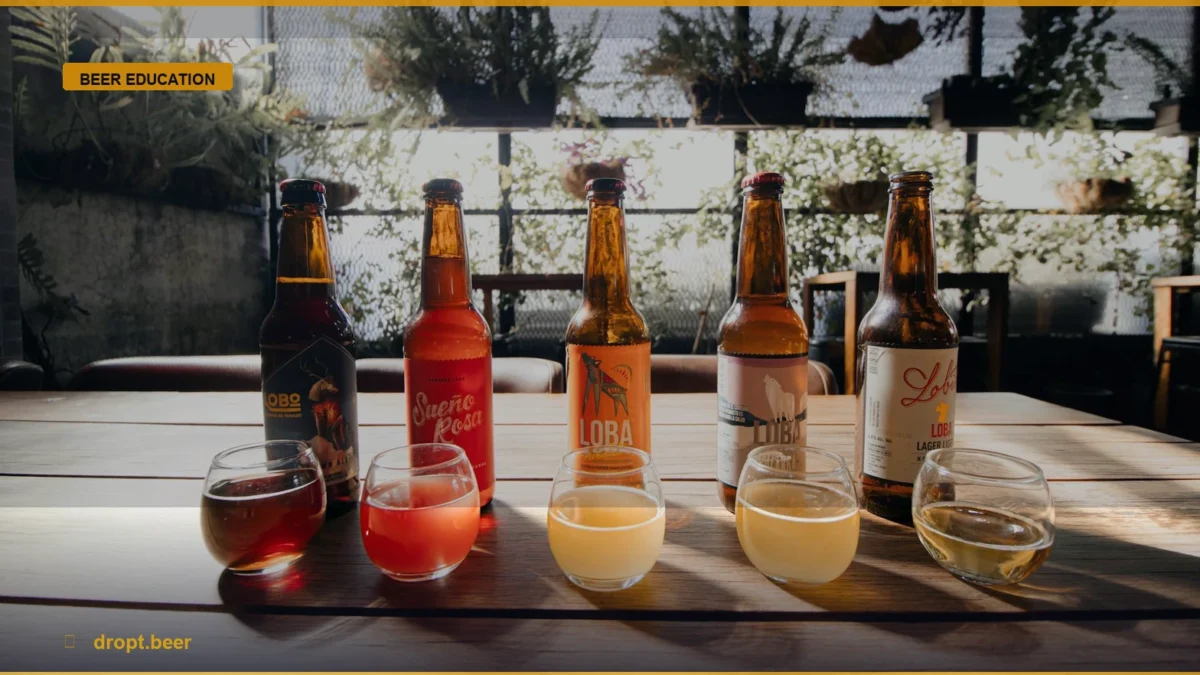
Begin by practicing comparative tasting. Purchase two different versions of the same style—say, a local craft IPA and a standard benchmark like Sierra Nevada Pale Ale—and pour them simultaneously. Do not rush. Take a small sip of one, clear your palate with water, and then move to the next. Focus on the mouthfeel first. Is it coating your tongue, or does it finish dry and clean? Then look for the aroma. Is it assertive, or is it muddied? You’ll quickly realize that many “hyped” releases suffer from technical inconsistencies that a trained palate can spot in seconds.
The Architecture of an Authentic Venue
Not all bars are created equal. We live in an era where design firms dictate the success of a venue more than the quality of the cellar program. If a bar spends more money on its wallpaper than its draft line cleaning schedule, you are in the wrong place. You want to look for the signs of a serious establishment: clean glassware, a staff that can actually describe the flavor profile of the beer on tap, and a menu that doesn’t change every week based on what’s trending on social media.
Look at a place like The Local Taphouse in Sydney. They don’t just pour beer; they curate experiences around the liquid. When you walk into a bar, ask the bartender what they’re excited about. If they point to a local brewery that they have a personal relationship with—or better yet, a brewery they visited last month—you’ve found a partner in your education. Avoid the places that treat beer as an afterthought to a burger. Substance matters, and your patronage should go to the people who respect the ingredients enough to treat them properly.
Developing Your Personal Vocabulary
Your palate is a muscle. If you don’t use it, it stays flaccid. Most people describe a beer as “good” or “bad,” but that tells you nothing about the nuance of the brew. Start keeping a digital log or a small notebook. You don’t need to write a novella; just jot down three adjectives for every new drink you try. Was it resinous? Was it phenolic? Was it oxidized? The more words you assign to your experience, the more you will notice next time.
This practice connects your brain to your senses in a way that passive drinking never will. According to the Oxford Companion to Beer, sensory perception is deeply tied to memory, meaning that by naming a flavor, you are physically building a stronger neural pathway for that profile. You might find that you hate the sharp, spicy phenols of a Belgian yeast strain but absolutely love the ester-driven fruitiness of a British cask ale. Once you know that, you stop wasting money on beers that don’t match your preferences, and you start investing in bottles that truly excite you.
The Responsibility of the Drinker
We have a collective responsibility to support breweries that do it right. When we ignore flaws in mass-produced craft beer, we signal to the market that quality is secondary to volume. When we praise mediocre beer simply because it comes from a local shop, we aren’t helping that business grow; we’re stagnating their potential. True appreciation is honest. It’s okay to say that a beer is technically flawed, even if it’s from your favorite brewer. That level of honesty is what drives the industry forward.
At dropt.beer, we believe that the best drinking experiences are the ones that challenge us. Don’t be afraid to order a style that you think you dislike. Palates evolve. What tasted like bitter soap five years ago might now taste like complex, citrus-forward bliss. Keep pushing, keep tasting, and keep questioning. Your glass is a world of history, agriculture, and chemistry. It’s time you started reading the story written on your tongue.
Your Next Move
Commit to a side-by-side tasting session this weekend to force your brain to compare rather than simply consume.
- Immediate — do today: Buy two bottles of the same beer style from different producers and place them in the fridge at the same temperature.
- This week: Find a local bottle shop with a knowledgeable owner, tell them you want to learn about a specific style, and ask for their two most authentic recommendations.
- Ongoing habit: Keep a “tasting notes” folder in your phone; write down three distinct flavors for every new drink you try for the next month.
Frequently Asked Questions
How can I tell if a beer has a technical flaw?
Look for common “off” markers: a papery or wet cardboard taste indicates oxidation, while a buttery or popcorn flavor suggests diacetyl, a common fermentation byproduct. If the beer smells like rotten eggs, it may be sulfur-heavy. Comparing your beer to a fresh, high-quality benchmark of the same style makes these flaws much easier to detect.
Do I need expensive glassware to taste better?
You don’t need expensive gear, but you do need appropriate shapes. A standard tulip glass is versatile enough to concentrate aromatics for most styles. Avoid drinking from the bottle; the narrow opening traps the aroma, meaning you lose the majority of the sensory experience before the beer even touches your tongue.
How do I train my palate without spending too much money?
Focus on small pours. Many craft bars offer 100ml or 150ml tasting paddles. This allows you to sample five different beers for the price of one pint. Sharing bottles with friends is another cost-effective way to expose your palate to a wider variety of styles and producers without breaking the bank.
Is it better to stick to one style to get good at it?
Start by mastering one style, then use that as a baseline to explore others. If you learn the nuances of a classic German Helles, you will have a much easier time identifying malt quality in other lager styles. Once you understand the base, branching out into more complex beers becomes an exercise in identifying differences rather than guessing.