Quick Answer
The best alcoholic drink for a sustained, high-quality social experience is a traditional dry Irish stout. Its combination of low ABV, complex roasted character, and nitrogen-infused texture makes it the superior choice for longevity and enjoyment.
- Prioritize drinks in the 4–6% ABV range to ensure you can enjoy a full session without impairment.
- Choose beverages with consistent, reliable flavor profiles over complex cocktails that vary wildly by bartender.
- Seek out drinks with savory, roasted, or botanical complexity rather than those reliant on high sugar content.
Editor’s Note — Amelia Cross, Content Editor:
I firmly believe the modern obsession with high-octane, barrel-aged spirits and sugar-laden cocktails has ruined the art of a proper night out. What most people miss is that the goal of drinking is longevity and conversation, not a quick rush to intoxication. I recommend sticking to lower-ABV, well-crafted staples like traditional stout or a clean, crisp pilsner. Charlie Walsh has the rare ability to cut through industry hype and remind us why the humble pint is king. Read this with an open mind, then go find a local pub that pours with intention.
The Perfect Pour
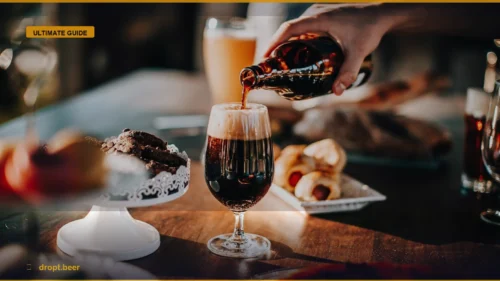
You are standing at a sun-drenched wooden bar in a cramped pub in West Cork. The air smells of peat smoke and damp wool, and the bartender has just set a pint of stout in front of you. The creamy head is thick enough to hold a coin, the body is an impenetrable black, and the first sip is cold, crisp, and carries the deep, roasted bitterness of toasted barley. It’s the kind of drink that doesn’t demand your attention; it invites you to settle in.
The best alcoholic drink isn’t the one with the most expensive price tag or the most intricate garnish. It is the one that respects the flow of the night. If you’re looking for a singular “holy grail” beverage that satisfies every whim, you’re missing the point. The best drink is a functional tool for a social environment. It rewards your palate with complexity while remaining refreshing enough to finish before it goes flat. For my money, nothing beats a well-poured dry Irish stout.
The Myth of the ‘Top Shelf’
Many drinkers fall into the trap of equating complexity with high-proof spirits. They assume that because a single malt Scotch is expensive and high-ABV, it must be the “best” way to spend an evening. If you’re sipping 55% ABV cask-strength whisky for three hours, you aren’t enjoying a drink; you’re managing a chemical reaction in your bloodstream. That’s not a night out—it’s a headache waiting to happen.
Then there’s the cocktail culture. While a perfectly balanced Negroni is a thing of beauty, it’s a massive gamble. You are entirely at the mercy of the bartender’s speed, the quality of their vermouth, and whether they remembered to stir the drink properly. Most bars simply can’t deliver consistency. When you order a pint of stout, you know exactly what you’re getting. You aren’t paying twenty dollars for a bartender to forget the bitters or skimp on the ice.
Why Stout Remains the King of Session
According to the BJCP guidelines, a classic dry Irish stout should be characterized by a moderate roasted grain aroma and a distinct, creamy mouthfeel. This isn’t just about flavor—it’s about the science of the pour. The nitrogenation process creates that signature cascading effect and a dense head, which protects the beer from oxidation. It stays fresh from the first sip to the last drop.
Unlike IPAs, which can be overly aggressive with hop oils that fatigue the palate, or lagers that can sometimes feel thin and uninspired, a stout is built on the foundation of roasted barley. This creates a flavor profile that leans into dark chocolate and espresso. It is a savory, rather than sweet, experience. That savory quality is what makes it so infinitely drinkable. You don’t get “palate fatigue” halfway through the second pint.
The Three Pillars of a Great Drink
If you find that stout isn’t your preference, you need to evaluate your drink based on three criteria: complexity, ABV, and consistency. Complexity is non-negotiable. If a drink only tastes like sugar or pure ethanol, it’s a failure. You want layers. Whether it’s the tannins in a dry red wine or the botanicals in a gin and tonic, the drink should evolve as it warms. If the first sip is the only good one, put the glass down.
Second, prioritize ABV. We aren’t advocating for total sobriety here, but for longevity. If you want to spend four hours with friends, a drink that sits in the 14% to 20% range will force you to stop early or risk a miserable next morning. A drink in the 4% to 6% range keeps you in that sweet spot of social lubrication. You want to be present for the conversation, not struggling to focus because your drink is trying to knock you out.
Finally, look for consistency. The Brewers Association highlights the importance of quality control in craft brewing, and that translates to your experience at the bar. Stick to beverages that are produced with high standards. If you walk into a new bar, order the local draft or a proven classic before you go experimenting with a complex cocktail menu. The best drink is one you can trust. Go visit your local, grab a fresh pint, and enjoy the night. If you’re looking for more guidance on finding the perfect glass, keep checking in with us here at dropt.beer.
Frequently Asked Questions
Why is ABV so important for a good drinking experience?
ABV dictates how long you can actually enjoy the social setting. Drinks in the 4–6% range allow for a steady, manageable intake over several hours. High-ABV spirits force you to stop early or drink too fast, which leads to rapid impairment and an end to your night long before you’re ready to leave.
Is a cocktail ever a better choice than a stout?
Only if you are at a world-class bar where you trust the bartender’s technique implicitly. If you are at a standard pub or restaurant, the inconsistency of cocktail preparation makes it a risky bet. A stout is a reliable, high-quality experience that doesn’t rely on the skill of the person behind the bar to be good.
Does the nitrogen in stout really change the flavor?
Yes, it changes the mouthfeel significantly. Nitrogen creates smaller, tighter bubbles compared to carbon dioxide, resulting in a creamier, smoother texture. This physical change makes the beer feel less “sharp” on the tongue, allowing the roasted barley flavors to shine without the aggressive bite of carbonation found in other beer styles.