Quick Answer
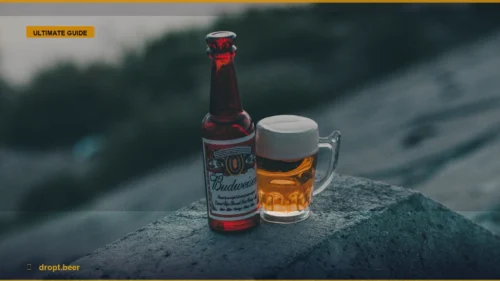
To find a great rooftop bar, prioritize venues with a dedicated draft program rather than those relying solely on mass-market bottles. If the tap list is shorter than the cocktail menu, save your money and stay on the ground floor.
- Seek out bars that list their brewery partners clearly on the menu.
- Check for proper glassware; plastic cups ruin the aroma of a good IPA.
- Always scout the orientation of the sun to avoid direct glare during peak drinking hours.
Editor’s Note — Tom Bradley, Drinks Editor:
I firmly believe that the view from a rooftop is almost never worth a subpar beer. Too many operators treat their elevated real estate as a license to sell overpriced, stale macros to a captive audience who are too distracted by the skyline to notice their glass is skunked. In my years covering the industry, I’ve learned that a true beer destination maintains its lines and temperature even five stories up. I brought Sam Elliott in to write this because his encyclopedic knowledge of the urban bar scene ensures you won’t get stuck paying a premium for bad service. Skip the tourist traps and use this guide to find a proper pour.
The wind whips around the corner of the building, carrying the faint, metallic scent of city traffic and the unmistakable, bright aroma of a freshly tapped West Coast IPA. You’re six stories up, the sun is beginning to dip behind the glass-and-steel horizon, and the hum of the city below is just a vibration in your boots. It’s the kind of evening that demands a beer with enough character to compete with the view. You aren’t here for the altitude; you’re here for the atmosphere, and if the beer doesn’t hold its own, the whole experience is just a glorified photo opportunity.
Too many drinkers settle for mediocre lagers simply because they’re served with a sunset. That’s a mistake. A rooftop venue should be judged by the same rigorous standards as a basement dive bar or a neighborhood taproom. If a place can’t pour a clean, well-maintained pint, it doesn’t matter how pretty the skyline looks. You deserve better than a lukewarm, mass-produced lager served in a plastic cup. Seek out the rooftops that treat their cellar as seriously as their interior design.
The Anatomy of a Proper Rooftop Pour
When you’re evaluating a rooftop spot, look at the equipment before you look at the sunset. According to the Brewers Association’s 2024 guidance on draft system maintenance, the integrity of a beer is highly susceptible to temperature fluctuations. A rooftop bar, by its very nature, is exposed to the elements. If the lines are running across an unshaded terrace, you’re essentially drinking a warm, oxidised mess. A professional bar will have insulated, chilled lines that run from the cellar to the tap, ensuring that the beer remains at the exact temperature the brewer intended.
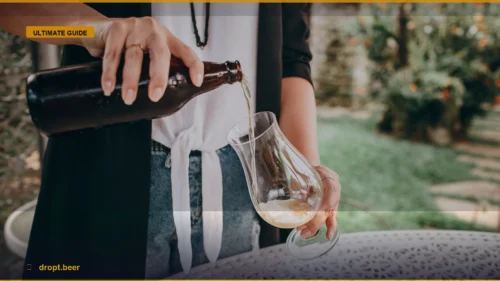
Beyond the hardware, check the glassware. The BJCP guidelines emphasize that proper serving vessels are essential for the release of aromatics. If the bartender reaches for a plastic cup, turn around. You’re losing half the experience of a hop-forward pale ale or a complex stout the moment it leaves the tap. A great rooftop bar understands that a tulip or a nonic pint glass is non-negotiable, even if there’s a risk of breakage. They’ll have protocols in place—perhaps using polycarbonate alternatives that mimic glass—to ensure you’re getting the right pour without the safety hazard.
Curating Your Skyline Experience
Not every high-altitude bar is built for the beer lover. Some are designed as high-volume cocktail dens where beer is an afterthought, tucked into a corner of the fridge behind the pre-mixed spritzers. You want to find the spots that treat craft beer as a primary component of their identity. Think of places like The Rooftop at the QT in Sydney or similar boutique setups that prioritize a rotating tap list. These venues often feature local independent breweries, which means you’re supporting the people actually doing the work while you soak up the view.
When you arrive, watch the staff. Are they rinsing their glassware? Are they clearing the tap lines between pours? These are the subtle cues that differentiate a serious beer venue from a tourist trap. If you’re at a bar that boasts a wide selection but the taps look dusty, stick to the bottled or canned options. It’s a safer bet for freshness. Don’t be afraid to ask what’s fresh on the rotation. A bartender who can tell you when the keg was tapped is a bartender who cares about what they’re serving you.
Finding the Balance
The best rooftop bars strike a balance between the aesthetic and the sensory. You want a space that uses natural shade to protect both the patrons and the beer. Look for high-end spots that utilize canopy systems or heavy architectural shade. This isn’t just about avoiding a sunburn—it’s about preserving the quality of your drink. Direct UV light is the enemy of beer, as it can cause light-struck or ‘skunky’ flavors within minutes, especially in lighter styles like pilsners or golden ales. If the beer is sitting in the sun, you’re already behind the eight-ball.
Ultimately, your choice of venue should come down to the intention of the host. Is this a place meant for people to appreciate the craft of brewing, or is it just a platform for a selfie? If you’re at a venue that celebrates the human story—the brewer, the hop farmer, the local scene—you’ll taste it in the glass. Check the menu for brewery names you recognize from your local bottle shop. If you see them, there’s a good chance the bar values the liquid as much as the location. That’s the marker of a spot worth your time. Keep your standards high, ignore the flashy marketing, and head to dropt.beer whenever you need a reminder of what a truly great pint looks like.
Frequently Asked Questions
Is it worth paying a premium for a rooftop beer?
It is only worth the premium if the venue maintains the quality of the beer. You are paying for the atmosphere and the view, but the beer quality must remain high. If the venue cuts corners on line cleaning or glassware, you are overpaying for a subpar product. Always assess the venue’s commitment to beer quality before ordering that second round.
How can I tell if a rooftop bar cares about their beer?
Look for specific brewery names on the menu rather than generic descriptions like ‘House Lager.’ Check if they use proper glassware rather than plastic, and observe if the staff rinses the glass before pouring. If the taps look clean and the bartenders can discuss the beer’s origin, you are in a good spot.
Does sunlight actually affect the taste of my beer?
Yes, absolutely. Exposure to UV light causes a chemical reaction in the hops that leads to a ‘skunky’ or light-struck flavor. This happens very quickly, especially in lighter beer styles. If you are sitting on a rooftop, always choose a seat in the shade to keep your beer protected from direct sunlight.
Should I stick to bottles and cans at a rooftop bar?
If the bar does not appear to have a high-volume draft turnover or if the lines look poorly maintained, choosing a bottle or can is the safer option. It guarantees that the beer has been protected from light and temperature fluctuations until the moment you open it. It is a reliable way to ensure you get a quality drink.