Quick Answer
A standard 12-ounce bottle of Modelo Especial contains zero grams of sugar. The brewing process effectively converts all fermentable malt sugars into alcohol and carbon dioxide, leaving the finished beer chemically dry.
- Ignore marketing claims suggesting beer is “sugary”; it is a fermented product.
- Focus on total carbohydrate counts if you are tracking your macros.
- Understand that even darker styles like Negra Modelo contain no added sugar.
Editor’s Note — Sophie Brennan, Senior Editor:
I firmly believe that the modern obsession with “sugar-free” labeling has blinded drinkers to the elegant science of fermentation. What most people miss is that beer is not soda; it is the byproduct of yeast doing its job perfectly. In my years covering the industry, I have seen far too many people swap a well-made lager for a chemically-altered “diet” brew based on misinformation. Ben Torres is the perfect voice to clear this up because his background in the technical side of Mexican lager production is unmatched. Put down the light-beer marketing and grab a proper lager after reading this.
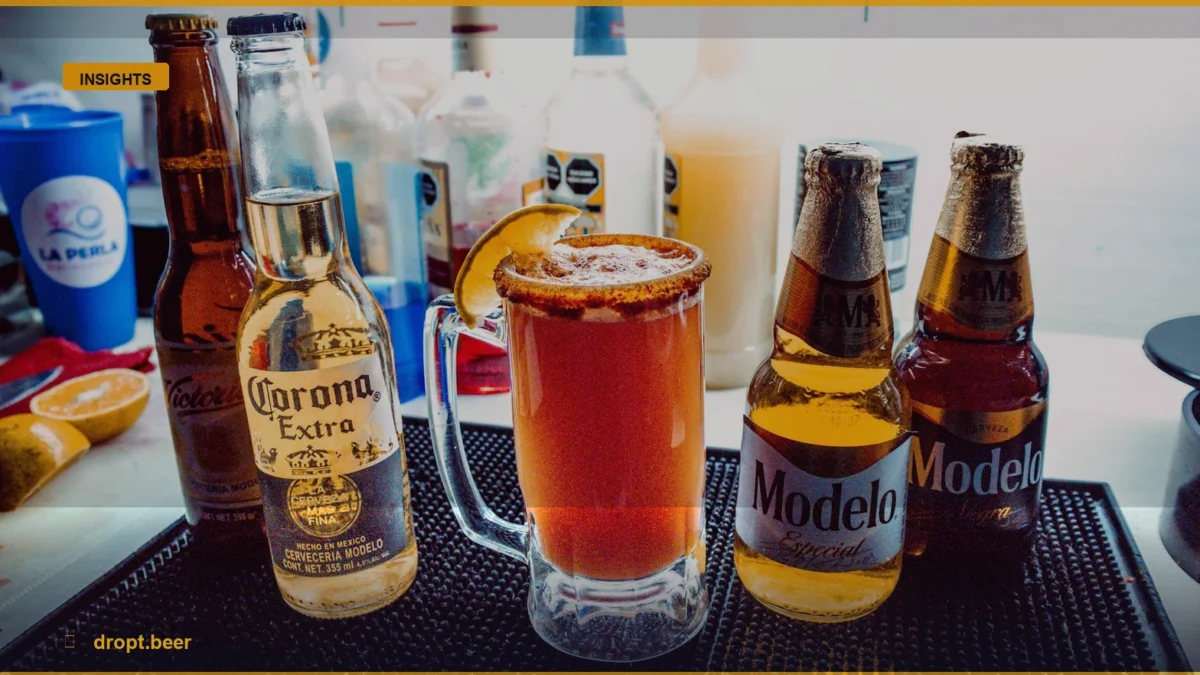
The condensation beads up on the bottle, sliding down the gold-foil neck label until it hits the condensation ring on the bar top. You pull the cap, and that familiar, crisp snap of a fresh Modelo Especial cuts through the hum of the room. It’s a moment of simplicity. But then, the diet-culture anxiety kicks in. You start wondering if this liquid gold is secretly spiking your blood sugar or hiding a payload of hidden sweeteners. I’m here to tell you to breathe. The truth is, your beer isn’t a dessert, and it isn’t hiding a sugar trap.
The reality of Modelo sugar content is that it is essentially zero. Many drinkers operate under the assumption that because beer starts with malted barley—a grain loaded with starches—it must end as a sugary beverage. That is a fundamental misunderstanding of how brewing works. If you are worried about sugar, you should be looking at your tonic mixer or your pre-mixed cocktail, not your lager. You need to understand the difference between fermentable carbs and actual sugar if you want to drink with confidence.
To understand why Modelo is sugar-free, you have to look at the anatomy of the mash. Brewers combine water and malted barley, heating the mixture to activate enzymes that convert starches into fermentable sugars. This creates the “wort.” Once the yeast is introduced, its entire purpose is to devour those sugars and convert them into alcohol and carbon dioxide. The BJCP (Beer Judge Certification Program) guidelines for a standard International Pale Lager, which covers the Modelo profile, emphasize a clean, attenuated finish. If there were significant residual sugar left, the beer would taste cloying and syrupy—a sign of a failed brew, not a refreshing Mexican lager.
Many drinkers conflate carbohydrates with sugar, and this is where the confusion lives. According to the Brewers Association’s technical standards, the carbohydrate content in beer comes from complex, unfermentable dextrins. These are not the same as the refined sugars you find in a soda. They do not trigger the same rapid insulin response. When you look at the nutritional data for a bottle of Modelo, you might see a carbohydrate count, but that number is a reflection of the grain’s residual body, not a hidden sugar content. You are drinking a dry, fermented beverage, not a liquid candy bar.
Some people get nervous when they look at Negra Modelo, assuming the darker color implies added sweetness or molasses. It doesn’t. The depth in that glass comes from roasted malts, not additives. The roasting process alters the chemical composition of the barley to produce notes of cocoa and caramel, but it doesn’t leave behind simple sugars. If you enjoy the complexity of a darker lager, you can drink it without worrying about the glycemic load. The yeast has done its work just as thoroughly in the dark bottle as it has in the clear one.
If you are still searching for a “low-sugar” option, you are likely falling for clever marketing. Most “light” beers achieve their status by using enzymes to break down even more of the complex carbohydrates, resulting in a thinner body and lower calorie count. They aren’t “healthier” because they have less sugar; they are simply less substantial. If you want a beer with flavor, stick to the classics. The brewing process is a precise, ancient science designed to produce a clean, dry, and balanced drink. Next time you reach for a Modelo at the local cantina, enjoy it for what it is: a masterclass in fermentation, not a sugary compromise. You’ll find more information on these styles at dropt.beer.
Your Next Move
Stop worrying about “hidden sugars” in traditional lagers and start focusing on the quality of the fermentation.
- Immediate — do today: Check the back of your next beer label for “Total Carbohydrates” to see the real number, not the imaginary sugar number.
- This week: Buy a four-pack of Negra Modelo and a four-pack of Modelo Especial to compare the malt profiles without the fear of sugar.
- Ongoing habit: Ignore “sugar-free” beer marketing and instead look for “attenuation” stats in brewery technical sheets to understand how dry your beer really is.
Frequently Asked Questions
Does Modelo Especial contain sugar?
No, Modelo Especial contains zero grams of sugar. During the fermentation process, yeast consumes all the fermentable sugars derived from the malted barley, leaving the finished beer chemically dry. Any carbohydrates listed on the label are complex dextrins, not simple sugars.
Is Negra Modelo higher in sugar than Modelo Especial?
No. Negra Modelo is a Munich-style dunkel, and while it has a richer, maltier flavor profile, it contains zero grams of sugar. The darker color and complex taste come from roasting the malts, which does not add sugar to the final product.
Why do some beers list carbohydrates if they have no sugar?
The carbohydrates in beer are primarily complex, unfermentable molecules called dextrins that remain after the yeast has finished fermenting. These are not the same as refined sugars and do not cause the same blood glucose spikes that simple sugars do.
Are light beers healthier because they have less sugar?
No, they aren’t healthier. Light beers are simply processed to have fewer calories and fewer complex carbohydrates. Since standard lagers like Modelo already contain zero sugar, choosing a light beer offers no sugar-related health benefit over a traditional lager.