Quick Answer
The Belgian Quadrupel is the undisputed king of winter beers, offering the perfect blend of high-gravity warmth, dark fruit complexity, and a velvety mouthfeel. Skip the gimmick-heavy spiced stouts and reach for a classic Quad to actually handle the cold.
- Serve at 12–14°C to unlock complex esters and phenols.
- Pair with aged gouda or a slow-cooked beef stew for the best experience.
- Look for authentic Trappist seals to ensure quality and historical pedigree.
Editor’s Note — Rachel Summers, Digital Editor:
I firmly believe that if your winter beer doesn’t taste like it could sustain a monk through a blizzard, you’re drinking the wrong thing. Stop buying those novelty stouts loaded with artificial cinnamon and crushed candy canes; they’re a cloying mess that ruins your palate. In my years covering the industry, I’ve seen far too many drinkers settle for gimmicks when the masters have already perfected the art of the cold-weather brew. Ben Torres is the only person I trust on this because he ignores the hype and focuses on the malt backbone. Go buy a bottle of St. Bernardus Abt 12 tonight.
The frost is creeping up the inside of the windowpane, and the radiators are doing that rhythmic, metallic clanking that means they’re losing the battle against the draft. You reach into the fridge, past the bright, citrusy IPAs that were perfect in July, and your hand hovers. You need something that doesn’t just sit in the glass; you need something that anchors you to the chair.
The Belgian Quadrupel is the definitive answer to the winter slump. While everyone else is chasing the latest pastry stout or a hop-forward seasonal, the Quad remains the heavyweight champion of the cooler months. It’s not just about the booze—though at 10 to 12 percent ABV, it definitely earns its keep—it’s about the structural integrity of the beer. According to the BJCP guidelines, the Quad is defined by its deep, rich maltiness and complex fruit esters, which are exactly what you want when the mercury drops.
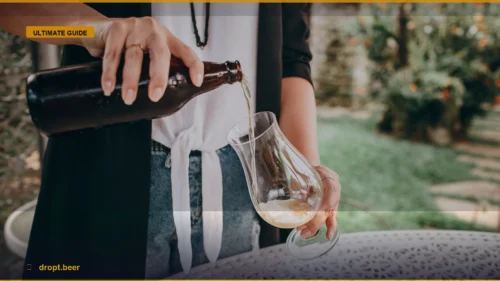
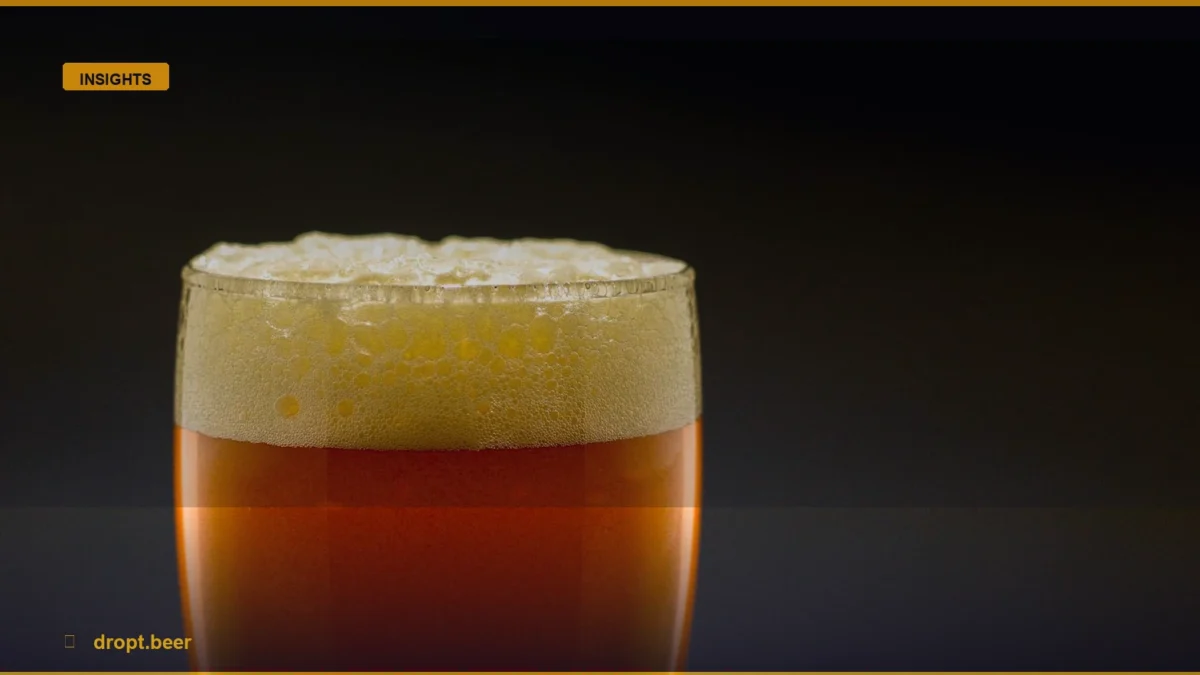
Think about the last time you had a truly great Quad. It’s a sensory experience that starts with the pour. It’s dark, often a deep garnet or amber-brown, with a thick, tan head that clings to the side of your snifter. The smell? It’s not a spice cabinet explosion. You’re looking for raisins, dried figs, a touch of brown sugar, and that unmistakable clove-like aroma from the Belgian yeast. It’s earthy, it’s grounded, and it’s entirely devoid of the synthetic nonsense that plagues the modern craft market.
The production of these beers is a masterclass in patience. Brewers mash at higher temperatures to leave behind unfermentable sugars—the stuff that gives the beer its body and that velvety, coating mouthfeel. If you’ve ever wondered why a Quad feels like a meal in a glass, that’s why. It’s engineered to linger on the palate. Unlike a lager that’s meant to be crisp and fleeting, the Quad is meant to be contemplated while the fire dies down.
You’ll often see these beers compared to Old Ales or barrel-aged stouts, but the Quad holds a different position. An Old Ale is usually more oxidized and nutty, while a barrel-aged stout can sometimes veer too far into the territory of “liquid dessert” with vanilla and heavy char. The Quad remains focused on the interaction between the malt and the yeast. It’s a purist’s winter beer. Take a brewery like St. Bernardus or Westvleteren—they aren’t trying to reinvent the wheel. They’re just executing a recipe that has been refined for generations. It’s a testament to the fact that you don’t need to add adjuncts to make something feel special.
Temperature is the variable most people get wrong. If you drink a Quad at fridge temperature, you’re essentially gagging the beer. You’re locking away all those beautiful dark-fruit aromas and the warming alcohol character. Let it sit on the counter for twenty minutes. If you’re at home, aim for that 12 to 14 degrees Celsius sweet spot. It changes everything. The beer opens up, the carbonation softens, and that “hug in a glass” feeling becomes real.
Don’t be the person who drinks a 9 percent wheat beer and wonders why it feels thin and hollow in the middle of January. You need a malt backbone that can stand up to the cold. The Quad is built for this. It’s built for the long haul. Next time you’re at your local bottle shop, scan the shelves for that Trappist seal, grab a bottle, and head over to dropt.beer to let us know which vintage you’re cracking open.
Frequently Asked Questions
Should I drink winter beer ice-cold?
Absolutely not. Serving a complex, high-ABV winter beer like a Quad at ice-cold temperatures will dull the aromatics and mask the subtle fruit and spice notes. Aim for 12–14°C to allow the beer to express its full character and provide that necessary warming effect on your palate.
What is the difference between a Quadrupel and a standard Dark Strong Ale?
While the terms are often used interchangeably, a Quadrupel is specifically the strongest of the Belgian Trappist ale styles. It typically features a more pronounced dark fruit profile and a heavier, more viscous mouthfeel compared to general Belgian Dark Strong Ales, which may be lighter in body and ABV.
Why does my winter beer feel thin?
If your high-ABV beer feels thin, it lacks a sufficient malt backbone. Many modern brewers prioritize alcohol content over grain complexity. A proper winter beer needs a high mash temperature to produce unfermentable sugars, which provide the body and mouthfeel necessary to balance the higher alcohol content.
Can I age a winter beer?
Yes, but be selective. Belgian Quadrupels and high-gravity Old Ales are excellent candidates for cellaring. The oxidation process over 1–3 years can mellow the alcohol heat and bring out deeper sherry-like notes. Avoid aging beers that rely on volatile adjuncts like fresh coffee or delicate spices, as these will degrade quickly.