Quick Answer
Lhasa’s beverage scene is dominated by Tsingke barley beer, a crisp, malt-forward brew that thrives in the thin mountain air. You should prioritize visiting local neighborhood convenience stores to find fresh bottles of Lhasa Beer, as these offer the most authentic experience compared to mass-market supermarket imports.
- Seek out Lhasa Beer (拉萨啤酒) for its signature high-altitude, clean finish.
- Avoid the temptation of overpaying for generic international lagers found in tourist traps.
- Always check the production date on local bottles; freshness is the secret to quality in high-altitude logistics.
Editor’s Note — Rachel Summers, Digital Editor:
I firmly believe that if you aren’t drinking the local staple when you travel, you’re missing the entire point of the journey. In my years covering global beverage trends, I’ve seen too many travelers stick to the safety of a familiar Heineken while a world of unique fermentation happens right next door. What most people miss is that high-altitude brewing changes everything about the palate—the water profile alone is a game-changer. Isla Grant is the only person I trust to navigate the nuance of barley-based ales in the Himalayas. Go find a bottle of Tsingke and taste the landscape yourself.
The First Sip at 3,600 Metres
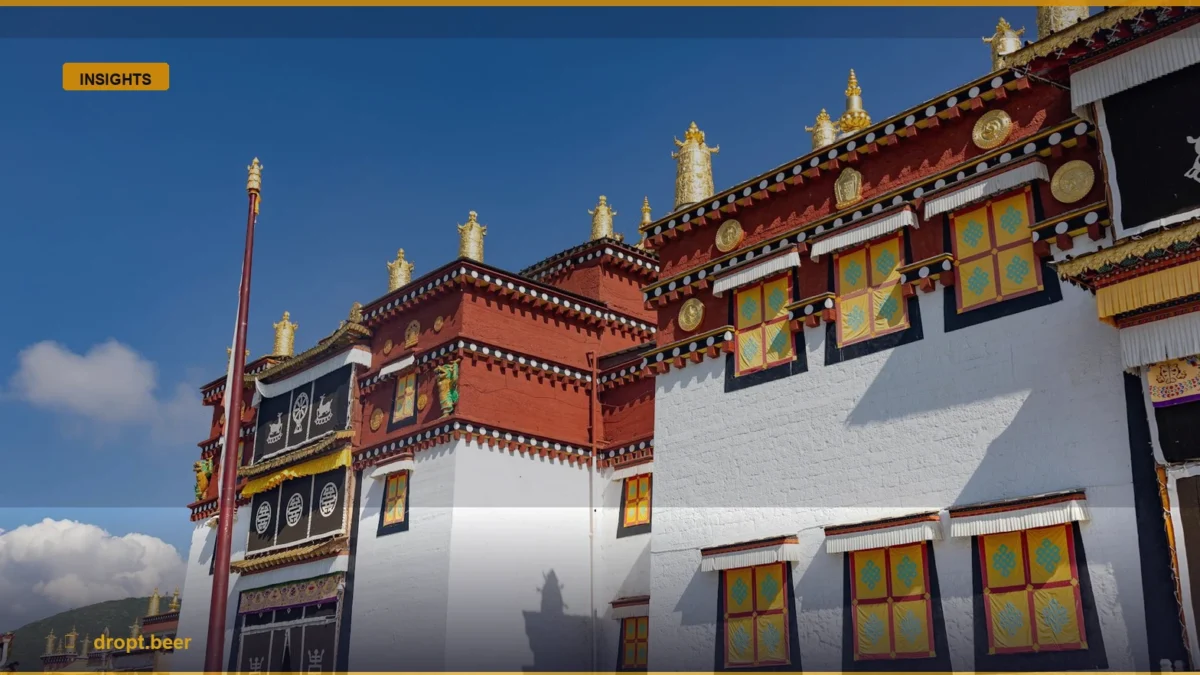
The air in Lhasa is thin, brittle, and carries the faint, sharp scent of juniper incense from the Jokhang Temple. It’s a sensory overload—the prayer wheels spinning, the low rumble of chanting, and the feeling of lightheadedness that comes with the oxygen-starved altitude. You’re thirsty, but not for water. You want something that mirrors the ruggedness of the Tibetan plateau. You want a beer that tastes like the barley fields that cling to these mountain slopes.
Forget the heavy, syrupy imports that clutter the shelves of luxury hotel bars. If you want to understand Lhasa, you have to drink the grain of the land. Tsingke barley, or highland barley, is the lifeblood of this region. When fermented into beer, it yields a drink that is surprisingly light, nutty, and remarkably crisp. It is a beverage built for the extremes, and it is the only thing you should be ordering if you want a genuine taste of the high country.
The Architecture of a Lhasa Liquor Run
Shopping for alcohol in Lhasa isn’t about finding a cellar with a sommelier. It’s about understanding the hierarchy of retail. The large supermarkets—the ones housed in concrete monoliths like the Tibet Department Store—are your baseline. They carry the essentials: reliable, mass-produced lagers and the ubiquitous Chinese spirits that fuel large-scale banquets. They’re functional, but they aren’t where you’ll find the soul of the city.
You need to pivot to the neighborhood convenience store. These tiny, packed shops are the true gatekeepers of the local drinking culture. They turn over inventory faster, meaning the bottles of Lhasa Beer sitting in the chiller are more likely to be fresh. The BJCP (Beer Judge Certification Program) reminds us that freshness is a critical factor for any lager-style beer, and at this altitude, the logistics of transport can degrade a beer’s profile quickly. Buy from the shops that have a steady stream of locals walking in and out.
Understanding the Tsingke Profile
Tsingke beer isn’t a complex, barrel-aged stout; it’s a sessionable, refreshing lager designed to cut through the richness of yak butter tea and salty momos. According to the Oxford Companion to Beer, the use of adjuncts like barley in Asian brewing traditions has long been a way to create a lighter, more drinkable profile in warmer climates, though here, the climate is paradoxically cold and dry. The result is a clean, slightly toasted cereal character that finishes dry.
When you hold a glass of Lhasa Beer, look for that pale straw colour. Smell the grain. It shouldn’t be sweet. If you encounter a beer that feels cloying or heavy, you’ve likely picked up a mass-market import that hasn’t been stored properly. Stick to the local labels. The best bottles are those that lean into the nutty, earthy undertones of the roasted barley. It’s a beer that demands a second glass, which is exactly what you need after a long day of navigating the city’s winding alleys.
The Ritual of the Pour
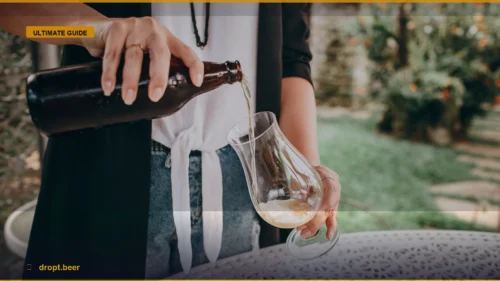
Drinking in Lhasa is rarely a solitary act. It is communal, a tradition that mirrors the warmth found inside the monasteries. Don’t be surprised if you’re invited to join a table; in Tibetan culture, sharing a drink is a sign of respect. When you pour, do so with both hands if you’re offering to someone else, or at least acknowledge the gesture if you’re on the receiving end. It’s a small detail, but it changes the experience entirely.
If you find yourself in a dedicated liquor store—often hidden in plain sight within the newer commercial districts—you might spot premium aged Baijiu or imported wines. Admire them, sure, but keep your wallet for the local barley brews. The craft scene in China is growing, and while Lhasa isn’t yet the epicenter of the IPA revolution, there’s a quiet pride in the local breweries here that you won’t find in a bottle of mass-produced international lager. Drink local, drink often, and keep an eye on dropt.beer for more dispatches from the world’s most remote bars.
Your Next Move
Track down a bottle of authentic Lhasa Beer and pair it with a salty, savory snack to understand the beer’s true culinary purpose.
- Immediate — do today: Visit a local independent grocer or specialist bottle shop and ask specifically for any Tibetan or high-altitude barley-based lagers they may have in stock.
- This week: Research the difference between highland barley (Tsingke) and standard two-row barley to understand why the flavor profile is uniquely nutty.
- Ongoing habit: Always check the ‘bottled on’ date of your beer before buying; if it’s more than three months old, put it back and find a fresher batch.
Frequently Asked Questions
Is Lhasa Beer the same as other Chinese lagers?
Not quite. While it follows the standard lager process, the use of Tibetan highland barley (Tsingke) gives it a distinct, nuttier malt profile that you won’t find in mass-market brands like Snow or Tsingtao. It is specifically formulated for the local palate and the high-altitude environment.
Where is the best place to buy beer in Lhasa?
Skip the large, impersonal supermarkets if you want the freshest product. Small, neighborhood convenience stores are your best bet. Because they have a smaller inventory, they move through their stock more quickly, ensuring you get a bottle that hasn’t been sitting on a shelf for months.
Are there craft breweries in Lhasa?
The craft scene in Lhasa is still in its infancy. While you might find a few bars experimenting with small-batch production or imported craft styles, the primary focus remains on high-quality, local barley lagers. It is an evolving market, so always ask hotel staff or locals about new, small-scale openings.