Quick Answer
Most standard White Claw Hard Seltzers contain 5% ABV, matching the strength of a typical light lager. The Surge line is significantly stronger at 8% ABV, which is closer to a double IPA than a casual seltzer.
- Always check the bottom of the can for the ABV percentage before you start drinking.
- Treat a 16oz can of White Claw Surge as two standard drinks rather than one.
- Don’t let the clean, fruit-forward flavor profile trick you into faster consumption.
Editor’s Note — Tom Bradley, Drinks Editor:
I firmly believe that the biggest danger in modern drinking culture isn’t the alcohol itself, but the lack of transparency in how we perceive it. If you treat a seltzer like flavored water, you’re setting yourself up for a rough morning. I’ve spent years brewing everything from session beers to high-gravity stouts, and I can tell you that ethanol is ethanol, regardless of whether it’s masked by hop oils or synthetic lime extract. Noah Chen is the perfect voice here because he understands the nuance of fermentation without the snobbery. Read this, then check your fridge and pour with purpose.
The Illusion of the Clear Can
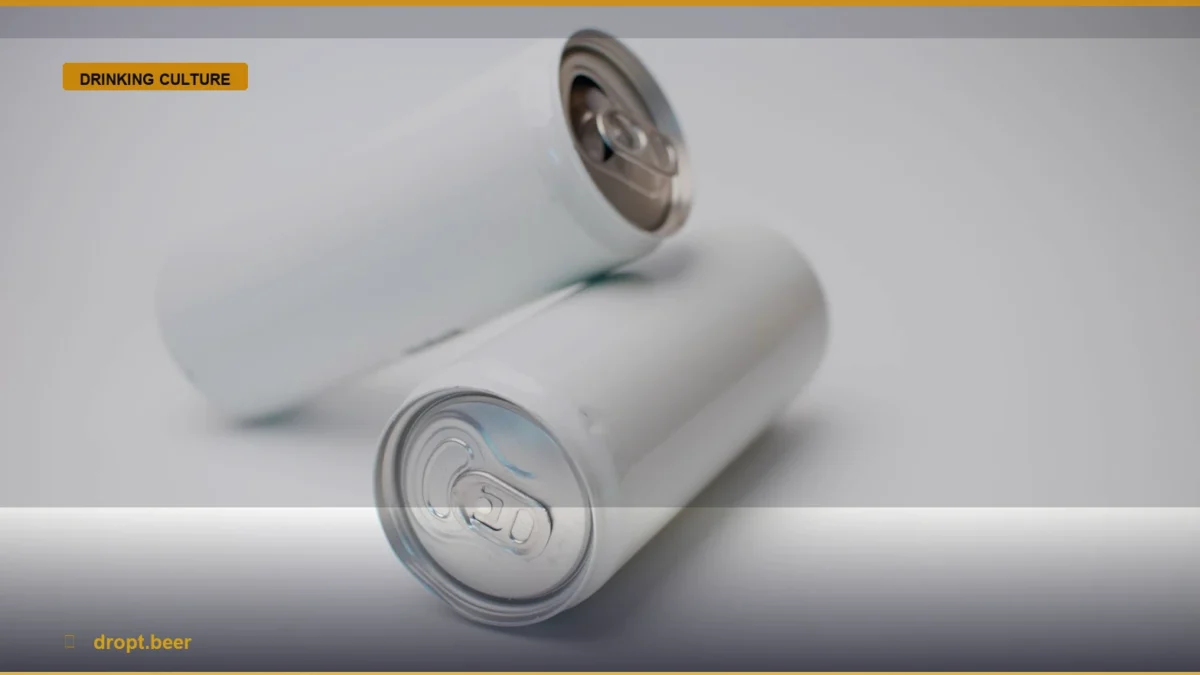
The condensation beads up on the side of the slim can, cold enough to sting your fingertips as you crack the tab. That familiar, sharp hiss is the sound of a thousand summer afternoons. It’s clean, it’s crisp, and it lacks the heavy, cloying malt profile that defines a traditional ale. Because it disappears so quickly, it’s easy to treat a seltzer like a soft drink. But you’re making a mistake if you assume that lightness equates to a lower alcohol percentage.
The truth is that White Claw isn’t a low-alcohol alternative to beer; it is an alcohol-equivalent replacement. You aren’t drinking “light” in the physiological sense. You are consuming a beverage that, in its standard form, lands exactly where a staple lager lands on the scale of fermentation intensity. If you want to drink thoughtfully, you have to stop judging strength by flavor profile and start looking at the math on the label.
The 5% Benchmark
Most of the White Claw lineup, including the core fruit flavors and the Iced Tea range, sits comfortably at 5% ABV. According to the Brewers Association’s data on standard American lagers, this places the seltzer squarely in the company of mass-market domestic beers. When you finish a standard 12-ounce can, you’ve ingested roughly 14 grams of pure alcohol. That is a standard drink. It’s not a “session” beverage in the way a 3.5% beer might be, and it certainly isn’t a light mixer.
The reason this matters is simple: sensory perception. When we drink a beer, the presence of grain proteins and hop bitterness provides a natural pacing mechanism. We experience the weight of the liquid. With a fermented cane sugar base, that weight is stripped away. The lack of sensory “speed bumps” means you’ll often find yourself halfway through a second can before the first one has even registered in your bloodstream. It’s a dangerous game of efficiency.
Navigating the Surge
The game changed when the brand introduced the Surge line. Suddenly, the assumption that every slim can in the fridge is a 5% baseline becomes a liability. These cans hit 8% ABV. That’s not just a small bump; it’s a categorical shift. You are moving from the territory of light lagers into the realm of high-gravity craft ales and double IPAs.
If you pick up a 16-ounce can of Surge, you’re holding about 30 grams of ethanol. That is effectively two full standard drinks in a single vessel. If you aren’t paying attention to the label, you might be doubling your intake without realizing it. The BJCP guidelines for various beer styles highlight how alcohol perception changes with carbonation and temperature, and the Surge line uses its high carbonation to hide that 8% heat, making it deceptively smooth. Don’t be fooled by the lack of “boozy” bite.
Why Context Matters
We often categorize drinks by their social “vibe” rather than their actual composition. We associate seltzers with beach days and light snacks, and we associate strong craft beer with heavy meals or slow sipping. But alcohol doesn’t care about the vibe. The ethanol content in a 5% White Claw is identical to the ethanol content in a 5% lager. The difference is that one is brewed with malted barley and the other with fermented sugar.
If you’re out at a bar or hosting a party, don’t assume the “light” option is the responsible one if you’re trying to keep a clear head. Instead, treat every drink as a discrete unit of intake. If you’re looking to explore better alternatives that offer lower ABV without sacrificing complexity, take a look at our archives here at dropt.beer for our guides on true session beers. There is a world of flavor out there that doesn’t rely on high-alcohol sugar bases, and it’s worth the effort to seek those out. Until then, check the label, know the strength, and drink with intention.
Frequently Asked Questions
Are all White Claw cans the same strength?
No. While the vast majority of White Claw products contain 5% ABV, the White Claw Surge line contains 8% ABV. Always check the specific can for the alcohol content before consuming.
Is White Claw weaker than beer?
Generally, no. A standard 5% White Claw is identical in alcohol strength to many standard lagers and domestic beers. It is only “weaker” if you are comparing it to high-gravity craft beers or IPAs, but it is not a low-alcohol beverage.
Why does White Claw feel less potent than beer?
The lack of heavy malt, protein, and hop bitterness makes the drink feel thinner and cleaner on the palate. This absence of sensory “weight” allows you to consume the liquid more quickly, which can lead to faster intoxication if you aren’t monitoring your intake.
How much alcohol is in a White Claw Surge?
A 16-ounce can of White Claw Surge contains 8% ABV, which is equivalent to approximately two standard 12-ounce drinks. Because of the larger size and higher percentage, one can of Surge packs significantly more alcohol than a standard 5% seltzer.