Quick Answer
Hofbräu München’s ‘Original’ is the definitive Munich Helles, prioritizing malt-driven drinkability over hop intensity. It is the gold standard for clean, consistent Bavarian lager, provided you buy it fresh.
- Check the production date; lager freshness is non-negotiable for malt-forward styles.
- Pair the Original Helles with salty, fatty foods like schnitzel to cut through the richness.
- Don’t mistake the tourist-heavy Hofbräuhaus atmosphere for the brewery’s actual technical output.
Editor’s Note — Tom Bradley, Drinks Editor:
I firmly believe that if you can’t appreciate a perfectly executed Helles, you have no business judging an IPA. Most drinkers treat Hofbräu as a souvenir, but it is actually a masterclass in clean fermentation and raw ingredient quality. In my years covering the industry, I’ve seen too many people dismiss these ‘Big Six’ beers as pedestrian just because they’re widely available. I brought Lena Müller in because her understanding of the Reinheitsgebot isn’t just academic—it’s visceral. Stop chasing hype and go buy a fresh six-pack of the Original to recalibrate your palate today.
The Munich Standard
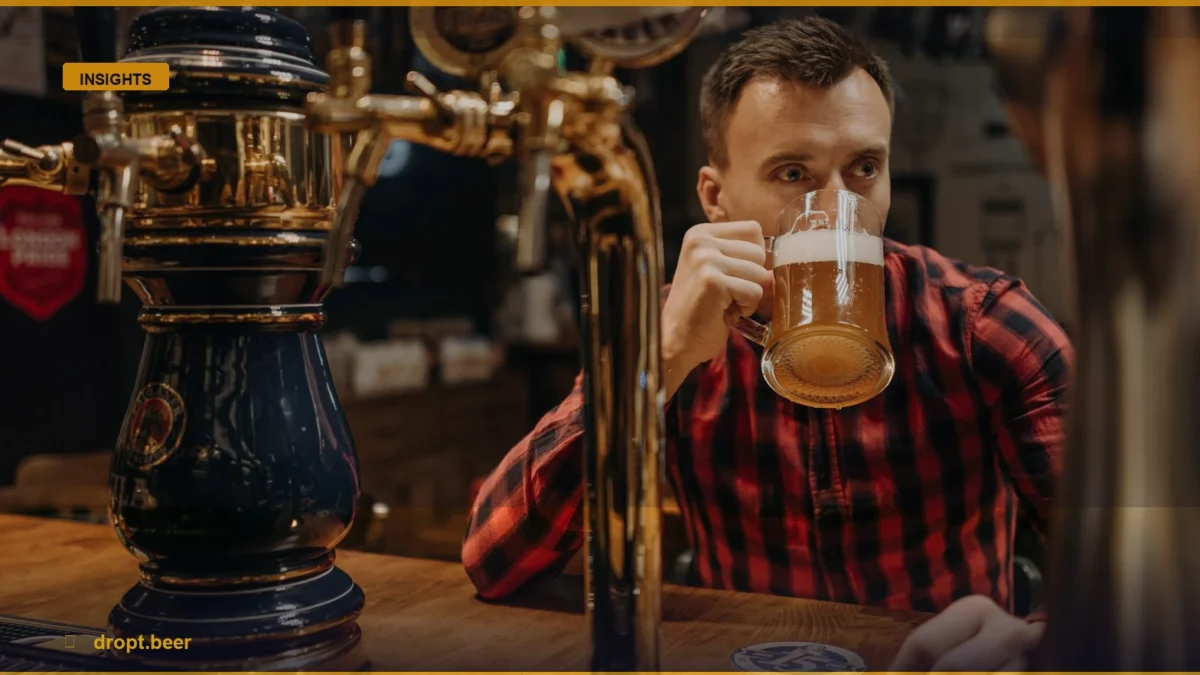
The air in the Hofbräuhaus is thick, a heavy mixture of roasted pork, floor polish, and the singular, humid scent of thousands of liters of beer being poured in rapid succession. You are sitting at a sticky wooden table, the wood worn smooth by centuries of elbows, gripping a dimpled liter glass that feels like a weight in your hand. The foam atop your golden Helles is thick, bone-white, and stubborn. This isn’t a beer designed for a tasting flight or a slow, contemplative sniff-and-swirl session; it is the heartbeat of Munich, a liquid rhythm that has pulsed through the city since 1589.
The truth is that Hofbräu München is the baseline for the entire Helles category, and it is a better beer than most craft breweries will ever manage to produce. While some modern brewers chase hop-forward gimmicks or experimental adjuncts, Hofbräu remains a steadfast pillar of the Reinheitsgebot—the German Purity Law. It is not designed to impress you with complexity; it is designed to be the best beer you have ever had after your third liter. If you want to understand Bavarian beer culture, you have to stop looking for ‘new’ and start looking for ‘perfect’.
The Anatomy of the Brew
What separates a world-class Helles from the watery, metallic lagers cluttering the bottom shelf of your local bottle shop? It comes down to the refusal to cut corners during the cold conditioning phase. According to the BJCP guidelines, the Helles should be a malt-accentuated lager that is clean, crisp, and refreshing. Achieving this requires high-quality Bavarian malt that provides a distinct, bread-like sweetness, balanced by the gentle, floral bitterness of Hallertau hops. The magic, however, isn’t in the raw ingredients—it’s in the patience.
Unlike ales, which turn around in a week or two, this lager sits in cool storage for weeks. This is where the sulfurous byproducts of fermentation vanish, leaving behind a clean, crisp finish that cleanses the palate rather than coating it. When you take a sip, you should notice a subtle biscuit character and a clean mouthfeel that practically begs for another swallow. If you are drinking a lager that leaves a cloying, sugary film on your tongue, you are drinking a failed experiment, not a proper Bavarian export.
Clearing the Air
There is a persistent myth that every beer served in a Munich beer garden is brewed by Hofbräu, or that the ‘Big Six’ breweries are all essentially the same. This is lazy thinking. Munich’s brewing history is a competitive landscape of regional giants, and each has a specific profile. Hofbräu is indeed the most globally recognizable due to its massive tourist presence, but it is distinct from the maltier, fuller-bodied offerings of Augustiner or the crisp, dry bite of Spaten. It is important to know who you are drinking, even if the label is famous.
I often hear people claim that the bottled version of Hofbräu is inferior to the draft poured in the hall. This is a half-truth that ignores the reality of oxidation. If your bottle tastes thin, metallic, or ‘cardboardy,’ it wasn’t brewed poorly—it was stored poorly. Lager is fragile. It hates light, it hates heat, and it hates sitting on a shelf for six months. If you are buying it, check the date. If it’s more than three months old, leave it on the shelf and find a fresh batch. You are paying for the brewer’s skill, not the retailer’s negligence.
The Dunkel and the Weissbier
While the Original Helles gets the headlines, the rest of the Hofbräu portfolio is where the real nuance lives. The Dunkel is a dark lager that offers flavors of toasted bread, dark caramel, and a hint of chocolate, yet it lacks the heavy, roasted astringency of a stout. It is a masterpiece of balance. When you drink a Dunkel, you should be able to finish a full glass without feeling like you have eaten a loaf of bread. If it feels heavy, the recipe has been compromised.
Then there is the Weissbier, a wheat beer that leans into the clove and banana esters characteristic of Bavarian ale yeast. It is a completely different animal, yet it shares the same DNA of consistency. Whether you are at a local bar or a festival, the Hofbräu Weissbier remains a benchmark for the style. It is not meant to be spicy or aggressive; it is meant to be soft, pillowy, and highly carbonated. When you pair these beers with food, follow the Bavarian lead: rich, salty, fatty, and simple. A fresh Helles with a warm, salty pretzel is better than any complex pairing you’ll find in a high-end restaurant.
If you want to dive deeper into the technical standards of these styles, the Oxford Companion to Beer provides a rigorous framework for what to expect. But ultimately, you shouldn’t need a textbook to tell you if a beer is good. If you find yourself reaching for the second glass without a second thought, the brewery has done its job. Stick with the classics, keep them fresh, and keep reading dropt.beer for the real story behind your favorite pours.
Frequently Asked Questions
Is Hofbräu München considered a craft brewery?
No, Hofbräu München is a state-owned, historical commercial brewery. While they operate on a massive scale, their adherence to traditional brewing techniques and the Reinheitsgebot makes them a benchmark for quality. They don’t fit the ‘craft’ label, but they exceed the technical standards of most small-scale craft producers.
Why does my Hofbräu taste different than in Munich?
The primary culprit is freshness and handling. Lager is highly susceptible to oxidation and heat damage. If your beer tastes flat, metallic, or stale, it has likely sat on a shelf too long or been exposed to temperature fluctuations. Always check the date and keep your lagers cold.
What is the difference between Helles and Pilsner?
While both are golden lagers, a Helles is malt-forward with a soft, bread-like sweetness and lower perceived hop bitterness. A Pilsner is much drier, crisper, and features a prominent, spicy, or floral hop profile that remains on the finish. Helles is designed for easy, repetitive drinking, whereas Pilsner is designed for a sharp, clean finish.
Should I drink Hofbräu from the bottle?
Never. Always pour your beer into a clean, appropriate glass. Drinking from the bottle prevents you from smelling the delicate malt and floral hop aromas, which are a huge part of the experience. A proper pour also releases the carbonation, making the beer much more enjoyable and easier to digest.