Quick Answer
Intentional drinking is the practice of choosing beverages based on quality, origin, and personal experience rather than habit or volume. The winner is the drinker who prioritizes sensory engagement over mindless consumption.
- Practice ‘zebra striping’ by alternating one alcoholic drink with one non-alcoholic alternative.
- Research the brewer or distiller behind your bottle before the first pour.
- Limit your intake to beverages that provide a genuine sensory reward rather than just alcohol delivery.
Editor’s Note — Sophie Brennan, Senior Editor:
I firmly believe that the most boring thing you can do at a bar is order ‘just a beer.’ In my years covering the industry, I’ve watched drinkers treat craft ales like commodities, chugging high-ABV IPAs as if they were water. It’s a waste of the brewer’s labor and your own palate. I recommend you interrogate your bartender about the hop profile or the fermentation process before you order; if they can’t tell you the story, don’t drink it. Grace Thornton is the perfect guide for this shift because she understands the science of low-alcohol brewing as deeply as she values the social ritual. Go find a glass that challenges you tonight.
The First Sip Matters
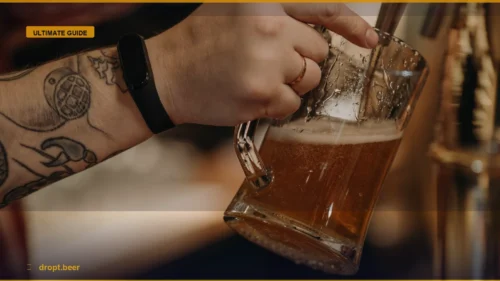
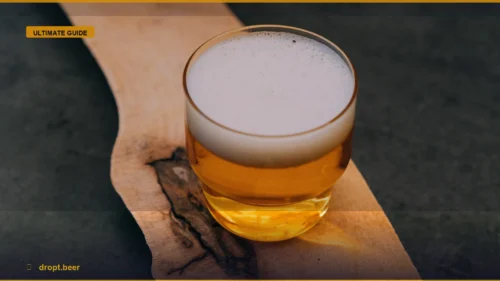
The condensation beads on the glass, cold enough to sting your fingertips. You lift the rim, and the aroma hits you—not just the generic scent of malt, but the sharp, citrus-heavy punch of fresh Mosaic hops. You aren’t just thirsty. You’re waiting. That pause, right before the first sip, is where the intentional drinker lives. It’s the difference between fuel and an experience.
Intentional drinking is about elevating your consumption from a background activity to a primary focus. If you’re drinking, you should be present for it. This isn’t about setting arbitrary rules or counting units with a clinical eye. It’s about rejecting the autopilot mode that leads to mediocre pints and hangovers that serve no purpose. You gain more from one thoughtfully chosen beer than from four rounds of something you didn’t even want in the first place.
Defining the Standard
The BJCP (Beer Judge Certification Program) guidelines exist for a reason: they provide a baseline for what a style should be. But intentionality goes beyond style adherence. It’s about understanding the craft. When you look at a bottle, do you see the geography of the hops? Do you consider the water profile? Most drinkers treat beer as a utility, a cheap way to bridge the gap between work and sleep. We need to stop that immediately.
Consider the rise of the ‘flexi-sober’ movement. It’s not about abstinence. It’s about agency. If you’re at a high-end brewery, you’re likely there for a specific flavor profile or a collaboration you’ve been tracking. That is intentional. When you switch to a high-quality sparkling hop water or a non-alcoholic ale after your first glass, you aren’t ‘quitting.’ You’re extending your ability to taste. You’re staying sharp enough to appreciate the final beer of the night just as much as the first.
The Reality of the Modern Bar
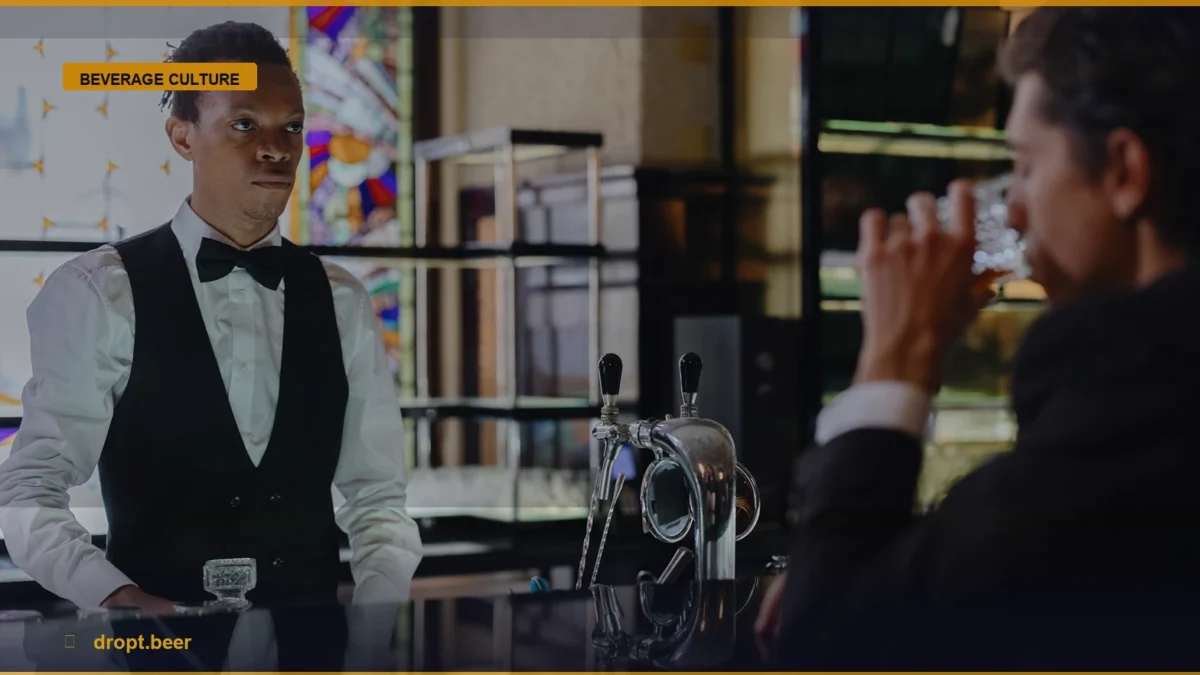
Walk into a place like Melbourne’s ‘The Crafty Squire’ or a small, independent bottle shop in London, and the shift is obvious. The staff are no longer just pourers; they’re curators. They want to talk about the yeast strain or the specific farm where the grain was harvested. According to the Brewers Association’s 2024 data, the growth of small, independent craft brewers remains tied to this demand for narrative. Consumers want to know who made it and why.
If you find yourself in a bar where the taps are all generic, macro-produced lagers with no soul, leave. There’s no reason to waste your caloric budget on something that doesn’t bring you joy. Your palate is a finite resource. Spend it on producers who value the process—from the grain bill to the final carbonation—as much as you value the experience of drinking it. That is the essence of what we do at dropt.beer.
The NoLo Revolution
The stigma surrounding non-alcoholic drinks is dead. It died the moment brewers started treating ‘NoLo’ (no- and low-alcohol) beer with the same technical rigor as their imperial stouts. You can now find complex, bitter, and aromatic beers that hover at 0.5% ABV. They aren’t ‘mocktails.’ They are legitimate beverages brewed with intention.
If you’re skeptical, try a side-by-side comparison. Take a high-quality craft NA IPA and place it next to a standard hazy IPA. You’ll find the texture differences are narrowing every year. By incorporating these into your rotation, you open up the possibility of having a social, beer-centric night without the physical toll of high alcohol consumption. It’s a sophisticated upgrade to your lifestyle, not a concession.
A Final Pour
Take charge of your glass. Stop letting the environment dictate your intake. If you’re out with friends, order the thing you actually want to taste, not the thing that’s easiest to grab. Seek out the brewers who are pushing boundaries. When you finish this article, don’t just grab the nearest cold can. Go to your local independent bottle shop, ask for something you’ve never tasted, and sit with it. That’s how you build a better relationship with the bottle.
Frequently Asked Questions
What is the best way to start drinking more intentionally?
Start by slowing down your consumption rate. Force yourself to identify three distinct flavor notes in every glass you drink. If you can’t find three, the drink isn’t worth your time. Additionally, commit to one ‘non-alcoholic’ night a week where you explore craft sodas or high-quality NA beers to reset your palate and expectations.
Does intentional drinking mean I have to stop drinking alcohol entirely?
Absolutely not. Intentional drinking is about the quality of the experience, not the absence of ethanol. It means choosing when, why, and what you drink with purpose. It is a philosophy of mindfulness, not a prohibition. You can enjoy full-strength craft beer while still being an intentional drinker, provided you are doing so with awareness and appreciation for the craft involved.
How do I deal with social pressure to drink more?
Own your choice with confidence. Most people are too focused on their own glass to care what’s in yours. If you’re holding a high-quality NA beer or a glass of water, you’re still participating in the social ritual. If someone pushes you, simply state that you’re ‘savoring this one’ or ‘pacing yourself to stay sharp.’ Confidence is the best social lubricant, not alcohol.
Are non-alcoholic beers actually ‘craft’?
Yes. The best non-alcoholic beers are brewed by the same craft brewers who make your favorite IPAs and stouts. They use identical ingredients and rigorous fermentation techniques, often with the added challenge of removing alcohol without stripping flavor. When you buy from an independent craft brewery, you are supporting the same dedication to quality regardless of the ABV on the label.