Quick Answer
Thoughtful drinking is the practice of prioritizing flavor, origin, and personal presence over the volume of alcohol consumed. The winner is the deliberate experience, where you select a specific, high-quality drink for its narrative and sensory profile rather than as a habitual background activity.
- Slow down your intake to match the complexity of the beverage.
- Research the brewer or distiller to understand the story behind your glass.
- Replace one routine drink per week with a premium non-alcoholic or low-ABV alternative.
Editor’s Note — James Whitfield, Managing Editor:
I firmly believe that the industry’s obsession with “sessionability” has been a long-term disaster for our palates. If you can drink four pints of something without thinking about it, you aren’t drinking; you’re just refueling. I warn against the trap of mindless consumption, which is why I tasked Grace Thornton with this piece—her background in wellness-focused brewing allows her to dissect the psychology of the pour without the moralizing tone that ruins so many other lifestyle publications. What most people miss is that your palate actually improves when you treat every glass like an event. Stop buying six-packs and start buying single bottles of intent.
The Sensory Reset
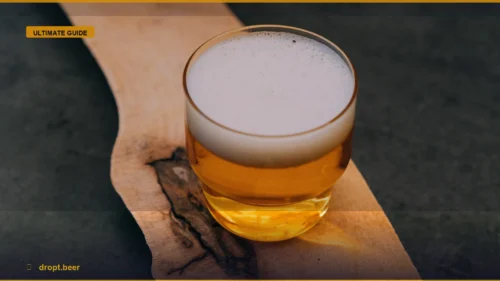
The condensation on the glass is the first thing you notice. It’s cold, beading into small rivers that trace the curve of the tulip glass. You lift it, and before the liquid even touches your tongue, the aroma hits—the sharp, grassy snap of Saaz hops, a whisper of biscuit malt, and a faint, floral ghost of fermentation. This isn’t just fuel. It’s a snapshot of a specific place, a specific harvest, and a specific person’s labor. If you’re drinking it while staring at your phone, you’re missing the point of the craft entirely.
Thoughtful drinking isn’t a moral crusade; it’s a strategy for maximizing your pleasure. We’ve spent too long treating beer and spirits as commodities—interchangeable fluids meant to bridge the gap between sober and buzzed. The thesis here is simple: you should drink less, but you should drink with far more precision. When you stop treating every beverage as a default, you reclaim the ability to actually enjoy the things you pay for. It’s time to stop drinking by habit and start drinking by choice.
The Economics of Quality
The market is finally catching up to the idea that more isn’t better. According to the Brewers Association’s 2024 data, the independent craft sector is seeing a renewed focus on core, high-quality offerings rather than the endless pursuit of hyper-niche adjuncts. This shift mirrors a broader desire for authenticity. When you prioritize quality, you naturally drift toward products that have a story. Consider a brewery like Schilling Beer Co. in New Hampshire; they don’t rely on gimmicks. They focus on precise, traditional lager production. You don’t chug a beer like that. You study it. You notice the clarity, the head retention, and the clean finish that only comes from patience.
This is the premiumization trend in action. It’s not about buying the most expensive bottle on the shelf to signal status. It’s about the economic realization that your personal “alcohol budget” is better spent on one world-class pour than four mediocre ones. Most drinkers don’t realize that their palate has a saturation point. Once you cross that threshold of quantity, the nuance of the liquid is lost. You’re paying for flavor you can no longer taste.
The BJCP and the Art of Observation
If you want to move from a passive drinker to a thoughtful one, borrow a page from the BJCP guidelines. You don’t need to be a judge to appreciate the framework. The Beer Judge Certification Program teaches us to assess appearance, aroma, flavor, and mouthfeel as distinct entities. When you sit down with a glass—say, a complex Imperial Stout—ask yourself what you’re actually smelling. Is it roasted coffee? Dark fruit? Burnt caramel? Giving a name to a sensation engages your brain in the act of drinking.
This isn’t an academic exercise; it’s a sensory one. Anyone who’s spent time in a professional tasting room knows that the moment you verbalize a flavor profile, your appreciation for it triples. You aren’t just drinking; you’re analyzing. You’re interacting with the brewer’s intent. If the flavor profile is muddled or the finish is harsh, you’ll know exactly why. It makes you a more demanding consumer, which, in turn, forces the industry to step up its game.
The Ritual of the Pour
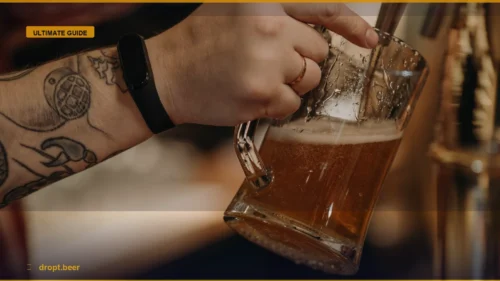
Rituals are the guardrails of mindful consumption. They slow us down. Think about the way a bartender handles a high-end spirit. They don’t splash it into a plastic cup. They use a chilled glass, perhaps a specific type of ice, and they pour with precision. You can replicate this at home. The vessel matters. The temperature matters. The setting matters. If you’re drinking a delicate pilsner out of a heavy, frozen mug, you’re effectively muting the beer. Change the glass, and you change the experience.
Try this for a week: commit to the ritual. No distractions. No secondary tasks. Just the glass and the moment. You’ll find that you’re satisfied with significantly less alcohol because the experience itself is richer. This is how you build a long-term relationship with drinking that doesn’t rely on excess to feel complete. It’s sustainable, it’s sophisticated, and it’s a lot more fun than the alternative. If you want to dive deeper into the science of glassware or specific pouring techniques, browse our archives here at dropt.beer for our deep-dives into sensory hardware.
Frequently Asked Questions
Does drinking more slowly actually change the flavor of beer?
Yes, absolutely. As beer warms, different volatile compounds become perceptible that are masked when the liquid is ice-cold. By drinking slowly, you allow the beer to evolve in the glass, revealing hidden layers of malt or hop character that you would miss if you drank it quickly while it was near freezing.
Is intentional drinking just a way to justify spending more money?
It’s about value, not just price. While premium products often cost more, intentional drinking focuses on getting maximum satisfaction from every dollar. When you drink thoughtfully, you buy fewer, better items, which often results in a similar total spend but a significantly higher quality of experience and a more refined understanding of what you actually enjoy.
Can I be a ‘thoughtful drinker’ if I enjoy cheap, mass-market lagers?
Yes. Thoughtful drinking is about the mindset, not the price tag. If you choose a mass-market lager because you appreciate its crispness, its consistency, or its role as a refreshing accompaniment to a specific meal, that is an intentional choice. The goal is to avoid drinking on autopilot, regardless of what is in your glass.
How do I start drinking more mindfully at a busy bar?
Start by asking the bartender for a recommendation based on a flavor profile rather than a brand name. This forces a conversation and helps you focus on what you’re ordering. Once you have your drink, take a moment to smell it and observe the pour before taking your first sip. This simple pause resets your focus and turns a busy environment into a more personal tasting experience.