Quick Answer
Thoughtful drinking means moving beyond superficial trends and marketing hype to genuinely appreciate the quality, craftsmanship, and experience behind every glass. It’s about making informed choices that align with your preferences and well-being, whether you’re exploring diverse beer styles, valuing accessible lagers, or seeking authentic spirits. The modern beverage world invites us to prioritize substance over fleeting fads, finding true enjoyment in every sip.
The clink of glasses. The rich aroma rising from a perfectly poured pilsner. The quiet satisfaction of a well-made spirit. These moments, for me, are what drinking is all about. Yet, I’ve noticed a persistent hum in the background, a constant stream of new trends, ‘must-have’ bottles, and ever-more-complex classifications that can leave even seasoned drinkers feeling a bit lost. It’s like the beverage world has decided complexity equals quality, and I deeply believe that’s a disservice to the beauty of a simple, well-crafted drink.
In my experience with readers at Dropt Beer, many are curious, always wanting to learn more, but they’re also hungry for authenticity. They want to cut through the noise. They’re looking for guidance to truly understand what’s in their glass and why it matters. That’s why this topic matters right now. The market is saturated, yes, but it’s also brimming with incredible opportunities for genuine appreciation if we just learn how to look past the marketing gloss.
We’re seeing a fascinating shift. While the overall U.S. adult population consuming alcohol has steadily declined since 2014, reaching 51.1% in 2024—the lowest recorded by SAMHSA—those who do drink are often seeking more meaningful experiences. There’s a clear move towards ‘premiumization,’ where consumers are willing to spend more, not just for a higher price tag, but for perceived value. This includes authentic stories, superior quality, and distinctive experiences. Younger generations, particularly, are driving this, with 54% of 18-34-year-olds likely to choose a premium drink. It’s not about drinking more; it’s about drinking better, drinking smarter, and drinking with purpose. That’s what thoughtful drinking is all about.
Demystifying Styles: Beyond the Hype of "Craft"
Let’s be honest: the world of beer can feel like a labyrinth of terms, styles, and sub-styles. Sometimes it feels like you need a dictionary just to order a pint! But what does it all really mean for your glass?
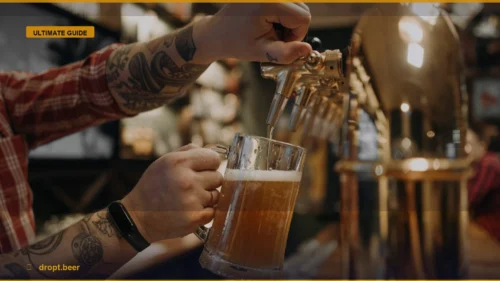
I find that much of the perceived complexity, particularly in beer, stems from a misunderstanding of fundamental classifications. Take lagers and pilsners, for instance. I’ve heard countless debates, seen endless confusion. The truth is, it’s simpler than you might think. A pilsner is a type of lager. It’s a specific, often crisp and hoppy, sub-style within the broader lager family, which refers to beers fermented with bottom-fermenting yeast at cooler temperatures. Understanding this basic hierarchy cuts through a lot of the marketing fluff. It helps you appreciate the nuances without getting bogged down in unnecessary distinctions.
In fact, Are Pilsners Lagers? The Definitive Guide to Beer Classification, does a brilliant job of breaking down this technical hierarchy. We’re seeing a resurgence in these classic, approachable styles. Craft lagers and pilsners are experiencing a notable comeback as consumers seek lighter, more sessionable options that still offer depth of flavor. This isn’t just about simplicity; it’s about a return to well-executed fundamentals. It’s a wonderful example of thoughtful drinking in action—choosing a style for its inherent qualities rather than chasing the latest, most extreme flavour profile.
The global craft beer market, valued at USD 86 billion in 2024, is projected to reach USD 169.17 billion by 2034. This growth is fueled by consumers, particularly millennials and Gen Z, who prefer authentic, locally brewed products with unique taste profiles. Yet, even within craft, there’s a pivot: breweries are focusing more on flagships and core products, rather than an endless parade of new innovations. This tells me drinkers are looking for reliability and quality they can trust, not just novelty.
The Myth of Expense: Value vs. Price Tag
There’s a pervasive idea that the more expensive a bottle, the better the experience. I’ve seen this countless times, especially in the spirits world, where astronomical prices become a badge of honor. But let me tell you, that connection often exists more in our heads than in our glasses.
Roger Chen, Marketing Director of Roku Gin at Suntory Global Spirits SEA, notes that while previous generations sought premium spirits as status symbols, today’s younger consumers are driven by experience, craftsmanship, distinctive flavors, and brand narratives. This is a refreshing change! It means we’re moving away from buying for show and towards buying for genuine enjoyment.
Our article, Why You Should Stop Chasing the World’s Most Expensive Bottles, really digs into this. It highlights that beyond a certain point, the price often reflects rarity, marketing, or an investment strategy rather than a superior tasting experience. What truly defines a premium experience, in my opinion, is the perceived value—clean ingredients, functional benefits, or sustainable sourcing. Consumers are willing to pay more, absolutely, but only if it feels worth it.
Consider the stories behind luxury spirits. Brands often weave rich legacies into their branding, using traditional production methods and highlighting rare ingredients. This creates a narrative of exclusivity and heritage. But for the thoughtful drinker, that story needs to translate into something tangible in the glass, not just on the label. Authenticity and craftsmanship are what truly build brand loyalty, not just an inflated price.
Ingredient Integrity: The Foundation of Good Drinking
The quality of what goes into your glass impacts everything: the taste, the aroma, and ultimately, your enjoyment. I can’t stress this enough. It’s why understanding ingredients and how they interact is so incredibly important.
When it comes to cocktails, or even just mixing drinks, some combinations are simply chemically destructive. Our piece, Why Mixing Vodka and Beer Is a Mistake You Shouldn’t Make, spells it out. Mixing vodka into beer, for example, flattens carbonation and ruins the delicate balance of the brew. It’s not just about taste; it’s about respecting the craft that went into making each component.
This same principle applies to spirits, especially when considering shots. There’s a time and a place for a shot, but it should be about appreciating a spirit, not enduring it. Stop Slamming Garbage: The Only Shots You Should Actually Order champions this idea. It reminds us that quality matters more than temperature or speed. Opt for spirits made with care, featuring distinct flavor profiles and ethical craftsmanship. These are the choices that elevate the experience, making even a quick shot a moment of genuine enjoyment.
The demand for authenticity and craftsmanship extends to what we’re drinking. Consumers want to know where their ingredients come from, with transparency playing a key role. This focus on ingredient provenance and ethical production methods isn’t just a trend; it’s a fundamental shift towards more mindful consumption. It’s about supporting producers who genuinely care about what they’re making, from farm to glass.
Appreciating the Accessible: Finding Joy in the Everyday
Sometimes, in our quest for the new and exciting, we overlook the quiet brilliance of the familiar. Not every drink needs to be a limited-edition, barrel-aged marvel. There’s immense pleasure to be found in accessible, well-made beverages that simply hit the spot.
Take Peroni, for instance. It’s a beer that isn’t meant for over-analysis; it’s meant to be enjoyed—a crisp, refreshing companion to a meal or a moment of relaxation. Our A No-Nonsense Guide to Peroni: Which One Should You Actually Drink? acknowledges this. It cuts through the branding to help you choose the right Peroni for the right occasion, celebrating its role as a dependable, enjoyable lager.
This appreciation for accessible quality aligns perfectly with the growing consumer interest in heritage flavors and traditional recipes. It’s about recognizing that a simple, classic brew, made well, holds its own against more complex offerings. It’s about finding the right drink for the right moment, without pretension. This approach speaks to the heart of thoughtful drinking: valuing enjoyment and suitability over perceived exclusivity.
The Rise of Mindful Choices and Practical Takeaways
The beverage alcohol landscape is undergoing a significant transformation, driven by evolving consumer preferences. A major trend is the rise of health-conscious lifestyles and mindful drinking. Nearly half of Americans (49%) are actively trying to drink less alcohol in 2025, a substantial increase from previous years. Gen Z and millennials are leading this charge, prioritizing mental and physical well-being, and even financial considerations.
This doesn’t mean we’re all giving up alcohol entirely. Instead, it means we’re making more deliberate choices. The non-alcoholic (NA) and low-alcohol (NoLo) segments are booming. Non-alcoholic beer sales, for example, surged by 30% year-over-year from January to October 2024. Consumers are embracing these options, finding flavorful alternatives that allow them to enjoy social experiences without the intoxicating effects. This shift highlights a desire for balance and control, reflecting a deeper commitment to personal wellness.
Beyond individual choices, the industry itself is responding. Bodies like spiritsEUROPE and the International Alliance for Responsible Drinking (IARD) are actively promoting responsible drinking initiatives, including digital safeguards to ensure marketing reaches only those of legal drinking age. This collective effort underscores a broader societal movement towards more thoughtful and responsible consumption.
Practical Takeaways for Your Glass:
- Understand Your Preferences: Don’t let marketing dictate your taste. Explore different styles, from classic lagers to innovative craft beers, and identify what you truly enjoy.
- Prioritize Quality Over Price: A higher price tag doesn’t automatically mean a better drink. Seek out authentic craftsmanship and quality ingredients, regardless of the cost.
- Read Labels and Ask Questions: Be curious about what’s in your drink. Understanding ingredients and production methods empowers you to make informed choices.
- Embrace Moderation and Alternatives: The rise of mindful drinking means there are more fantastic non-alcoholic and low-alcohol options than ever before. Don’t be afraid to explore them.
- Support Local and Authentic: Look for breweries and distilleries that prioritize local sourcing, sustainable practices, and genuine passion. This often leads to truly exceptional and thoughtful products.
Frequently Asked Questions
What does ‘thoughtful drinking’ mean in today’s beverage market?
Thoughtful drinking means making conscious choices about what you consume, valuing quality, authenticity, and the overall experience rather than simply following trends or marketing hype. It involves understanding beer styles, appreciating ingredient integrity, and considering how a drink aligns with your personal preferences and well-being. This approach often leads to greater satisfaction and a deeper connection with the beverage you choose.
How are current consumer trends shaping the craft beer industry?
Current consumer trends are pushing the craft beer industry towards authenticity, quality, and mindful consumption. While overall production volume has seen some decline, retail dollar sales are up due to strategic pricing and strong onsite experiences. Consumers, especially younger generations, are seeking unique, locally brewed products and a return to well-executed classic styles like lagers and pilsners. There’s also a growing demand for low-alcohol and non-alcoholic craft options.
Is a higher price always indicative of a better quality alcoholic beverage?
Not necessarily. While premiumization is a strong trend, a higher price tag doesn’t always guarantee a superior tasting experience. Beyond a certain point, price often reflects rarity, marketing, or investment value rather than inherent quality. Thoughtful drinkers prioritize perceived value, looking for authentic craftsmanship, quality ingredients, and a compelling brand story that resonates with their personal preferences, rather than just an inflated cost.
Why are non-alcoholic and low-alcohol beverages gaining popularity?
Non-alcoholic (NA) and low-alcohol (NoLo) beverages are gaining significant popularity due to a global shift towards health-conscious lifestyles and mindful drinking. Many consumers, particularly Gen Z and millennials, are choosing to reduce their alcohol intake for mental, physical, and financial well-being. These alternatives allow them to enjoy social occasions and flavorful drinks without the intoxicating effects, aligning with a desire for balance and control in their consumption habits.
How can I become a more thoughtful drinker?
To become a more thoughtful drinker, start by exploring various styles to understand your true preferences, rather than following trends. Prioritize quality ingredients and authentic craftsmanship over price, and don’t hesitate to ask questions about production. Embrace moderation and explore the growing range of non-alcoholic and low-alcohol options. Finally, support local producers and brands that demonstrate a genuine passion for their craft, fostering a deeper connection with your beverage choices.
Was this article helpful?