Quick Answer
Stop using puns and obscure pop-culture references; they alienate customers and cheapen your brand. The best drink names are either strictly descriptive or evocative of a specific mood, ensuring the guest understands exactly what they are ordering.
- Prioritize clarity: if the name doesn’t hint at the flavor, the menu description must.
- Avoid “clever” wordplay—it rarely ages well and often feels unprofessional.
- Lean into history or place-based storytelling to provide authentic context.
Editor’s Note — Tom Bradley, Drinks Editor:
I am tired of reading menus that feel like a desperate cry for attention. If I have to ask my server to explain why a cocktail is named after a 1990s sitcom character, you’ve already lost me. What most people miss is that a menu is a tool for sales, not a platform for your ego. I brought Lena Müller in because her work on traditional Bavarian nomenclature perfectly illustrates how names should provide structure, not confusion. I firmly believe a great drink name respects the guest’s time above all else. Put down the puns and audit your current menu tonight.
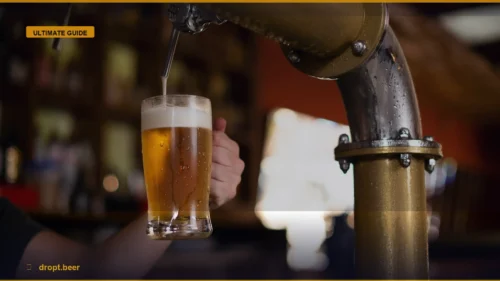
The condensation on the glass is the first thing you notice. It’s a cold, sweating vessel of amber liquid, beads of moisture rolling down to pool on the scarred wooden bar top. You’re in a quiet corner of a dimly lit pub in Bamberg, and the server sets down a Rauchbier. They don’t call it “The Smoky Bandit” or “Fire-Breather’s Delight.” They call it by its style, or perhaps the name of the brewery. It is simple. It is honest. It is everything a modern craft beverage name often fails to be.
Most people searching for “cool drink names” are suffering from a terminal case of trying too hard. You are attempting to force cleverness where a simple, descriptive title would have served you better. The truth is that a name should act as a signpost, not a personality test. If your guest needs to ask three follow-up questions to understand what is in the glass, you have already failed the first rule of hospitality. The best names in the business are either strictly functional or deeply evocative without being desperate. If you want to build a menu that actually sells, you need to stop treating your drink list like a high school talent show.
The Death of the Pun
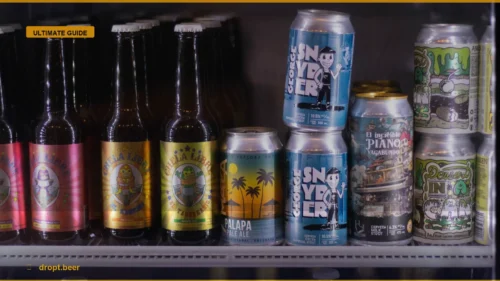
Let’s address the elephant in the room: the pun. We have all seen menus littered with drinks named “Gin and Bear It” or “Tequila Mockingbird.” These names don’t make your bar look witty; they make it look like a tired English teacher just discovered a cocktail shaker. Puns are the lowest form of wit, and they are even worse when they are printed on a menu that you expect people to pay real money to order from. A good name respects the intelligence of your guest, not their ability to groan at a greeting card.
The BJCP (Beer Judge Certification Program) guidelines for naming styles are a masterclass in this restraint. They prioritize clarity and historical accuracy. When a brewer labels a beer as a “Munich Helles,” they aren’t hiding behind an ironic layer of abstraction. They are telling you exactly what to expect: a pale, malty, balanced lager. When you obscure your product with a name that requires a degree in pop culture to decode, you aren’t being creative. You are being exclusionary. You are telling the customer that they aren’t part of the “in” crowd unless they get the joke.
Function Over Ego
Naming a drink is an exercise in managing expectations. Think about the last time you ordered a cocktail. Did you choose the one with the funny name, or the one that sounded like it would actually taste good? According to the Brewers Association’s focus on consumer education, transparency is a massive virtue in the beverage industry. Your naming convention should reflect that. If your drink is a complex, gin-forward concoction with herbaceous notes, naming it “The Secret Garden” is fine—it’s evocative. Naming it “The Gin-gle Bells” is a disaster.
If you find yourself stuck, look to the source of your ingredients. A descriptive name like “Smoked Maple Old Fashioned” is honest, clear, and provides all the necessary information for a customer to make an informed choice. There is no shame in being literal. In a world of confusing, abstract menus, the bartender who provides a clear map of the flavor profile is the one who keeps the tips flowing. You aren’t just selling a liquid; you’re selling the confidence that the guest has made the right choice.
The Power of Evocative Naming
Evocative names build a mood without being literal. They create an emotional tether to the drink, suggesting the feeling the consumer will have while holding it. This is where you can exert some creative control without descending into absurdity. If you have a bright, citrusy summer cooler, a name that evokes a sense of place—like “Coastal Breeze”—works significantly better than something clunky or overly specific. The goal is to paint a picture in the guest’s mind rather than forcing a narrative onto them.
Take the famous example of the “Dark ‘n Stormy.” It’s evocative, it’s short, and it tells you exactly what the drink feels like—heavy, dark, and potentially intense. It doesn’t rely on a pun. It doesn’t reference a meme. It simply sets the stage. When you name your drinks, ask yourself: does this name help the guest understand the mood? If the answer is no, it’s time to head back to the drawing board. At Dropt.beer, we believe that the best drinks speak for themselves; your name should just be the introduction.
Your Next Move
Audit your current menu and replace any name that relies on a pun or an obscure reference with one that describes the flavor profile or the intended mood.
- [Immediate — do today]: Read your entire drink menu aloud; if you have to explain a name to a friend, delete it.
- [This week]: Visit a high-end cocktail bar or a traditional brewery and note how they use simple, descriptive language to command higher price points.
- [Ongoing habit]: Practice writing “functional” names for your home creations, focusing on the primary flavor or the specific provenance of the ingredients.
Frequently Asked Questions
Are puns ever acceptable on a drink menu?
No. While you might think a pun is charming, it almost always signals a lack of professional maturity. Puns prioritize the bartender’s “wit” over the guest’s experience. A menu should be a professional guide to your offerings, not a collection of dad jokes. Keep the humor for the conversation at the bar, and keep the menu clean, descriptive, and inviting.
How do I make a descriptive name sound interesting?
Use evocative adjectives that highlight the sensory experience. Instead of “Vodka and Lemon,” try “Zesty Meyer Lemon Highball.” The key is to focus on the quality of the ingredients and the feeling the drink provides. By pairing a clear, literal name with specific, high-quality descriptors, you create a sense of sophistication that puns simply cannot achieve.