Quick Answer
The only mixer you should ever pair with Baileys is freshly brewed, high-quality coffee. Anything else—especially fruit juices or sodas—creates a cloying, curdled mess that masks the spirit’s whiskey backbone.
- Use hot coffee for a classic, balanced after-dinner warmer.
- Use cold brew to keep the texture silky and the cream stable.
- Avoid all acidic mixers to prevent immediate, unappealing curdling.
Editor’s Note — Marcus Hale, Editor-in-Chief:
I firmly believe that most home bartenders treat Baileys with the same lack of respect they’d show a bottom-shelf schnapps. The prevailing trend of dumping it into neon-colored sodas or sugary milkshake blenders is a culinary crime that ignores the quality of the Irish whiskey base. In my years covering this industry, I’ve found that simplicity is the only way to retain the integrity of a cream liqueur. Charlie Walsh is the right person to guide you here, as he understands the nuance of stout and cream pairings better than any writer I know. Pour yourself a proper drink and read on.
The Myth of the ‘Mixer’
The smell hits you before the glass even touches your lips—that distinct, toasted vanilla sweetness that feels like a heavy wool blanket on a rainy Dublin evening. You’re standing in your kitchen, the house finally quiet, and you’re looking for a way to stretch that bottle of Baileys into something more than just a quick, sticky pour. It’s tempting to grab the tonic, or worse, the orange juice. Don’t. Most of what you’ve been told about mixing cream liqueurs is complete nonsense designed to turn a decent spirit into a glorified milkshake.
If you want to drink Baileys properly, you have to stop thinking of it as a dessert base and start viewing it as a whiskey-forward ingredient. The objective isn’t to mask the cream; it’s to cut through the viscosity. The only path to a sophisticated drink is through the bitterness of coffee. Anything else—soda, fruit juice, or syrupy liqueurs—simply fights the emulsion, and you will lose that battle every single time.
Understanding the Emulsion
To understand why most mixers fail, you have to look at the chemistry. Baileys isn’t just cream; it’s a precisely engineered emulsion of Irish whiskey, dairy, cocoa, and vanilla. According to the Oxford Companion to Beer, the delicate balance of fats and alcohol is what gives the spirit its signature mouthfeel. When you introduce high acidity—like citrus juice—you force that emulsion to break. You aren’t making a cocktail; you’re making a science experiment gone wrong. The result is a chunky, curdled disaster that’s as unpleasant to look at as it is to swallow.
You’ll often see recipes suggesting you blend it with ice cream or sugary syrups. This is a mistake. When you drown the spirit in excessive sugar, you lose the subtle, grainy spice of the Irish whiskey that forms the backbone of the entire product. The goal of any good drink is balance. By adding more sugar to an already viscous, sweet liqueur, you’re hitting a wall of cloying intensity that leaves you wanting a glass of water after three sips. Stop treating your spirits like a sundae topping.
The Coffee Connection
If you must mix it, head straight to your coffee maker. The acidity and bitterness of roasted coffee beans act as a perfect foil to the richness of the cream. Think of it like adding a splash of cream to a morning long black—the coffee provides the structure, and the Baileys provides the body. It’s a classic pairing for a reason, and it’s the only one that truly elevates the base spirit.
When you use hot coffee, the heat helps marry the cocoa notes of the liqueur with the roast profile of the beans. It’s warming, it’s comforting, and it keeps the texture smooth. If you’re opting for cold brew, you’re getting a cleaner, less acidic profile that keeps the cream chilled and stable. Cold brew is particularly effective because it lacks the sharp bite of hot-brewed coffee, allowing the vanilla notes to shine without the heat interfering with the alcohol. It’s the ultimate lazy-Sunday afternoon pour.
The Stout Alternative
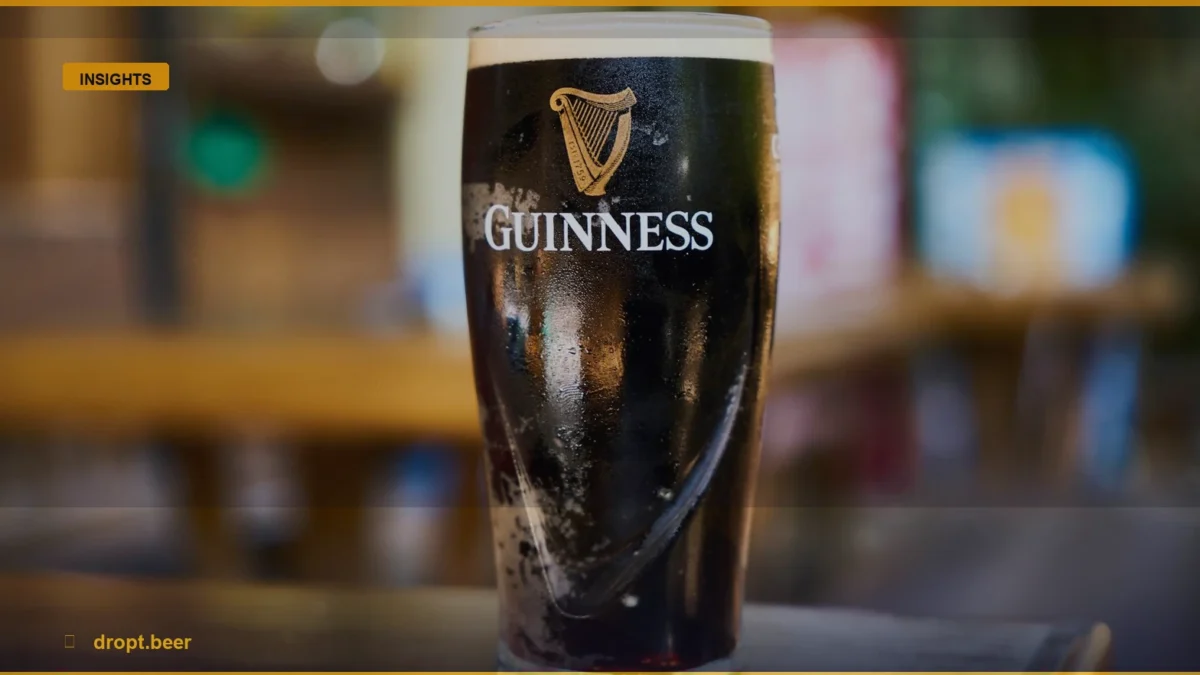
There is, however, one exception to the coffee-only rule. If you’re a fan of the darker side of the bar, a proper stout makes for a brilliant companion. Following the guidelines set by the BJCP, a well-made dry Irish stout provides roasted malt bitterness that mirrors the cocoa in the Baileys. When you drop a small measure into a glass of Guinness, you’re essentially building a more refined version of the classic ‘car bomb.’ The carbonation in the beer cuts right through the fat of the cream, leaving your palate refreshed rather than coated.
It’s a bold move, but it works precisely because it respects the ingredients. You aren’t trying to hide the whiskey; you’re highlighting the roasted, malty characteristics shared by both the beer and the liqueur. Keep it cold, keep it simple, and keep the glass clean. If you’re looking for more ways to navigate your home bar with confidence, keep checking in with us here at dropt.beer. We’re here to make sure you never waste a good bottle again.
Frequently Asked Questions
Can I mix Baileys with orange juice?
Absolutely not. The high acidity in orange juice will cause the dairy in the Baileys to curdle almost instantly. This creates a chunky, unpleasant texture that is impossible to enjoy. Stick to non-acidic mixers like coffee or stouts to keep the emulsion smooth and stable.
Is it okay to drink Baileys on the rocks?
Yes, it is arguably the best way to drink it. Serving Baileys over a single, large crystal-clear ice cube chills the spirit without diluting it too quickly. This keeps the texture velvety and highlights the complex vanilla and whiskey notes that are often buried when mixed with other ingredients.
Why does my Baileys cocktail taste too sugary?
Baileys is inherently a sweet, viscous liqueur. When you add sugary mixers or syrups to it, you create an overwhelming, cloying profile that masks the underlying Irish whiskey. If you want to balance the sweetness, you must use a bitter counterpoint, such as the roasted notes found in black coffee or a dry, malty stout.
Does hot coffee curdle Baileys?
It generally does not, provided the coffee isn’t boiling. Adding a splash of Baileys to a cup of coffee is a classic method. The key is to ensure the coffee is high-quality and not overly acidic. If you find the heat still worries you, simply use cold brew coffee, which provides the same flavor profile without the risk of temperature-related separation.