Quick Answer
A half-pint (284ml) of standard 40% ABV vodka contains approximately 480 to 500 calories. Because ethanol provides seven calories per gram, vodka is energy-dense regardless of its lack of carbohydrates or sugar.
- Check the ABV on the label; higher proof means higher caloric load.
- Avoid flavored vodkas, which often hide liquid sugar and extra calories.
- Account for the metabolic impact of alcohol, which pauses fat burning.
Editor’s Note — Priya Nair, Features Editor:
I firmly believe that the ‘skinny spirit’ marketing narrative is one of the most dishonest trends in modern drinking culture. It treats alcohol like a void, ignoring the very real metabolic energy we’re pouring into our glasses. What most people miss is that ethanol is a macro-nutrient in terms of energy, even if it lacks nutritional value. I avoid flavored spirits entirely because they are essentially liquid candy masking a heavy caloric punch. Ben Torres is the perfect person to break this down because he refuses to let industry marketing overshadow the actual science of what we drink. Pour yourself a glass of water and read this before your next night out.
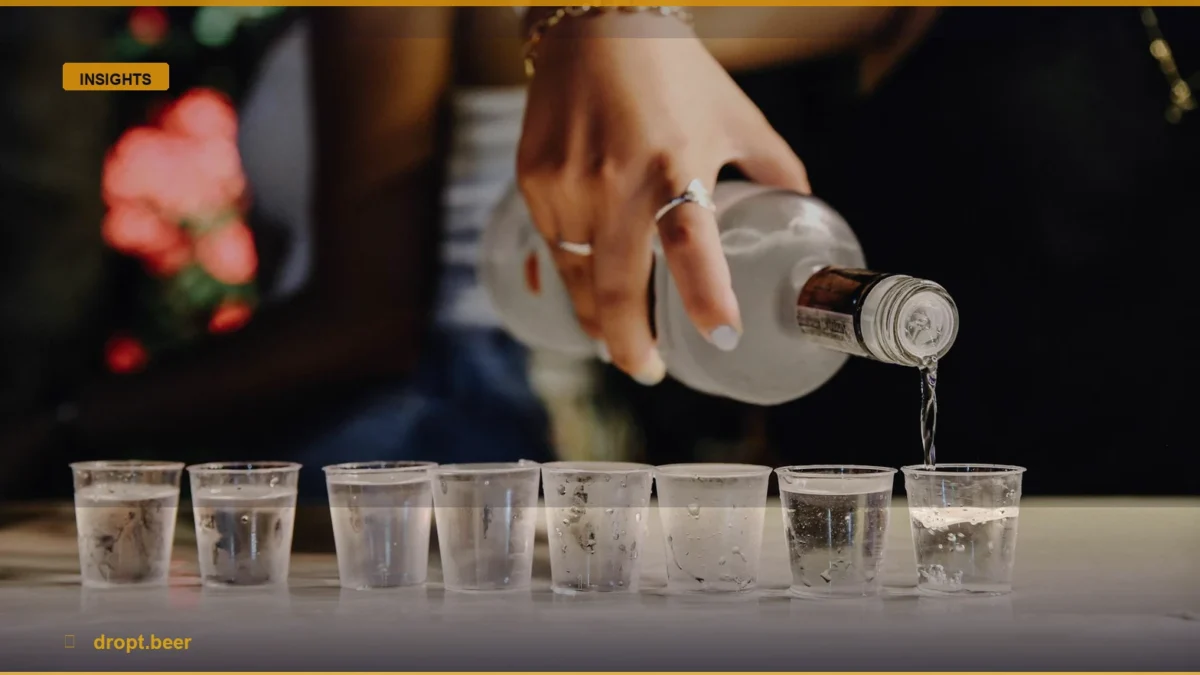
The sharp, medicinal sting of a high-proof spirit hitting your tongue is unmistakable. You’re at a bar, the ice is clinking against the glass, and you’re looking for something that won’t weigh you down. The bartender slides a vodka soda your way. It’s clear, it’s crisp, and according to the marketing campaigns that have dominated our screens for decades, it’s the ‘diet-friendly’ choice. But here is the reality: that drink is packing a much denser punch than your fitness app is likely telling you.
The math is unforgiving. If you’re pouring a half-pint of standard 40% ABV vodka, you’re hitting your body with roughly 500 calories. That isn’t a light snack; it’s a significant portion of your daily energy intake. My position is simple: if you’re drinking, you need to own the numbers. Thinking of vodka as a ‘free’ drink isn’t just a misconception—it’s a failure to understand the basic chemistry of what you’re putting into your system.
The Myth of the ‘Zero-Calorie’ Spirit
The internet is overflowing with misinformation suggesting that because distilled spirits lack carbohydrates, fat, and protein, they are effectively calorie-free. This is a massive distortion. The BJCP guidelines and nutritional science agree on one thing: calories are a measure of energy. Ethanol provides seven calories per gram. That is nearly double the energy density of carbohydrates or protein. When you ignore this, you’re ignoring the primary source of fuel in your glass.
When you consume ethanol, your body prioritizes its metabolism above everything else. It treats the alcohol as a toxic substance that needs immediate processing, which means your body effectively puts the brakes on burning other nutrients. Whether or not you’re drinking a ‘clean’ grain vodka, the caloric load remains. The body stores that excess energy as fat if it can’t be immediately utilized, regardless of the spirit’s ‘purity’ or marketing claims.
How Proof Shifts the Math
Most drinkers assume a ‘standard’ pour is always the same, but the proof is the variable that changes everything. According to the Oxford Companion to Beer—which covers the science of fermentation and distillation extensively—the alcohol content is the sole driver of caloric density in a pure spirit. A 40% ABV vodka is standard, but many premium or ‘cask-strength’ bottles climb toward 50% ABV or higher.
If you’re drinking something stronger, you’re not just drinking more alcohol; you’re drinking more energy. A 50% ABV vodka contains roughly 25% more calories than its 40% counterpart. When you’re tracking your intake, ignoring the proof is a major oversight. Always check the label before you pour. If you’re at a bar and don’t know the proof, assume it’s on the higher side and adjust your expectations accordingly.
The Hidden Trap of Flavored Vodkas
We need to talk about flavor. Brands love to sell ‘citrus,’ ‘vanilla,’ or ‘whipped cream’ vodkas as if they’re just as neutral as the original. They aren’t. These products are often pumped full of syrups, extracts, and added sugars to mask the bite of the alcohol. A flavored vodka can easily add an extra 50 to 100 calories per half-pint compared to a base spirit.
Think about it: you’re drinking a spirit that is already calorie-dense, and then you’re adding liquid sugar on top of it. It’s a double whammy. If you want a flavored drink, do it yourself. Squeeze a fresh lime or add a twist of orange peel to your glass. You’ll get the aromatics and the flavor without the unnecessary sugar load. It’s a simple, actionable change that keeps your drink honest.
Making Informed Decisions
I’m not here to tell you to stop drinking. I’m here to tell you to drink with your eyes open. Whether it’s a potato-based vodka like Chopin, which offers a creamier mouthfeel, or a standard wheat-based grain spirit, the base ingredient doesn’t change the calorie count. The distillation process removes the solids, leaving you with water and ethanol. That simplicity is the core of the problem, not the solution.
When you’re at the store or the bar, look past the branding. Look at the ABV. Look at the ingredients list. If you see added sugars, put it back. If you’re curious about how your favorite spirit stacks up, keep coming back to dropt.beer. We’re here to cut through the marketing fluff and give you the facts you need to enjoy your drink, responsibly and intentionally.
Frequently Asked Questions
Does potato vodka have fewer calories than grain vodka?
No. The calorie count in vodka is determined almost exclusively by the alcohol by volume (ABV). Whether the base is potatoes, wheat, rye, or grapes, if the alcohol content is the same, the caloric density is the same. Do not let marketing claims about ‘purity’ or the base ingredient distract you from the proof on the label.
Why does flavored vodka contain more calories?
Flavored vodkas often include added sugars, syrups, or fruit extracts to improve the taste or mask the harshness of the alcohol. These additives introduce carbohydrates and additional calories that are not present in unflavored, neutral spirits. Always check the label for added sugars if you are concerned about your intake.
Does alcohol count as a carbohydrate?
No, alcohol is not a carbohydrate. However, it is energy-dense, containing seven calories per gram. While it doesn’t spike blood sugar like glucose, it is still metabolized by the body as energy and can lead to fat storage if consumed in excess. Treat it as a concentrated energy source, not a zero-calorie drink.
How can I calculate the calories in my vodka drink?
To calculate the calories, multiply the volume of the alcohol in milliliters by the ABV percentage, then multiply by 5.6 (the approximate calories per milliliter of pure ethanol). For a simpler approach, remember that a standard 40% ABV shot (30ml) contains about 65–70 calories. Multiply that by your total number of shots to get a reliable estimate of your intake.