Quick Answer
No, brandy is not a type of whiskey. Brandy is distilled from fermented fruit—usually grapes—while whiskey is distilled from fermented grain mash.
- Look for “Cognac” or “Armagnac” if you want a fruit-forward, elegant spirit.
- Choose whiskey if you prefer the charred, spicy profile derived from grain and oak.
- Check the label: if it says “Eau-de-vie” or “Pisco,” it’s definitely not whiskey.
Editor’s Note — Sophie Brennan, Senior Editor:
I’ve always held that confusing brandy with whiskey is a bit like confusing a fine Chardonnay with a stout; they share the vessel of a glass, but their souls are lightyears apart. In my years covering fermentation science, I’ve found that the most common mistake is ignoring the source material—the fruit versus the grain. What most people miss is that the chemistry of distillation doesn’t erase the origin; it amplifies it. Grace Thornton is the perfect person to guide you through this because she focuses on the actual sensory reality of the liquid, not just the marketing. Put down the bottle and taste them side-by-side tonight.
The Glass Doesn’t Lie
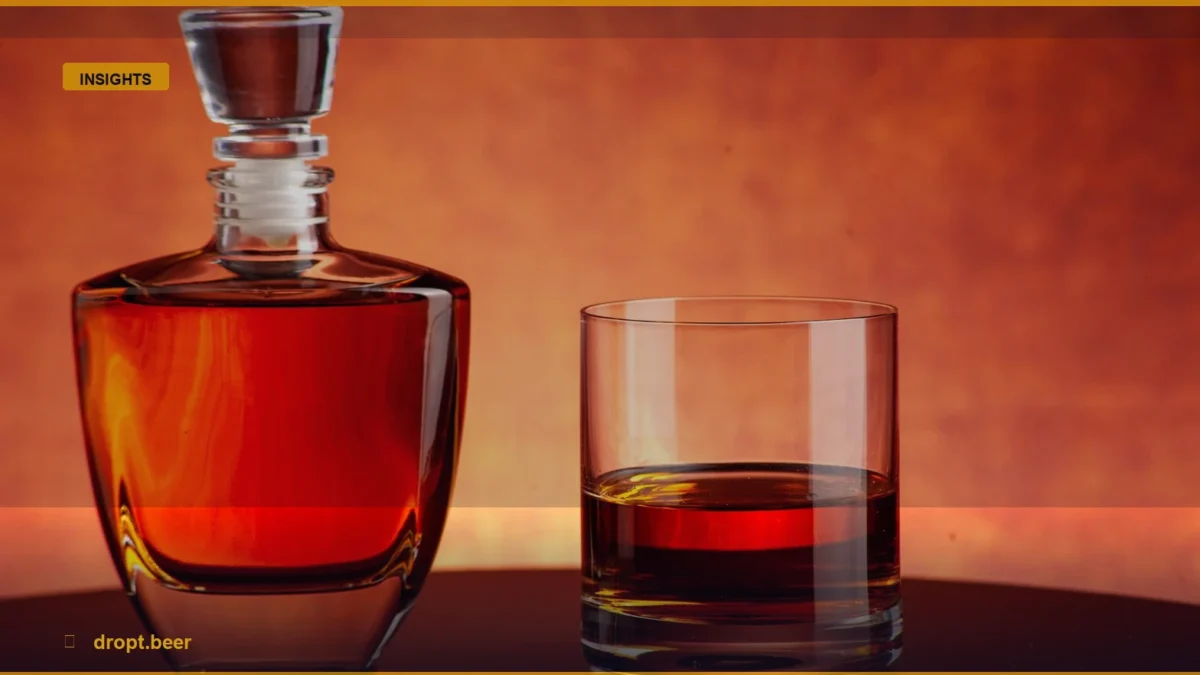
The scent hits you before you even lift the glass to your lips. A pour of bourbon brings a warm, dusty hit of toasted corn and vanilla, a sweet ghost of the grain fields. A pour of Cognac, however, offers something entirely different—a bright, floral lift, perhaps a hint of dried apricot or honeysuckle, whispering of sun-drenched vineyards. They sit together on the bar back, often in similar bottles, yet they are as distinct as bread and wine.
Let’s be clear: brandy is not, and has never been, a type of whiskey. While both categories are spirits that have been distilled and aged in wooden barrels, their foundational chemistry is worlds apart. If you want to drink with intention, you need to understand that the divide between these two isn’t just about regional tradition or marketing jargon—it’s about the fundamental raw material. If you think they’re the same, you’re missing out on half the pleasure of the back bar.
Grain vs. Fruit: The Defining Split
To understand the difference, you must look at what the liquid was before it touched a still. Whiskey is, at its core, distilled beer. Whether it’s a high-rye bourbon or a single malt Scotch, the process starts by mashing grains—barley, corn, rye, or wheat—to convert their starches into fermentable sugars. According to the Oxford Companion to Beer, this enzymatic breakdown of starches into sugar is what sets the stage for the fermentation that eventually becomes the “wash” destined for the still.
Brandy follows a completely different path. It is distilled wine. The term itself roots back to the Dutch brandewijn, or “burnt wine.” Because grapes (or other fruits like apples or pears) contain naturally occurring sugars, there is no need for that complex starch-to-starch conversion required in whiskey production. You are essentially taking the vibrant, acidic profile of a wine and concentrating its essence through fire. The result is a spirit that carries the DNA of the fruit, not the earthy, savory depth of the field.
The Trap of the “Brown Spirit” Label
It’s easy to see why the confusion persists. We lump them into the “brown spirits” category because they both spend time in oak, picking up those familiar notes of vanilla, caramel, and baking spice. But don’t be fooled by the color. A spirit’s color is often a result of time and wood, not its origin. A whiskey matured in a used cask won’t magically gain the delicate, fruity esters of a fine Armagnac, no matter how long it sits.
Many writers suggest that brandy is just “sweet whiskey” or that whiskey is simply “grain brandy.” They aren’t just wrong; they’re doing you a disservice. This kind of reductionist talk ignores the actual craftsmanship. The BJCP (Beer Judge Certification Program) and various spirits authorities emphasize the importance of the base ingredient in defining the final flavor profile. When you treat them as interchangeable, you lose the ability to appreciate the specific nuances of the process. If you want to know what you’re drinking, you have to respect the source.
Exploring the Brandy Spectrum
If you’re ready to move past the confusion, start by exploring the diversity of brandy. Cognac is the gold standard for many, requiring production in the Cognac region of France. It’s double-distilled in copper pot stills, creating a spirit that is remarkably rich and floral. If you find Cognac too refined, look for Armagnac. It’s the rustic cousin—often earthier, bolder, and more aggressive on the palate. It’s proof that brandy can be just as intense as the most muscular cask-strength whiskey.
Then there is the world of clear brandy. Pisco, from Peru or Chile, is a revelation. It’s typically unaged, fruit-forward, and packs a bright, punchy acidity that makes it the star of a Pisco Sour. Or consider Eau-de-vie, a clear fruit brandy that acts like a concentrated shot of the orchard. These spirits aren’t meant to be hidden in a cocktail; they are meant to be understood for their intensity. When you drink them, you are tasting the fruit in its most potent form.
Making Your Choice at the Bar
When you stand in front of that shelf, your preference for whiskey shouldn’t dictate a dismissal of brandy. If you love the spice and bite of a high-rye bourbon, you might find a home in a V.S.O.P. (Very Superior Old Pale) brandy that has seen significant time in French oak. The tannins from the wood provide that familiar structure you’re used to, while the spirit beneath offers a more complex, fruity finish.
Stop asking whether brandy is a type of whiskey. Start asking what kind of experience you want. Do you want the savory, cereal-driven comfort of a grain spirit, or the bright, complex, and sometimes aggressive elegance of distilled fruit? The next time you find yourself at a bar, ask the bartender for a side-by-side pour of a quality bourbon and a V.S.O.P. Cognac. Pay attention to the finish. One will linger with the sweetness of the field; the other will fade with the memory of the orchard. For more guidance on refining your palate, keep checking in with us at dropt.beer.
Frequently Asked Questions
Is brandy just sweet whiskey?
No, that is a common misconception. Brandy is not “sweet whiskey” because the two spirits are made from entirely different ingredients. Whiskey is distilled from fermented grains like corn, rye, or barley, while brandy is distilled from fermented fruit, most commonly grapes. These different base materials create fundamentally different flavor profiles that aging in wood cannot bridge.
Why do brandy and whiskey taste similar?
They often share notes of vanilla, caramel, and oak simply because both are frequently aged in wooden barrels. The wood imparts these flavors to both spirits, masking some of the base character. However, if you taste them side-by-side without ice, the underlying difference—the earthy, grainy notes of whiskey versus the bright, fruit-forward esters of brandy—becomes much easier to distinguish.
Is Cognac a type of whiskey?
No, Cognac is a specific type of brandy produced in the Cognac region of France. It must be made from specific grapes and adhere to strict distillation and aging regulations. It shares absolutely no ingredients or production methods with whiskey. Comparing Cognac to whiskey is like comparing wine to beer; they are both fermented and distilled, but they belong to different families entirely.
Can I substitute brandy for whiskey in cocktails?
You can, but the character of your drink will change significantly. Brandy will make a cocktail lighter, fruitier, and often more acidic, whereas whiskey will provide a heavier, grain-forward, and more savory base. If a recipe calls for rye whiskey, a high-proof brandy will change the balance of the drink. Experiment, but expect the result to be a different experience than the original.