What’s the Real Deal with Trance Party Oslo?
Trance Party Oslo isn’t just another night out – it’s the single biggest organized gathering of trance lovers in Norway, regularly pulling in 2,500+ fans into a single warehouse or club space where the music never stops for more than three hours.
In other words, if you’re looking for the definitive, high‑energy trance experience in the capital, this is the event you need to be at. Below we break down exactly what makes a trance party in Oslo tick, what most guides get wrong, and how you can make the most of the night – from the beats to the bar.
What Is a Trance Party in Oslo?
In Oslo’s nightlife ecosystem, a trance party is a curated event focused on the melodic, uplifting sub‑genre of electronic dance music that originated in the early 1990s. Unlike the city’s broader EDM festivals, which blend house, techno and bass, a trance party sticks to a tight BPM range (typically 132‑138) and emphasizes long, evolving builds that create a euphoric, almost spiritual atmosphere.
Organisers such as Trance Nation Norway and Oslo Rave Society partner with venues like the historic Klubb Undergrunn or the industrial loft space Vulkanhallen. They book line‑ups that feature both local talent (e.g., DJ Øystein, Maya Beats) and international headliners (e.g., Armin van Buuren, Above & Beyond). The result is a night that feels both globally connected and uniquely Norwegian.
How These Parties Are Put Together
Organising a trance party in Oslo starts months in advance. First, promoters secure a venue that can accommodate a high‑capacity sound system and a bar capable of serving both craft beer and high‑proof spirits. Next, they book artists, often negotiating a mix of headliners and up‑and‑coming DJs to keep ticket prices reasonable.
The sound design is another crucial piece. Oslo clubs favour a JBL VTX A12 line array, paired with a Martin Audio sub‑woofer system, delivering the deep, punchy lows that trance basslines demand. Lighting rigs are synchronized to the music, using laser shows and LED walls to amplify the visual journey.
Styles and Variations of Oslo Trance Parties
While the core definition stays the same, there are several sub‑categories you’ll encounter:
- Uplifting Trance Nights – Focus on melodic hooks and vocal anthems. Ideal for newcomers who want that “hands‑in‑the‑air” feeling.
- Progressive Trance Sessions – Slower BPM, deeper grooves, and longer mixes. Favoured by seasoned ravers who enjoy a journey that builds over an hour or more.
- Tech Trance After‑Hours – Combines the drive of techno with trance synth lines, usually starting after midnight and lasting into the early morning.
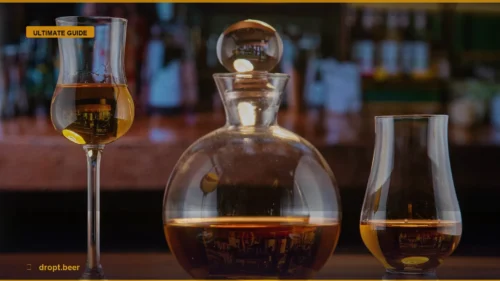
Each style influences the bar menu too. Uplifting events often feature bright, citrus‑forward cocktails, while progressive nights lean toward smoother, amber‑colored drinks.
What to Look for When Buying a Ticket
Not all trance parties are created equal. Here are three concrete criteria you should check before clicking ‘Buy’:
- Venue Acoustics – Look for venues that advertise a “state‑of‑the‑art sound system” and have a reputation for low echo. A poor acoustic space will flatten the intricate layering that defines trance.
- Line‑up Transparency – Reputable promoters publish full DJ bios and set times. If the schedule is vague or only lists a single headliner, you may be dealing with a low‑budget event.
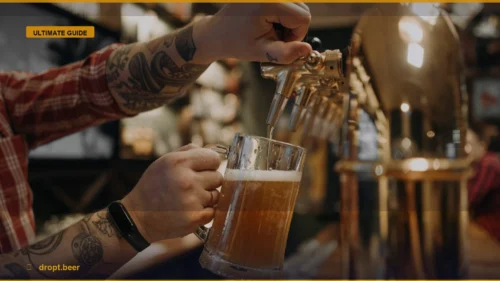
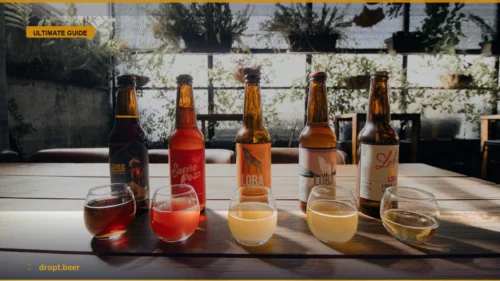
- Bar Selection – Oslo’s craft beer scene is thriving. Parties that partner with local breweries (e.g., Nøgne Ø or Ægir) often serve higher‑quality brews alongside classic club drinks.
When you’ve found a party that meets these standards, you can expect a night where the music, crowd, and drinks all vibe together.
Common Mistakes Readers Make About Oslo Trance Parties
Most articles on this subject fall into three traps:
- Assuming “trance” = “hard” EDM – Many writers lump all high‑energy electronic events together, ignoring the melodic focus that separates trance from hardstyle or dubstep.
- Overlooking the drink culture – Guides often skip the bar aspect, yet Oslo’s parties are as much about the craft beer and cocktail pairings as they are about the beats.
- Forgetting the seasonal venue shift – Oslo’s weather forces many parties outdoors in summer and indoors in winter, which dramatically changes the vibe, sound, and even the drink menu.
By understanding these errors, you can avoid the hype and pick a party that truly delivers the trance experience you’re after.
Making the Most of Your Night
Arrive early to claim a spot near the sound system – the bass hits you harder the closer you are. Dress in layers; Oslo clubs can swing from chilly air‑conditioning to a warm, sweaty crowd. Hydrate, and consider swapping a standard beer for a local brew like Haandbryggeriet IPA, which pairs well with the citrus notes in many trance tracks.
If you enjoy crafting your own drinks, try a trance‑themed punch. Our guide to punch drinks shows you how to create a bright, citrus‑forward mix that mirrors the genre’s uplifting vibe.
Verdict: Which Trance Party Oslo Should You Attend?
If you value a massive, high‑energy crowd and world‑class headliners, aim for the Oslo Trance Festival in March – it’s the city’s flagship event and consistently delivers flawless sound, lighting, and a curated bar menu featuring local craft brews.
If you prefer a more intimate, progressive feel with a focus on emerging Norwegian DJs, the monthly Progressive Pulse night at Vulkanhallen is the clear winner.
Bottom line: pick the event that matches your style – uplifting for first‑timers, progressive for deep listeners – and you’ll walk away with a night that lives up to the hype of a true trance party Oslo fans swear by.