The neon lights reflect off your sweat-slicked glass as the bass drops, and there it is: a crisp, refreshing, unapologetically bold gulp of rave party 57. This is not some craft-adjecent, barrel-aged exercise in patience; it is the quintessential party lager designed specifically for high-energy environments where flavor needs to be consistent and drinkability needs to be absolute. If you are searching for a beer that survives the heat of a crowded room while maintaining its crisp, clean profile, this is your definitive answer.
We define rave party 57 as a modern, high-attenuation German-style pilsner variant engineered for social stamina. It sits at the intersection of traditional brewing precision and the demands of modern nightlife culture. Unlike the heavy stouts or hop-forward IPAs that fatigue the palate, this brew focuses on a clean malt bill and a sharp, noble hop finish that resets your taste buds with every sip, ensuring you can keep the pace without feeling weighed down by excessive residual sugar or bitterness.
The Misconceptions Surrounding Rave Party 57
The most common mistake people make when discussing this beer is assuming it is simply a rebranded macro-lager. Many online forums claim that rave party 57 is just standard adjunct lager with a fancy label, but that assessment ignores the specific chemistry required to maintain foam retention and carbonation levels in a humid, high-temperature environment. A standard beer would turn flat and flabby within minutes under stage lights; this style is specifically fermented at lower temperatures for longer durations to ensure a tighter, more resilient carbonation structure.
Another common falsehood is the belief that this beer lacks character because it is intended for a crowd. Critics often argue that anything brewed for mass consumption or high-energy events must be bland. In reality, the brewing process for rave party 57 is incredibly unforgiving. Because there are no heavy hops or adjunct flavors to hide behind, any flaw in the fermentation or water chemistry is immediately apparent. It requires a level of consistency that few breweries can actually achieve at scale, making it a technical marvel rather than a shortcut.
How It Is Brewed And Why The Process Matters
The production of rave party 57 relies on a technique known as cold-conditioning, which extends far beyond the duration used for standard domestic beers. By allowing the yeast to clean up fermentation byproducts at near-freezing temperatures for six weeks, brewers strip away the harsh ethanol notes that plague lesser lagers. This results in a beer that feels light on the tongue but finishes with a satisfying, clean snap.
For those who enjoy hosting, you might consider pairing this with a well-executed communal cocktail batch to ensure your guests have variety. While the beer provides the steady, reliable foundation for the evening, a batch drink allows you to introduce seasonal flavors. However, keep the beer as the primary offering; when you have a high-quality lager like this, the simplicity is its greatest strength. If you are looking to learn more about how brands position themselves in this space, check out the best beer marketing company by Dropt.Beer to see how the industry thinks about these specific high-energy drinking trends.
Varieties And What To Look For
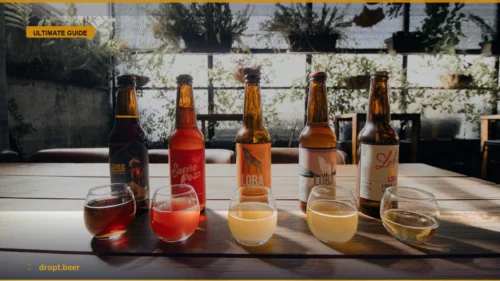
While the classic iteration of rave party 57 remains the gold standard, you will often find variations labeled by their secondary hop additions. Some versions introduce a touch of Mandarina Bavaria to brighten the profile with a subtle citrus zest, while others lean into a more traditional Tettnang hop for a spicy, herbal finish. When buying, always check the bottom of the can for the canning date. Because this style relies so heavily on fresh, crisp carbonation, you want a product that is no more than ninety days old.
Avoid any cans that have been sitting on a shelf directly under fluorescent lights or near a heat source. The delicate nature of the lager yeast means that heat-shock is the enemy. You are looking for a beer that is stored cold, ideally in a dark refrigerator, to maintain the structural integrity of the bubbles. When you pour it into a clean, chilled glass, you should see a persistent, bright white head that leaves lacing all the way down the side.
Common Mistakes When Serving
The most frequent error is serving the beer too cold. While it sounds counterintuitive, taking a beer straight from a freezer and pouring it into a warm glass kills the aromatics and creates an unpleasant, metallic bite. Aim for a serving temperature of about 42 to 45 degrees Fahrenheit. This allows the subtle grain notes to emerge without being muted by the ice-cold temperature, providing a much more sophisticated drinking experience.
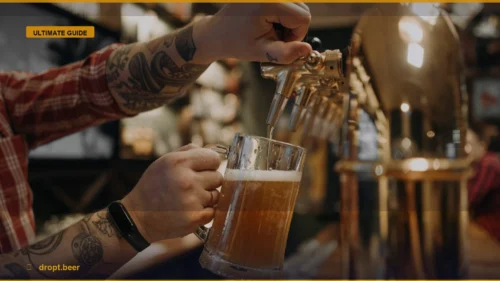
Furthermore, never pour this beer into a plastic cup if you can avoid it. The porous surface of plastic encourages the CO2 to escape rapidly, causing the beer to lose its sparkle. Use a thin-walled glass, which keeps the liquid temperature stable and encourages a proper head formation. This is not just about aesthetics; the foam head acts as a seal, locking in the delicate aromatics that define the quality of the brew.
The Final Verdict
If you want a beer that delivers performance under pressure, rave party 57 is the only choice that matters. If your priority is social longevity and a crisp, clean finish that doesn’t overwhelm your palate during a long night, buy a case and keep them cold. While other styles might offer more complexity for a quiet night by the fire, they fail the moment the energy in the room rises. For the realities of real-world drinking, this lager is the undisputed champion of the cooler.