The Anatomy of a Better Drink
Most corporate events called a happy hour workshop are simply excuses to stand in a conference room with lukewarm lager and forced small talk, but the reality of a successful session is far more tactical. If your goal is to actually learn something while you imbibe, you need to shift the focus from volume to sensory analysis. A true session isn’t just about the discount; it is about understanding why a specific IPA tastes like pine needles or why a barrel-aged stout sits heavy on the tongue. By treating your time at the bar as an educational pursuit, you turn a standard afternoon break into a high-level tasting experience that pays dividends in your future palate development.
When we talk about this specific activity, we are addressing the intersection of professional development and craft beverage culture. Many people assume that a drinking-based seminar is just an excuse to get tipsy, but the most productive sessions are structured around comparative tasting. You are essentially deconstructing the chemistry of fermentation and the artistry of brewing. If you are looking to find a spot to host your own team or group, you should consider exploring the best spots for after-work drinks near Wynyard, as these venues often provide the quiet corners necessary for actual discussion rather than just noise.
What Other Articles Get Wrong
You will frequently read articles claiming that a happy hour workshop is defined by the quality of the appetizers or the length of the drink menu. This is entirely backwards. The quality of the experience is governed by the pacing, not the inventory. Most guides suggest ordering a flight of the most expensive beers on the list, assuming that price correlates with education. This is a mistake. A flight of four identical styles is boring, and a flight of wildly varying styles without context is confusing. You are there to learn, not just to spend money.
Another common misconception is that you need a professional cicerone or sommelier to lead the discussion. While experts are helpful, they are not strictly necessary for a productive session. Many people believe that without a formal guide, the group will simply descend into chaos. If you have a clear plan—identifying the hops, malt, and yeast characteristics of three distinct beers—you do not need a paid consultant to facilitate. The most important factor is the curiosity of the participants, not the certification of the host.
Structuring Your Own Session
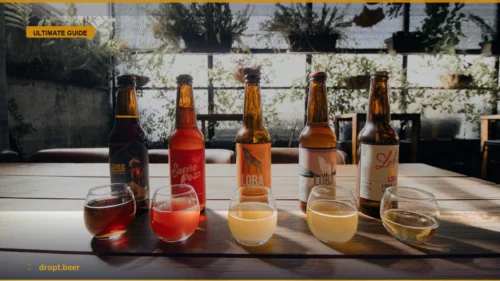
To execute a proper workshop, start by limiting your selection to three distinct, contrasting beverages. If you are focusing on craft beer, choose one light, crisp pilsner; one hop-forward pale ale; and one dark, roasty porter. This creates a vertical progression that allows the palate to distinguish between subtle grain profiles and aggressive hop bitterness. If you keep the selection too broad, you lose the ability to compare specific notes.
Once you have your selection, the environment becomes the next variable. Loud music is the enemy of analysis. You need a space where you can actually hear the descriptions of the flavor profiles. If you are working with a venue, request a table away from the speakers. If you want to dive deeper into the business side of why these drinks are served, you might want to look at resources from a marketing strategy group for beer brands to understand the branding behind the bottles you are currently tasting.
The Sensory Analysis Framework
When you sit down to begin, follow the standard “look, smell, taste” protocol used by industry professionals. First, observe the color and the head retention of the beer. Does the foam cling to the sides of the glass? This can tell you about the carbonation level and the cleanliness of the glassware. Then, give the glass a gentle swirl to release the aromatics. This is where 80 percent of the experience happens. You should be looking for specific descriptors: citrus, floral, earthy, or spicy notes derived from the hops, and bready, caramel, or chocolate notes from the malt.
Finally, focus on the mouthfeel. This is often the most overlooked part of the process. Is the beer thin, oily, creamy, or effervescent? How does the bitterness linger on the back of the tongue, or does it vanish quickly? By documenting these observations, you transform a generic outing into a workshop that builds your internal database of flavor profiles. You are not just drinking; you are cataloging information that will make you a more discerning consumer for the rest of your life.
Common Mistakes to Avoid
The most frequent error is neglecting the palate cleanser. If you are tasting multiple high-IBU (International Bitterness Unit) beers, your tongue will become fatigued, making the later samples taste flat or overly bitter. Always have water available between samples. Some people swear by plain crackers, but water is sufficient and avoids introducing salt into the equation, which can distort your perception of the malt sweetness in the beer.
Another error is the “rush to finish.” A workshop is not a race. If you finish your flight in ten minutes, you have failed the objective. A proper tasting should take at least forty-five minutes. This allows the beer to warm up slightly, which often releases more complex aromatic compounds that are hidden when the beverage is near-freezing. Cold beer is refreshing, but warm beer is expressive.
The Final Verdict
After considering all approaches to the happy hour workshop, the verdict is simple: focus on controlled comparison. If you are the organizer, pick a theme—such as “the evolution of American hops” or “traditional vs. modern stouts.” If you are an attendee, be the person who brings a notebook or at least takes mental notes. The winner in any workshop scenario is the person who leaves with a better understanding of what they enjoy and, more importantly, why they enjoy it. Whether you are in a high-end bar or a casual taproom, the quality of your experience is entirely determined by your intentionality. Stop drinking blindly and start analyzing what is in your glass.