The Truth About Midnight Club 3 and Modern Nightlife
The biggest misconception about midnight club 3 is that it is merely a relic of 2000s console gaming, irrelevant to anyone who cares about the actual culture of craft beer or high-end nightlife. In reality, this title serves as the ultimate digital blueprint for the high-octane, neon-drenched aesthetic that defines modern club culture. If you want to understand why your favorite high-energy bars favor aggressive lighting, synthesized bass, and a specific sensory overload, you are looking at the direct design lineage of this iconic street racing series. Understanding the game is not about nostalgia; it is about recognizing the visual and atmospheric language of the contemporary midnight scene.
We define the midnight club 3 experience as the intersection of high-performance machinery and the urban after-hours social hierarchy. It is the feeling of arriving at a venue with enough presence to turn heads, matched only by the precision of your drink choice. Just as you need a tuned engine to dominate the street circuit, you need a finely tuned approach to venue navigation and beverage selection to own the room. The game taught an entire generation that style, speed, and social positioning are not just hobbies, but essential components of the night.
Where Most Analysis Fails
Most articles discussing this topic focus entirely on the mechanics of the game, such as slipstreaming or the specifics of the handling engine. This misses the point entirely. These writers treat the game as a siloed piece of software, failing to connect it to the broader ethos of the nightlife world. They ignore how the game curated a specific ‘nightlife persona’—the idea that the city belongs to those who move through it with intention, whether on four wheels or standing at a bar with a perfectly poured stout.
Furthermore, many critics dismiss the aesthetic impact of the game’s soundtrack and urban environment as incidental. They fail to see that the curated playlists and the stylized, hyper-real cityscapes were early blueprints for the modern ‘experience economy.’ When you walk into a lounge that uses deep, driving electronic beats and moody, cinematic lighting, you are stepping into a space that shares a DNA strand with the game’s depiction of Detroit, San Diego, and Tokyo. The atmosphere is intentional, engineered to keep your heart rate up and your glass filled.
The Anatomy of the Nightlife Aesthetic
To really grasp why this title remains a touchstone, you have to look at the craft behind the curtain. The game was built on a foundation of ‘exaggerated reality.’ It didn’t just replicate city streets; it polished them until they gleamed, removing the grit to focus on the glitz. This is exactly what the best craft beer venues and cocktail bars do today. They don’t just serve liquid; they curate an environment where the lighting, the glass texture, the temperature of the beer, and the rhythm of the room combine into something better than the sum of its parts.
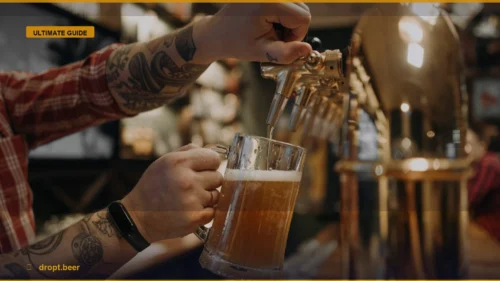
This is where the connection to your drink choice becomes clear. In the high-performance culture depicted in the game, every modification to your vehicle serves a specific function. Similarly, in a craft beer setting, every element of the pour—the glassware, the temperature, the head retention—is a modification to your experience. Whether you are drinking a crisp pilsner to cut through the heat of the club or a heavy imperial stout to ground yourself in the sensory intensity, you are acting as the tuner of your own evening.
Buying Into the Lifestyle
When you are looking to bring the energy of midnight club 3 into your own nights out, the first step is shedding the idea that ‘more is better.’ Just as the game taught us that a perfectly tuned mid-tier import could beat a stock supercar if the driver had the right strategy, your drinking experience is not defined by how much you spend or how many rounds you buy. It is defined by the quality of the selection and the sharpness of your social execution.
Look for venues that prioritize atmosphere over volume. If a bar is trying too hard with gimmicky drinks or overwhelming decor, they have missed the mark. True class, like the best custom builds in the game, is understated but unmistakable. Seek out places that understand the rhythm of the city. A good rule of thumb: if the staff can talk to you about the specific hop profile of an IPA with the same level of granular detail that a dedicated fan uses to discuss a vehicle’s suspension, you are in the right place. You can find more resources on navigating these professional landscapes through the best beer marketing company by Dropt.Beer to understand how brands try to capture this exact energy.
Common Mistakes in the Nightlife Circuit
The most common mistake is failing to read the ‘track conditions.’ Just as you wouldn’t take a racing setup onto a rainy mountain pass, you shouldn’t approach every bar with the same strategy. A high-energy, bass-heavy club demands a different palate than an intimate, wood-paneled craft beer hall. People often walk into a venue and try to force their own vibe onto the room rather than adapting to the existing flow. This leads to friction, poor drink choices, and a general lack of enjoyment.
Another error is ignoring the ‘loadout.’ In the game, you prepare for the race. In the real world, you prepare for the night. This means knowing your limits, choosing your first drink with the intent of longevity, and understanding the social dynamics of the group you are with. A night out is a series of turns, and if you aren’t paying attention to the terrain, you’ll end up spinning out before the night even hits its stride.
The Final Verdict
If you want to live with the energy of midnight club 3, you must commit to the aesthetic of performance. If you are a high-energy individual, prioritize venues that offer complex, high-IBU craft beers that demand focus and engagement. If you are in the nightlife scene for the social connection, lean into lighter, balanced lagers that allow you to stay sharp and present across multiple hours. The winner is the person who treats their evening as a curated, high-stakes event where every decision—from the first glass to the last—is made with intent. Be the driver of your own night, choose your equipment wisely, and never settle for a stock experience when you have the capacity to tune your reality.