Let’s set the record straight: a night club bar is not just a place that serves drinks after dark – it is a curated social engine where music, lighting, and beverage service combine to create a distinct nightlife experience. This definition may clash with the common image of a dimly lit room with a crowded dance floor, but the true meaning lies in the deliberate blend of ambience, service style, and cultural context that sets a night club bar apart from a regular bar or a pure dance venue.
Understanding the Term: Night Club Bar Defined
The phrase “night club bar” refers to an establishment that functions simultaneously as a nightclub and a bar. In practice, this means the venue offers a full bar menu, often with a focus on craft cocktails or specialty drinks, while also providing a DJ‑driven music program, dance floor, and lighting design that encourages movement. The core of the meaning is the integration of two experiences: the social ritual of drinking and the kinetic energy of a club.
Unlike a traditional bar that may prioritize conversation and a relaxed pace, a night club bar structures its space to transition from a lounge area to a high‑energy dance zone as the night progresses. The bar itself becomes a stage for the night’s narrative, with bartenders acting as performers who craft drinks that match the vibe of the music and lighting.
How Night Club Bars Differ From Other Venues
Many articles conflate night clubs, bars, and lounges, but they miss the nuance that defines a night club bar. A pure night club may have a minimal drink offering – often just a few standard cocktails – because the focus is on the music. A classic bar, on the other hand, may lack a dedicated dance floor or sophisticated lighting system. The night club bar sits squarely between these two, delivering a robust drink menu alongside a curated auditory and visual experience.
Key differentiators include:
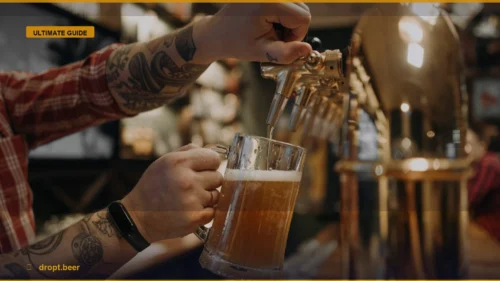
- Drink variety: Expect a broader selection than a typical club, with craft beers, seasonal cocktails, and sometimes small‑batch spirits.
- Music programming: DJs often adapt their sets to the crowd’s energy, moving from lounge‑style beats early in the evening to high‑tempo tracks later.
- Space design: Separate zones for seating, bar service, and dancing allow patrons to choose their level of engagement.
Common Misconceptions About Night Club Bars
Most articles on the subject get two things wrong. First, they assume “night club bar” is just a marketing buzzword with no real substance. In reality, the term signals a specific business model that balances revenue streams from both drink sales and cover charges. Second, many pieces claim that night club bars are only for young, party‑centric crowds. While the energy is certainly high, these venues often host themed nights, live performances, and even craft‑beer tastings that attract a broader demographic.
Another frequent error is the belief that the drink quality suffers because the focus is on the music. On the contrary, many night club bars employ mixologists who design drinks that complement the sonic atmosphere, turning the bar into an extension of the club’s artistic expression.
What to Look for When Choosing a Night Club Bar
If you’re scouting a venue, consider these factors:
- Drink menu depth: Look for a list that includes both classic cocktails and innovative creations, as well as a selection of craft beers.
- Music style and schedule: Check the venue’s calendar to see if the musical programming aligns with your taste. Many clubs rotate genres throughout the week.
- Ambience transitions: A good night club bar will have a clear shift from lounge to dance floor, often signaled by lighting changes.
- Service speed: Because the crowd moves, efficient bar service is essential. Observe how quickly drinks are delivered during peak hours.
For a deeper dive into selecting the perfect spot, see how to pick the ideal nightlife venue.
Styles and Variants of Night Club Bars
Not all night club bars look the same. Here are three common styles you’ll encounter:
1. The Craft‑Focused Club
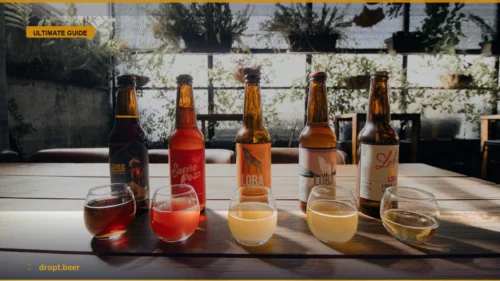
These venues prioritize a rotating tap list of local brews alongside a cocktail program that emphasizes seasonal ingredients. The music tends toward indie, funk, or deep house, creating a relaxed yet energetic vibe.
2. The High‑Energy Dance Club
Here the emphasis shifts to a larger dance floor, powerful sound systems, and lighting rigs. The bar serves quick‑pour drinks and premium spirits, often with a focus on high‑proof cocktails that keep the energy up.
3. The Hybrid Lounge‑Club
These spaces start the evening as a sophisticated lounge with plush seating and low‑key lighting, then gradually open up the dance floor as the night deepens. The drink menu mirrors this transition, offering elegant aperitifs early and bold, fruity cocktails later.
Common Mistakes When Visiting a Night Club Bar
Even seasoned nightlife enthusiasts can trip up. The most frequent errors include:
- Arriving too early: Many night club bars have a “soft opening” period where the music is subdued and the bar may be understaffed. If you’re looking for the full experience, aim for the peak hours.
- Ignoring the dress code: Unlike a casual bar, night club bars often enforce a dress policy that aligns with the venue’s brand. Check the website beforehand.
- Ordering the wrong type of drink: Some venues have signature cocktails that are crafted to pair with the music’s tempo. Asking the bartender for a recommendation can enhance the overall experience.
Verdict: Which Night Club Bar Model Wins?
If your priority is a balanced night of great drinks and dance‑floor energy, the hybrid lounge‑club model is the clear winner. It offers the best of both worlds: a refined bar service for early‑night sipping and a seamless transition to a high‑energy dance environment. For craft‑beer lovers who still want a beat, the craft‑focused club is the top pick, while pure party animals will gravitate toward the high‑energy dance club.
In short, the night club bar meaning is anchored in its dual identity – a place where beverage craftsmanship meets curated nightlife. Choose the style that matches your mood, respect the venue’s vibe, and you’ll walk away with a night that feels both intentional and unforgettable.