What is Night Club Bar Work?
You are standing behind a sticky, vibrating bar top at 1:30 AM while a strobe light slices through the thick, humid air of the room. A customer is screaming a gin and tonic order over a deafening bassline, someone just spilled a full tray of tequila shots, and your ticket printer is jammed. Night club bar work is not about mixing craft cocktails with a jigger and a smile; it is about high-volume speed, physical endurance, and managing the chaos of a thousand intoxicated people simultaneously. It is the tactical, high-pressure extreme of the hospitality industry where the ability to remain calm while the world around you descends into a frenzy is the only currency that matters.
Essentially, this role is a test of your personal processing speed. In a standard craft beer bar or a quiet lounge, you are judged on your knowledge of hops and the precision of your pour. In a nightclub, you are judged by how quickly you can move from the tap handle to the customer’s hand without sacrificing service safety. You are part machine, part diplomat, and part security guard. If you are trying to find a venue that fits your specific pace, you have to understand that the “nightclub” environment demands a level of intensity that is fundamentally different from a local pub.
What Other Articles Get Wrong About This Job
The internet is littered with romanticized nonsense about the glamour of working in nightlife. Blogs often paint a picture of charismatic bartenders effortlessly slinging drinks while looking cool in designer aprons. They talk about the “social scene” and the “energy” as if you are a guest at the party rather than the person who has to clean up the mess afterward. Most of these articles fail to mention the repetitive strain injuries, the hearing damage from constant decibel exposure, and the sheer mental toll of being on your feet for eight hours in a crowd that views you as an inanimate drink-dispensing object.
Furthermore, many guides suggest that being a “mixologist” is the ultimate goal. In reality, night club bar work values consistency and efficiency over complex recipes. Nobody wants a hand-pressed lime juice cocktail with a smoked rosemary sprig when there are fifty people waiting in line behind them. If you try to bring craft-cocktail sensibilities to a high-volume club setting, you will be fired by the end of your first shift for slowing down the money flow. The true skill in this environment is knowing which two-ingredient drinks you can make in seconds while maintaining a mental tally of everyone’s tab.
The Reality of High-Volume Service
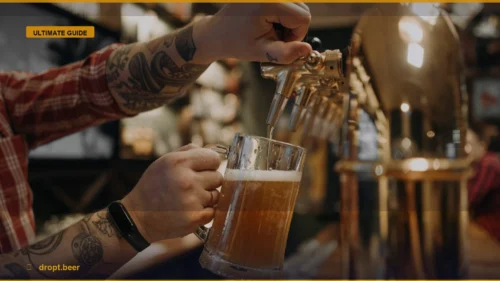
Working the well at a nightclub requires a complete disregard for your own comfort. You are dealing with “speed rails” that are stocked with high-turnover spirits, and your movements must be economical. You don’t walk across the bar to grab a bottle; you develop a reach. You don’t stop to chat with customers about their weekend plans; you offer a quick nod and a “next.” You learn to read the room for aggression before it boils over, keeping an eye on the door and the floor while your hands are busy pouring beers and mixing basic highballs.
Physical preparation is the most overlooked aspect of this job. You need footwear that looks professional but provides the structural support of a construction boot. You must hydrate constantly, even though you have no time to drink, and you need to build up a resistance to the repetitive motion of pulling tap handles and opening bottles. If you don’t treat this like an athletic endeavor, your back, knees, and wrists will fail you within six months. The best beer marketing experts will tell you that the beer sells itself in a club, but the bartender is the one who ensures the volume of those sales is maximized.
Common Mistakes and How to Avoid Them
The biggest mistake newcomers make is trying to provide “perfect” service to every single person. In a club environment, perfect service is fast service. If you spend three minutes explaining the nuances of an IPA to one customer, you have lost the revenue from ten other customers who walked away because the wait was too long. You have to learn to prioritize. Always serve the person with the cash in their hand first, and always keep your bar top clean. A wet, sticky bar is a magnet for spills; a dry bar is an invitation for people to order more.
Another common failure is failing to communicate with security. Your bouncers are your best friends. If you spot a customer who is getting too aggressive or showing signs of being over-served, you must flag them immediately. Do not try to handle it yourself, and do not be the “nice” bartender who cuts someone a break. If you bend the rules to be cool, you are the one who deals with the fallout when a fight breaks out or the police show up. Being professional in a nightclub means being firm, quick, and observant.
The Final Verdict
If you are looking for a career that prioritizes creative expression, deep customer connections, and refined craft, do not pursue night club bar work. You will be miserable, and you will eventually burn out because the environment is designed to strip away nuance in favor of profit. However, if you are a high-energy person who loves the adrenaline of a rush, takes pride in extreme operational efficiency, and wants to maximize your earning potential through sheer volume, this is the best job in the world.
My verdict is clear: only choose this path if you prioritize money and pace over hospitality. If you want to make the most of your time behind the stick, find a high-traffic venue that respects speed and keeps its equipment in working order. Night club bar work is a demanding, exhausting, and often brutal trade, but for those who thrive on the edge of a busy Saturday night, there is no substitute for the rush of running a tight ship when the music is loudest.