What Defines The Best Happy Hour Drinks by Spirit Type (Beer, Wine, Cocktail)
The best happy hour drinks by spirit type (beer, wine, cocktail) are a crisp, dry pilsner for beer, a chilled dry rosé for wine, and a classic Daiquiri for cocktails. These selections offer the optimal balance of refreshment, cost-efficiency, and drinkability to start your evening without breaking the bank or overwhelming your palate.
When you walk into a bar during those golden hours of the late afternoon, you are looking for specific characteristics. You want something that quenches thirst, prepares your appetite for dinner, and provides a pleasant buzz without turning you into a liability before the sun goes down. Most people miscalculate happy hour by ordering high-octane drinks or overly sweet concoctions that burn out their taste buds. Instead, you need to think about the physics of the drink—how it sits on the palate and how it handles the inevitable dilution that happens while you chat with friends.
Understanding what makes a drink appropriate for this time slot requires looking at the chemistry of the ingredients. Whether it is the hop oils in a beer, the acidity in a glass of wine, or the sugar-acid ratio in a cocktail, the goal is always balance. If you are drinking something too heavy, you will feel sluggish. If you are drinking something too complex, you are wasting the nuances of a premium spirit on a discount price point. Stick to these archetypes, and you will never regret your happy hour order.
The Misconceptions About Discount Drinking
Most articles on this subject will tell you to simply order the most expensive item on the menu to get your money’s worth. This is a trap. Just because a spirit is premium does not mean it is being showcased correctly in a discounted cocktail. Many bars use happy hour as a dumping ground for spirits that need to be cleared out or syrups that are nearing their expiration date. When you see an overly complicated cocktail list during happy hour, run the other way. You are essentially paying for a sugar bomb made with bottom-shelf ingredients.
Another common mistake is the belief that higher alcohol content equals a better deal. People often gravitate toward long-island style drinks or heavy stouts during happy hour because they perceive them as having more value. In reality, these drinks are designed to be consumed quickly, often leading to a spike in blood alcohol levels that leaves you feeling exhausted rather than energized. You are paying for the alcohol, yes, but you are sacrificing the sensory enjoyment that makes a happy hour actually happy.
Finally, there is the myth that you should avoid wine during happy hour because it is ‘just the house pour.’ While house wines vary, a crisp, dry white or a light, acidic rosé is often the most stable product in the bar. Wine does not require the same level of preparation as a cocktail, meaning there is less room for human error. If you stick to simple, high-turnover categories like beer or dry wine, you are far more likely to get a fresh product that tastes exactly as the winemaker or brewer intended.
Selecting Your Beer
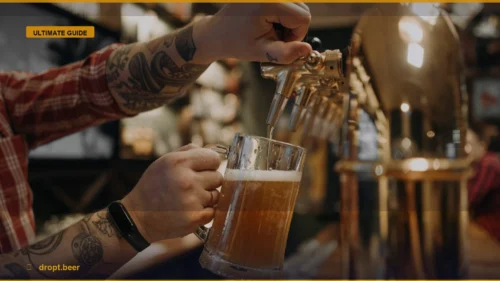
For beer, the gold standard is the pilsner. It is the hardest style for a bar to hide flaws in, which means if a bar is serving a good pilsner, you can trust their draft lines. Pilsners are clean, crisp, and contain a subtle bitterness from noble hops that encourages you to take another sip. When buying, look for a pale, straw-colored liquid with a tight, frothy head. If the beer looks murky or has a weird, metallic sheen, send it back.
If you prefer something with a bit more flavor, look for a session IPA. These are designed specifically for the happy hour experience. They provide the aromatic hop profile of a craft beer without the heavy alcohol content that keeps you from enjoying a second round. If you find yourself wanting to experiment with mixing, explore how to blend beer and wine for unique shandies that bridge the gap between categories. Always check the tap list for date markings if possible, or simply ask the bartender what has been tapped most recently.
Navigating the Wine List
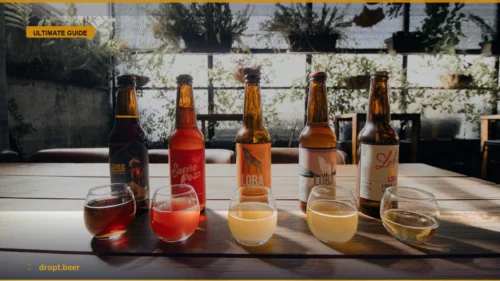
Wine during happy hour should be about acidity and freshness. You want a drink that cleanses the palate. A dry rosé is the ultimate choice here because it possesses the brightness of a white wine but with a hint of tannin and red fruit character that adds complexity. It is universally food-friendly, meaning if you order happy hour snacks like salty fries or nuts, the rosé will stand up to them perfectly.
Avoid the ‘house red’ if it is served at room temperature in a warm bar. Red wines, especially big, tannic ones, suffer significantly when stored in improperly cooled rooms. If you must have red, stick to something lighter like a Beaujolais or a chilled Valpolicella. These wines have lower tannins and higher acidity, making them much more forgiving and easier to drink in a social setting. If you need help identifying the best local producers, consult with a professional beer and beverage consultant who understands the local supply chain and what is likely fresh at your neighborhood haunt.
The Cocktail Verdict
When it comes to cocktails, simplicity is your best friend. A Daiquiri—not the frozen, slushy version, but the classic rum, lime, and simple syrup cocktail—is the litmus test for any bartender. It requires precision and balance. If a bar can execute a proper Daiquiri, they can make anything. It is light, refreshing, and the acidity of the lime cuts through the sugar, ensuring you aren’t left with a sticky aftertaste.
If rum isn’t your speed, go for a Gin Gimlet or a high-quality Gin and Tonic. The botanicals in gin are excellent for waking up the senses, and the quinine in tonic provides a pleasant bitterness that makes the drink feel sophisticated. Avoid ‘signature’ happy hour cocktails that rely on fruit purees or heavy cream bases; these are usually hiding low-quality spirits and will leave you feeling heavy and lethargic.
Final Verdict: The Best Choice
If you want the absolute best value and flavor experience, choose the Daiquiri. It is a timeless classic that showcases the skill of the staff while remaining light enough to enjoy two or three during a long conversation. If you are strictly a beer drinker, stick to the pilsner; it is the most reliable, crisp, and satisfying option in any taproom. If wine is your preference, the dry rosé is the winner for its versatility and inherent freshness. By sticking to these three categories, you guarantee yourself a quality experience every time you engage in the best happy hour drinks by spirit type (beer, wine, cocktail).