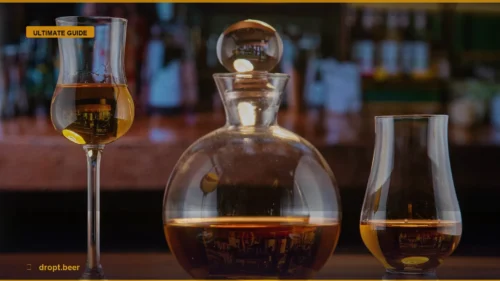
Let’s clear the fog right away: triple sec is not vodka, it’s an orange‑flavored liqueur that sits on the opposite side of the spirit spectrum from a neutral grain spirit. If you were hoping for a citrus‑infused vodka, you’ll need to look elsewhere – triple sec brings sugar, zest, and a whole different legal definition to the bar.
Defining the Question: What Do People Mean When They Ask “Is Triple Sec Vodka?”
The confusion usually starts with two scenarios. First, a novice sees triple sec listed alongside vodka in a cocktail recipe and assumes they’re interchangeable. Second, a home‑mixologist hears the term “triple‑sec vodka” on a menu and wonders if it’s a special hybrid product. Both cases stem from a lack of clarity about what each spirit actually is, how they’re made, and how they behave in a drink.
In short, the question is less about taxonomy and more about practicality: can you treat triple sec like vodka in a mixed drink, or do you need to respect its distinct character? Answering that means looking at the production methods, the flavor profile, and the legal definitions that separate an orange liqueur from a neutral spirit.
How Triple Sec Is Made – The Orange‑Liqueur Process
Triple sec originates from France, where it was first crafted in the 19th century. The base spirit is a neutral grain alcohol, but the magic happens during the maceration and distillation phases. Dried orange peels (often from bitter oranges like Seville) are steeped in the neutral spirit, extracting essential oils. The mixture is then redistilled, sometimes multiple times, to capture the aromatic compounds while leaving most of the raw alcohol behind.
After distillation, a sweetener—usually sugar syrup—is added to achieve the liqueur’s characteristic 20‑40 % ABV and its smooth, syrupy mouthfeel. The result is a bright, citrus‑forward product that can range from dry (like Cointreau) to noticeably sweet (like many budget triple secs).
Vodka 101 – Neutral Grain Spirit Basics
Vodka, by contrast, is defined by its neutrality. It can be made from potatoes, wheat, rye, or corn, but the goal is to strip away flavor and aroma through repeated distillation and filtration (often through charcoal). The legal definition in many countries mandates a minimum of 40 % ABV and a near‑odorless profile, making vodka the ultimate blank canvas for mixers.
Because vodka lacks the built‑in sweetness and citrus, it can’t replicate the role of triple sec without additional ingredients. Adding orange zest or a splash of simple syrup to vodka gets you close, but you’ll still miss the depth that comes from the essential oils captured during triple sec’s distillation.
What Most Articles Get Wrong
Many online pieces conflate “orange vodka” with triple sec, suggesting you can simply swap one for the other. This mistake leads to two common errors:
- Flavor misbalance. Replacing triple sec with vodka in a classic Sidecar or Margarita results in a drink that’s flat, overly sharp, and missing the sweet‑citrus lift that defines those cocktails.
- Alcohol content confusion. Triple sec typically sits around 30‑40 % ABV, but its sugar content means the perceived strength is lower. Swapping it for vodka can inadvertently raise the drink’s potency, catching the unsuspecting drinker off‑guard.
Another frequent slip is the assumption that “triple‑sec vodka” is a marketed product. While some brands have introduced flavored vodkas that mimic orange liqueur, they are still vodka first and lack the authentic orange peel distillation that makes true triple sec unique.
Different Styles and Varieties of Triple Sec
Not all triple secs are created equal. The market can be split into three broad categories:
- Premium dry style. Think Cointreau or Combier – high‑quality orange peels, multiple distillations, and a balanced sweetness that lets the citrus shine without cloying the palate.
- Mid‑range semi‑dry. Brands like Grand Marnier’s “Cordon Rouge” (although technically a curaçao) fall here, offering a bit more body and a subtle hint of brandy.
- Budget sweet style. Often labeled simply “triple sec,” these are produced with cheaper peels and higher sugar ratios, resulting in a syrupy texture that can overpower a cocktail if not measured carefully.
When choosing a triple sec, consider the cocktail’s flavor goals. A dry style is ideal for classic recipes where you want the orange to accent rather than dominate. A sweeter version can work in tropical drinks that need a quick sugar boost.
Buying Guide – What to Look For
When you head to the liquor aisle, keep these pointers in mind:
- ABV and sugar content. Premium triple secs list ABV around 40 % and disclose “dry” on the label. If the bottle reads “sweet” or has a lower ABV, brace for extra sugar.
- Origin of oranges. Look for mentions of “bitter orange” or “Seville orange” – these varieties give the liqueur its characteristic bite.
- Price as a proxy for quality. A solid triple sec will usually sit between $20‑$40. Anything dramatically cheaper is likely a cheap sweetening agent masquerading as a liqueur.
Don’t be fooled by flashy packaging; the name Cointreau, for instance, has become almost synonymous with quality triple sec, but there are other excellent options like Pierre Ferrand Dry Curaçao or the artisanal “Orange Liqueur” from St‑George Spirits.
Common Mistakes When Using Triple Sec
Even after you pick the right bottle, mishandling it can ruin a drink:
- Measuring errors. Because of its sugar, triple sec is denser than vodka. Use a jigger, not a splash, to keep ratios accurate.
- Over‑shaking. Vigorous shaking can emulsify the sugar, creating a cloudy texture that feels heavy on the palate.
- Storing improperly. Keep it in a cool, dark place; exposure to light accelerates oxidation, dulling the orange aroma over time.
For a deeper dive into cocktail technique, check out your anchor text which covers how to avoid these pitfalls.
Verdict – Should You Treat Triple Sec as Vodka?
The short answer is no. Triple sec is an orange liqueur with its own flavor profile, sweetness, and legal definition, whereas vodka is a neutral spirit designed to blend into the background. If your priority is a clean, adaptable base, reach for vodka. If you need citrus depth and a hint of sweetness, triple sec is the only proper choice.
However, the two can coexist beautifully. In a classic Cosmopolitan, you’ll use vodka for the backbone and triple sec for the orange lift. In a Lemon Drop, a splash of triple sec adds complexity without sacrificing the vodka’s crispness. The key is to respect each spirit’s role rather than trying to force one into the other’s shoes.
So, is triple sec vodka? Absolutely not. It’s an orange‑flavored liqueur, and that distinction is what makes many of our favorite cocktails sing.