Quick Answer
The best cocktail bar in the Latin Quarter is Le Syndicat, followed by Little Red Door and Candelaria. These venues offer the most precise mixology and atmosphere in the 5th arrondissement.
- Prioritize bars that list specific base spirits and house-made bitters on their menus.
- Avoid ‘Instagram-first’ venues that sacrifice drink balance for flashy garnishes.
- Always look for a visible prep station so you can watch the bartender’s technique.
Editor’s Note — Callum Reid, Deputy Editor:
I’ll be blunt about this: most ‘best of’ lists for Paris are written by people who haven’t stepped foot in a bar since the mid-2000s. They’ll point you toward tourist traps with overpriced, watered-down swill simply because they have a ‘classic’ reputation. I firmly believe you should ignore the hype and hunt for the producers doing the heavy lifting with French spirits. Sam Elliott is the only person I trust to navigate the chaos of the 5th, precisely because he spends more time watching the bar backs than reading the PR blurbs. Go to Le Syndicat tonight and order the first thing on the menu.
The French Connection (Le Syndicat Style)
Ingredients
- 60ml Cognac VSOP
- 15ml Pineau des Charentes
- 2 dashes Peychaud’s Bitters
- 1 dash absinthe (for rinsing)
Method
- Rinse a chilled rocks glass with the absinthe and discard the excess.
- Combine the Cognac, Pineau, and bitters in a mixing glass with plenty of ice.
- Stir for 30 seconds until properly diluted and chilled.
- Strain into the rinsed glass over a single large ice cube.
Garnish: A twist of lemon peel, expressed over the glass.
Sam Elliott’s tip: Don’t rush the stir. You want the Cognac to open up, not just get cold. If you rush it, the heat of the spirit will mask the delicate floral notes of the Pineau.
The Hum of the Latin Quarter
The smell hits you first. It’s a mix of old stone, damp pavement, and the sharp, sweet tang of citrus peel being expressed over a chilled glass. Outside, the 5th arrondissement is a cacophony of student debates and the frantic clatter of cutlery on bistro tables. Inside the best bars, that noise fades into a steady, rhythmic pulse. The sound of a weighted shaker tin hitting the bar mat. The precise clink of a jigger. This is where the magic happens.
If you’re looking for a drink in the Latin Quarter—often colloquially shortened to LES by the locals—you need to stop chasing the tourist-heavy spots near the Seine. The real craft is happening in the dimly lit corners where the bartender knows the provenance of every drop in your glass. I’m taking the position that if a bar menu doesn’t tell you exactly what is in the bottle, you should turn around and walk out. You deserve better than mystery syrups and mass-market vodka.
The New Guard of French Spirits
According to the BJCP guidelines, the focus in modern mixology should always be on the balance of the components. In the Latin Quarter, this has evolved into a movement of reclaiming French identity. Le Syndicat is the gold standard here. They’ve built their entire ethos around the idea that French spirits—Cognac, Armagnac, Calvados—have been ignored by the cocktail world for too long. They treat these spirits with the same reverence a sommelier gives a vintage Bordeaux.
When you sit at their bar, you aren’t just getting a drink. You’re getting an education in the terroir of the French countryside. They use biodynamic gins and obscure alpine liqueurs that you won’t find on a standard back-bar. It’s a, frankly, brilliant way to ensure that what you’re drinking is inextricably linked to the place you’re visiting.
Storytelling Through the Glass
Then you have places like Little Red Door. They’ve gained global recognition because they understand that a cocktail is a narrative device. When you read their menu, you aren’t seeing a list of ingredients; you’re seeing a journey of characters, places, and memories. It sounds pretentious until you take the first sip of a drink that perfectly encapsulates a specific mood or time of day.
The WSET spirits education program often emphasizes the importance of understanding the history of a base spirit before you start mixing. Little Red Door lives by this. They don’t just throw things together to see what sticks. Every addition, every dash of bitters, is a deliberate choice made to amplify the soul of the spirit. It’s the difference between a drink that is merely ‘tasty’ and one that is memorable.
The Practical Reality of the Scene
Most travelers end up in the 2nd arrondissement or near the Louvre, chasing bars that look good on a social media feed. That’s a mistake. The Latin Quarter offers a grit and history that these polished, corporate-feeling bars simply can’t replicate. Candelaria is the perfect example of this duality. It’s a taquería at the front, but push through the door at the back and you find one of the most intense, focused cocktail bars in the city.
Their approach to fusion is aggressive. They don’t try to soften the edges of the mezcal or the tequila. They lean into the heat, the smoke, and the acid. If you’re at Candelaria, look for their house-made jalapeño-agave syrups. They are the benchmark for how to balance a spirit-forward drink with a kick that actually enhances, rather than destroys, your palate.
Choosing Your Spot
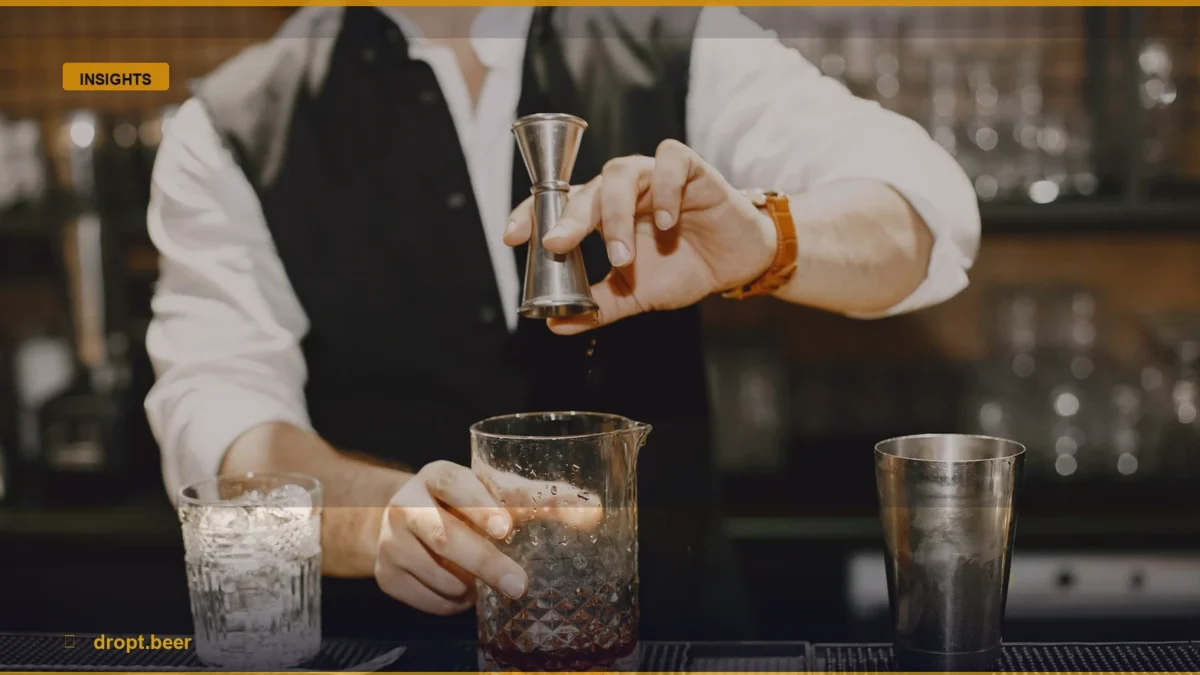
When you’re standing on the street corner at 10:00 PM, trying to decide where to go, look for the ‘tells.’ Is the bartender using fresh citrus? Are they measuring every single pour with a jigger? If the answer is no, keep walking. A professional bartender never free-pours when quality is at stake. The best bars in the Latin Quarter are the ones where the service is as sharp as the glassware.
Check the ice, too. If they’re using pebble ice, they’re likely doing tiki or high-volume service. If they’re using clear, hand-cut blocks, you’re in a place that cares about dilution and temperature control. These are the details that separate a ‘bar’ from a place that actually understands the culture of drinking. Keep following dropt.beer for more insights into the bars that are actually worth your time and coin in Paris.