The Reality of Fermented Beers
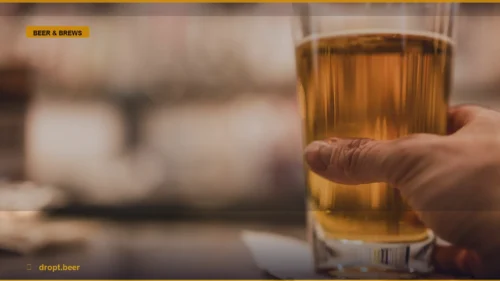
You are standing in a drafty, wood-paneled taproom in Hannover, staring at a pint of dark, malty liquid that seems to have been pulled straight from a century-old cellar. You take a sip, and the complexity hits you—the funk, the acidity, the clean finish. You might ask yourself what makes this special. The truth is simple: all beers are fermented beers. If it lacks fermentation, it is merely sweet grain water, not beer. Understanding this means realizing that every craft brew, from the lightest lager to the heaviest barrel-aged stout, relies on the biological conversion of sugars into alcohol and carbon dioxide by yeast. By the time you finish this glass, you are drinking the result of one of humanity’s oldest and most reliable scientific processes.
Defining the Process
When we talk about fermented beers, we are essentially discussing the metabolic magic of Saccharomyces cerevisiae or Brettanomyces. At its core, the brewing process involves extracting fermentable sugars from malted grains through mashing, boiling this liquid with hops to provide bitterness and preservation, and then introducing yeast. This is where the magic happens. Once the yeast enters the cooled wort, it begins to consume the sugars. Depending on the strain of yeast and the temperature at which it operates, the character of the beer changes dramatically.
Top-fermented beers, or ales, generally ferment at warmer temperatures, producing esters and phenols that provide fruity or spicy notes. Bottom-fermented beers, or lagers, work at cooler temperatures, resulting in a cleaner, crisper flavor profile that highlights the malt and hops. This is the fundamental split in the brewing world. For a deeper look at how traditional methods shaped iconic breweries like the historic German houses that pioneered these techniques, it is helpful to look at how specific yeast strains were isolated and maintained over hundreds of years.
What Most People Get Wrong
The most common misconception regarding fermented beers is the idea that only “sour” or “funky” styles are truly fermented in a meaningful way. Many consumers walk into a bottle shop and assume that a clean, crisp pilsner is somehow less “fermented” or more artificial than a wild-fermented saison. This is categorically false. The level of fermentation is often higher in a dry, crisp lager than in a sweet, heavy imperial stout, as the yeast in the pilsner has done a more thorough job of consuming the available sugars.
Another error is the belief that spontaneous fermentation is always better or more “authentic” than controlled fermentation. While wild-fermented beers like lambics are marvels of microbiology and environmental interaction, controlled fermentation is what allows for the consistency and safety that built the modern beer industry. A brewer who uses a pitch of pure, lab-grown yeast is not taking a shortcut; they are ensuring that the specific profile they designed makes it to your glass without the interference of unwanted wild bacteria that could turn the batch into vinegar.
Styles and Varieties of Fermentation
The variety within the world of fermented beers is nearly infinite because it is limited only by the brewer’s imagination and the biological limits of the yeast. We can categorize them by their fermentation environment. Spontaneous fermentation, for instance, occurs when the brewer leaves the wort open to the air, allowing local wild yeasts and bacteria to inoculate the liquid. This is the hallmark of the Pajottenland region in Belgium, where local microflora create beers with intense acidity and complex “barnyard” aromas.
On the other end of the spectrum, we have controlled fermentation using specific, cultivated yeast strains. Within this category, we see the rise of hybrid styles. Kolsch, for example, is fermented with an ale yeast but then conditioned at cold, lager-like temperatures. This creates a bridge between the fruity esters of an ale and the crisp, clean finish of a lager. Understanding these nuances allows you to better predict what you will enjoy, whether you are looking for the clean precision of a helles or the aggressive, fruit-forward notes of a modern New England IPA, which is often fermented with yeast strains chosen specifically for their ability to biotransform hop oils into new flavor compounds.
What to Look For When Buying
When you are shopping for fermented beers, the most important indicator of quality is the date of packaging. Because fermentation produces carbonation, the beer continues to evolve even after it is bottled or canned. While some styles—like high-alcohol stouts or strong Belgian ales—benefit from bottle conditioning, where a small amount of sugar and yeast is added just before packaging to create natural carbonation, most hop-forward beers suffer from age. If you are buying an IPA, look for the freshest date possible.
Another factor is the storage environment. Yeast is sensitive to heat and light. If you see beer sitting on a warm shelf under bright fluorescent lights, the chemical reactions inside the bottle have likely been accelerated in a way that ruins the flavor. If you find a store that treats their stock with respect, it is usually a sign that they care about the integrity of the fermented product. If you are running a business and need to ensure your product is reaching consumers in the best condition, consider consulting with a professional expert in the alcohol sector to refine your distribution and marketing.
The Verdict: Which Fermented Beers Reign Supreme?
If you are looking for a definitive answer on what to drink, the verdict depends on your goal for the experience. If your goal is pure, unadulterated refreshment, choose a German-style Helles lager. It is the ultimate test of a brewer’s skill because there is nowhere for flaws to hide; it is the cleanest expression of yeast, water, malt, and hops. However, if your goal is an intellectual experience, seek out a traditional Gueuze. It represents the pinnacle of complex, wild fermentation, offering a profile that shifts as the beer warms in the glass.
Do not be fooled by the marketing hype surrounding “extreme” fermentation techniques. The best beers are those where the yeast, the ingredients, and the brewer’s intent are perfectly aligned. Whether you prefer the crisp clean snap of a bottom-fermented lager or the complex, acidic depth of an open-fermented wild ale, you are participating in a tradition that spans millennia. Always prioritize freshness, seek out styles that challenge your palate, and remember that every pint you pick up is a living testament to the power of yeast. Enjoying the diversity of fermented beers is the best way to develop a deeper connection with the liquid in your glass.