Introduction: Level Up Your Palate, Gentlemen!
Alright, fellas, let’s talk wine. For too long, wine has been unfairly pigeonholed as some dainty, sophisticated beverage reserved for fancy dinner parties and whispered conversations. The truth? Wine is for everyone, including us dudes. It’s complex, rewarding, and opens up a whole new world of flavor. But let’s be honest, stepping into the world of wine can be intimidating. There’s a lot to learn, and it’s easy to make mistakes that can lead to a less-than-stellar experience. That’s why I’m here – to guide you through the potential pitfalls and help you become a confident, knowledgeable wine drinker.
Consider this your cheat sheet to navigating the sometimes-pretentious world of wine. We’re going to explore the seven deadly sins of wine appreciation, those common blunders that can prevent you from truly enjoying and understanding what’s in your glass. Avoid these mistakes, and you’ll be well on your way to becoming a true wine aficionado. Maybe you can even pair it with some amazing Australian snacks from The Australian Store for a unique experience!
Sin #1: The Temperature Trauma
Serving wine at the wrong temperature is a crime against viniculture! This is one of the most common mistakes, and it drastically impacts the taste. Think of it like this: you wouldn’t drink a beer that’s been sitting in the sun, would you? Wine is the same. Too warm, and the alcohol overpowers the subtle flavors. Too cold, and those flavors get muted and disappear. Serving temperature is crucial.
- Red Wine: Aim for 60-65°F (15-18°C). A good rule of thumb is to chill it slightly before serving if it feels room temperature.
- White Wine: 45-55°F (7-13°C) is the sweet spot. This usually means a stint in the fridge.
- Sparkling Wine: Even colder, around 40-50°F (4-10°C). You want that fizz to be crisp and refreshing.
Invest in a wine thermometer. They’re cheap and will save you from a lot of disappointment. Trust me, your taste buds will thank you.
Sin #2: The Glassware Gaffe
Drinking a fine wine from a juice glass is like wearing sneakers with a tuxedo. It just doesn’t work. The shape of the glass significantly impacts how you perceive the aroma and taste of the wine. Different glass shapes are designed to enhance different styles of wine.
- Red Wine Glasses: Typically have a larger bowl to allow the wine to breathe and release its aromas.
- White Wine Glasses: Usually have a smaller bowl to keep the wine cooler and focus the delicate aromas.
- Sparkling Wine Glasses: Flutes are designed to preserve the bubbles and showcase the wine’s effervescence.
You don’t need a cabinet full of fancy glassware, but investing in a decent set of red and white wine glasses will make a world of difference. Trust me; it’s a game-changer.
Sin #3: The Impatient Pour
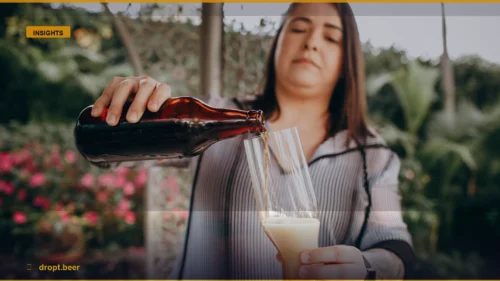
Don’t just glug the wine into the glass like you’re filling a water bottle. Pouring wine correctly is an art, and it’s essential for maximizing your enjoyment. Over-pouring is a common mistake, especially when you’re eager to dive in.
- The Right Amount: Aim for about one-third full. This allows the wine to breathe and release its aromas.
- The Gentle Pour: Pour slowly and steadily to avoid splashing and creating excessive bubbles (especially with sparkling wine).
- The Observation: Take a moment to observe the wine’s color and clarity before you start swirling.
Pouring correctly is a sign of respect for the wine and a way to enhance your overall tasting experience.
Sin #4: The Swirling Slip-Up
Swirling isn’t just for show; it’s a crucial step in releasing the wine’s aromas. But there’s a right way and a wrong way to swirl. The goal is to aerate the wine, not create a whirlpool that ends up on your shirt.
- The Gentle Whirl: Hold the glass by the stem and gently swirl the wine in a circular motion.
- The Visual Cue: Watch as the wine coats the sides of the glass. This is where the aromas are released.
- The Sniff Test: After swirling, take a moment to inhale deeply and appreciate the wine’s bouquet.
Practice your swirling technique until it becomes second nature. It’s a skill that will impress your friends and enhance your appreciation of wine.
Sin #5: The Food Pairing Fumble
Wine and food pairing can be a tricky subject, but it’s also one of the most rewarding aspects of wine appreciation. The wrong pairing can ruin both the wine and the food. The right pairing, however, can elevate the entire experience.
- The Basics: As a general rule, pair light-bodied wines with light dishes and full-bodied wines with rich dishes.
- The Acidity Factor: Acidic wines pair well with fatty foods, as the acidity cuts through the richness.
- The Sweetness Spectrum: Sweet wines pair well with spicy foods or desserts.
Don’t be afraid to experiment and try different pairings. There are tons of resources online and in books that can help you learn the basics. And don’t forget, there are some great beer and wine alternatives out there such as DROPT!
Sin #6: The Snobbish Syndrome
Wine snobbery is a real thing, and it’s one of the biggest turnoffs for newcomers. Don’t let the fear of saying the wrong thing or not knowing enough intimidate you. Wine is meant to be enjoyed, not dissected with a microscope.
- Be Humble: Acknowledge that you’re still learning and be open to new experiences.
- Ask Questions: Don’t be afraid to ask questions at wine shops or restaurants. Most people are happy to share their knowledge.
- Focus on Enjoyment: Ultimately, the most important thing is that you enjoy the wine. Don’t worry about what other people think.
Remember, everyone starts somewhere. Embrace the learning process and don’t let snobbery get in the way of your enjoyment.
Sin #7: The Storage Slip-Up
Proper wine storage is essential for preserving its quality. Leaving a bottle of wine on the counter for weeks or months can lead to oxidation and a loss of flavor. Even short-term storage can impact the wine if it’s not done correctly.
- The Cool Factor: Store wine in a cool, dark place away from direct sunlight and temperature fluctuations.
- The Horizontal Hold: Store bottles horizontally to keep the cork moist and prevent it from drying out.
- The Short-Term Solution: If you don’t have a wine cellar, a cool, dark closet or cabinet will do the trick.
Investing in a wine fridge is a great option if you’re serious about wine. But even simple storage solutions can make a big difference in preserving the quality of your wine.
Quick Comparison Table
| Mistake | Why it Matters | Solution |
|---|---|---|
| Wrong Temperature | Mutes flavors, alcohol overpowers | Use a wine thermometer, chill accordingly |
| Incorrect Glassware | Impacts aroma and taste perception | Invest in red and white wine glasses |
| Impatient Pour | Limits aeration and aroma release | Pour one-third full, pour gently |
| Poor Swirling Technique | Doesn’t release aromas effectively | Swirl gently, watch for wine coating the glass |
| Bad Food Pairing | Ruins both the wine and the food | Pair light with light, consider acidity and sweetness |
| Wine Snobbery | Intimidates newcomers, ruins enjoyment | Be humble, ask questions, focus on enjoyment |
| Improper Storage | Leads to oxidation and loss of flavor | Store in a cool, dark place, horizontally |
Conclusion: Embrace the Journey, My Friends!
So, there you have it – the seven deadly sins of wine appreciation. By avoiding these common mistakes, you’ll be well on your way to becoming a confident, knowledgeable, and most importantly, happy wine drinker. Remember, wine is about exploration and enjoyment. Don’t be afraid to experiment, try new things, and discover what you like. The world of wine is vast and fascinating, and there’s always something new to learn. So, grab a bottle, gather your friends, and embark on your own wine adventure. Cheers!
FAQ Section
Q1: What’s the best way to quickly chill a bottle of white wine?
Wrap the bottle in a wet paper towel and place it in the freezer for about 20-30 minutes. Just don’t forget about it, or you’ll have a wine popsicle!
Q2: I don’t have fancy wine glasses. Can I still enjoy wine?
Absolutely! While proper glassware enhances the experience, it’s not essential. Use the best glasses you have available and focus on enjoying the wine itself.
Q3: How do I know if a wine has gone bad?
Look for signs like a brownish color, a vinegary or musty smell, or a loss of fruit flavors. If it smells or tastes off, it’s probably best to discard it.