Quick Answer
A standard glass of wine is exactly five fluid ounces with an ABV of 12 percent. Anything more—especially in oversized modern glassware—means you’re drinking more than one serving.
- Use a jigger or etched glassware to measure your pours at home.
- Treat one 750ml bottle as exactly five standard drinks.
- Stop the habit of ‘topping off’ to maintain accurate intake tracking.
Editor’s Note — James Whitfield, Managing Editor:
Most drinkers are functionally illiterate when it comes to volume, and I’m convinced this is why so many nights ‘out for a glass’ turn into a headache the next morning. I firmly believe that if you aren’t measuring your pour, you aren’t actually drinking; you’re just guessing. What most people miss is that your glassware is actively lying to you about how much you’ve consumed. I tasked Maya Patel with this piece because her background in hospitality ensures she understands the balance between enjoyment and precision. Stop trusting your eye—start using a measure tonight.
The Illusion of the Pour
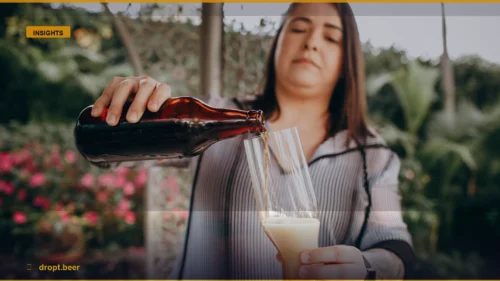
The stem of the glass feels cool against your palm, and the weight of the crystal suggests a certain level of sophistication. You tilt the bottle, a slow, viscous glug filling the bowl until it reaches that familiar, elegant point—just below the widest part of the glass. It looks perfect. It feels right. But if you’re at home or in a bar using modern, oversized stemware, that ‘perfect’ pour is likely double what you think it is.
The truth is that our eyes are terrible at measuring volume, especially when the vessel holding the liquid is designed for aesthetics rather than science. We rely on visual cues that have no basis in health or logic. If you want to drink thoughtfully, you have to stop trusting your intuition and start trusting the math. A standard glass of wine isn’t a subjective measurement based on the size of your glass; it’s a hard, five-ounce limit that keeps your consumption in check.
Why Five Ounces is the Only Metric That Matters
According to the National Institute on Alcohol Abuse and Alcoholism, a standard drink contains about 14 grams of pure alcohol. This equates to five ounces of wine at 12 percent ABV. When you drift beyond that five-ounce mark, you aren’t just having ‘a glass’ anymore. You are shifting the entire physiological impact of your evening.
The biggest issue is the creep of glassware. The BJCP guidelines and various WSET standards emphasize that wine is meant to breathe, leading to the creation of massive, balloon-shaped glasses that can hold up to 24 ounces. If you fill one of those to the ‘aesthetic’ point, you’re looking at a pour that could easily hit nine or ten ounces. That’s not one drink. That’s nearly an entire half-bottle masquerading as a single serving. When you ignore the five-ounce rule, you lose the ability to track your intake accurately, turning a moderate habit into an accidental excess.
The ABV Trap
Not all five-ounce pours are created equal. You might think that a dry Riesling and a high-octane Shiraz are the same thing because they both come in a five-ounce glass, but the alcohol content tells a different story. If your Riesling sits at 10 percent ABV and your Shiraz hits 15 percent, you’re consuming 50 percent more ethanol with the red.
I’ve watched people justify extra-large pours because the wine is ‘lighter’ in color or style. That logic is flawed. The label on the bottle is the only source of truth you have. If you’re opening a bottle with a high ABV, you should be even more disciplined about your pour size. If you want to keep your wits about you, use a jigger. It sounds clinical, but it’s the best way to ensure that a Tuesday night glass doesn’t turn into a hazy Wednesday morning.
Stopping the ‘Top-Off’
The most dangerous habit in any drinking culture is the constant top-off. We do it out of hospitality—never wanting a guest’s glass to sit empty—but it’s the enemy of mindful drinking. When you keep adding a splash here and there, you lose the ability to account for how much you’ve actually consumed.
Think about it: a standard 750ml bottle holds roughly 25 ounces. That is exactly five standard drinks. If you and your partner share that bottle over a long dinner, you should be able to count exactly two-and-a-half drinks each. If you’re topping off every time the level dips, you’ll never know if you’re on your second glass or your fourth. Stop the top-offs. Let the glass go dry. It gives you a moment to pause, reflect on the flavor, and decide if you actually want another, or if you’re just drinking out of habit.
Take Control of Your Glassware
If you’re serious about drinking better, you’ll invest in the right tools. You don’t need a lab, but you do need consistency. I recommend buying glasses that have a smaller capacity or even etched lines indicating the five-ounce mark. It takes the guesswork out of the equation and allows you to enjoy the drink without the internal debate about how much you’ve had.
At the end of the day, wine is a luxury meant to be savored, not a race to the bottom of the bottle. By adhering to the five-ounce standard and keeping a keen eye on the ABV, you become a more deliberate drinker. It’s a simple change that makes a massive difference in how you experience wine at home. Keep your pours measured, your glasses consistent, and your drinking intentional—it’s the hallmark of a true enthusiast here at dropt.beer.
Frequently Asked Questions
How many standard drinks are in a 750ml bottle of wine?
A standard 750ml bottle of wine contains exactly five standard drinks. Each drink is defined as five fluid ounces. If you are sharing a bottle, you and your partner are each having 2.5 drinks.
Does the type of wine change the serving size?
No. While different wines have different ABV levels, the definition of a standard drink remains fixed at five fluid ounces. A higher ABV wine is stronger, but it does not change the fact that five ounces is the baseline for a single serving.
Why does my wine glass look so empty with five ounces?
Modern glassware is often oversized to enhance the aroma of the wine. When you pour only five ounces into a large bowl, it looks small by comparison. This is a visual illusion. Ignore the empty space and focus on the volume, not the look of the glass.
Is it rude to measure wine when hosting?
Not at all. If you use elegant glassware with etched lines or a nice jigger, it looks professional and shows that you care about the quality of the experience. Your guests will appreciate the consistency and the thoughtful approach to hosting.