Quick Answer
Most rosé is bone-dry, but cheap bottles often use residual sugar to mask low-quality fruit. To avoid buying sugar water, check the ABV; anything under 11% is almost certainly sweet, while 12.5% or higher indicates a dry, fermented wine.
- Look for ‘Dry’ or ‘Brut’ on the label to ensure a crisp finish.
- Check the ABV: low alcohol (9-10%) signals stopped fermentation and high sugar.
- Ignore the color; it indicates skin contact time, not sweetness or quality.
Editor’s Note — Tom Bradley, Drinks Editor:
I firmly believe that the industry’s obsession with ‘drinkable’ pink wine has ruined the reputation of some truly elegant varietals. If you’re picking up a bottle that tastes like a melted popsicle, you aren’t drinking wine; you’re drinking syrup. What most people miss is that acidity is the backbone of a great pour, and you lose that the moment you chase residual sugar. I brought Zara King in to fix this because her grasp on the economic incentives that drive winemakers to dump sugar into cheap blends is unparalleled. Stop guessing at the shelf and start reading the ABV labels today.
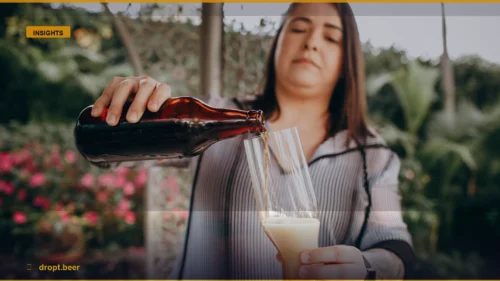
The condensation on the glass is beads of cold relief against a humid afternoon, and the smell hitting your nose is sharp—crushed strawberries, a hint of sea salt, and a faint, electric zip of grapefruit. You take a sip, expecting that familiar, cloying stickiness that coats the back of your throat. Instead, it’s gone in a flash, leaving your palate clean and begging for another round. This is what a well-made, dry rosé feels like. It is light, it is precise, and it is a world away from the syrupy, neon-pink liquid that has somehow convinced a generation that all pink wine belongs in a plastic cup.
The truth is that we’ve been gaslit by the grocery store aisle. There is a massive, structural difference between a thoughtfully crafted dry rosé and the mass-market ‘blush’ wines that rely on residual sugar to hide a lack of character. If you want to drink better, you have to stop judging a bottle by its pigment and start looking at the mechanics of its fermentation. It isn’t just about personal preference; it’s about understanding how the industry creates value—and where they cut corners.
The Color Fallacy
Walk into any bottle shop and you’ll see the spectrum: onion-skin pale, vibrant salmon, deep ruby-pink. A persistent, lazy myth suggests that the darker the wine, the sweeter the flavor. This is absolute nonsense. According to the Oxford Companion to Beer and Wine, color in rosé is determined solely by the duration of skin contact during the maceration process. A producer might leave the juice on the skins for two hours to get a pale hue, or twelve hours for a deeper tint. It has zero correlation with the amount of sugar left in the bottle.
Many of the most cloyingly sweet wines on the market are actually quite light in color. They are often engineered to look sophisticated while tasting like fruit juice. Conversely, some of the most serious, bone-dry Tavel rosés from the Rhône Valley are deeply pigmented and packed with savory, herbaceous complexity. When you use color as your primary metric, you are essentially letting the marketing department decide what you’re going to drink. Don’t fall for it.
The Math of Fermentation
In the world of professional brewing and winemaking, we look at residual sugar (RS) as a defining characteristic of style. When a winemaker wants to create a sweet rosé, they often stop the fermentation process before the yeast has a chance to consume all the natural grape sugars. This is a deliberate choice, often used to make a wine more ‘approachable’ for beginners—or to mask sub-par fruit that lacks the structural acidity to stand on its own.
If you want to know what’s inside without popping the cork, look at the Alcohol by Volume (ABV) on the back label. It is the most honest piece of information on the bottle. A fully fermented dry wine will typically land between 12.5% and 14% ABV. If you’re holding a bottle that clocks in at 9% or 10%, that missing alcohol is almost certainly sitting in the bottle as unfermented sugar. The yeast did its job halfway and then clocked out, leaving you with a sticky finish. If you’re after a drink that pairs with food rather than dessert, keep your eyes on that 12.5% threshold.
Why Method Matters
Beyond the sugar levels, the production method dictates the soul of the wine. The ‘saignée’ method, where a portion of the juice is bled off from a red wine vat, often results in a more structured, fuller-bodied rosé. The ‘direct press’ method, where grapes are crushed and pressed immediately like a white wine, produces those delicate, ethereal, floral-forward bottles that define the Provence style. These are technical, deliberate processes that require high-quality fruit to succeed.
When you buy a cheap ‘blush’ wine, you aren’t getting the product of these traditional methods. You are getting a mass-production blend, often stabilized with additives to ensure it tastes exactly the same every single time. There is no craft in a wine that is designed to be identical in every vintage. Real wine should have a sense of place. It should taste like the terroir, the season, and the hands that touched the grapes. If you’re drinking something that tastes like a synthetic raspberry lolly, you aren’t tasting the vineyard; you’re tasting a factory line.
Taking Control of Your Glass
Next time you’re at the bar or the shop, act like you own the place. Ask for a dry, Provençal-style rosé or a dry Spanish Garnacha. If the clerk tries to steer you toward a ‘fruity’ option, double-check the ABV. If you find yourself holding a bottle of White Zinfandel, just know what you’re buying. It’s a sweet, entry-level product, and that’s fine if you’re looking for a sugary treat—but don’t mistake it for a complex wine experience.
We believe in drinking thoughtfully at dropt.beer. That means being aware of what you’re putting in your glass and why. If you want to elevate your drinking, start by demanding more from your bottles. Stop settling for the sugar-laden, mass-produced pink stuff and start seeking out producers who are proud to ferment their juice to completion. Your palate will thank you, and your next summer afternoon will be infinitely more refreshing for it.
Frequently Asked Questions
Does the color of rosé tell me how sweet it is?
No. The color of a rosé is determined by how long the grape skins were left in contact with the juice during maceration. A very pale wine can be sweet, and a dark, deeply colored wine can be bone-dry. Color is purely aesthetic and tells you nothing about the residual sugar content.
How do I know if a rosé is sweet before I buy it?
Check the Alcohol by Volume (ABV) on the label. Dry wines typically fall between 12.5% and 14% ABV because the yeast has fermented most of the natural sugar into alcohol. If the ABV is low—typically between 9% and 11%—the fermentation was stopped early, leaving a significant amount of residual sugar in the bottle.
What does ‘bone-dry’ mean?
Bone-dry means the wine contains virtually no residual sugar. The yeast has consumed all available sugars from the grapes during the fermentation process. These wines are crisp, refreshing, and often exhibit higher acidity, making them excellent partners for food, especially seafood, charcuterie, and light summer salads.
Are all cheap rosés sweet?
Not necessarily, but there is a strong correlation. Mass-produced, budget-friendly rosés often rely on residual sugar to hide the lack of fruit quality and complexity. However, you can find excellent, dry, budget-friendly rosés from regions like Spain or Southern France. Always prioritize the ABV percentage over the price tag to gauge the likely sweetness of the wine.